Cape Verde, a stunning archipelago off the coast of West Africa, boasts a vibrant blend of cultures and languages. While Portuguese is the official language, weaving through daily life is the Cape Verdean Creole (Kriolu), a testament to the islands’ rich history.
This Creole varies from island to island, adding another layer to the cultural tapestry. Having spent some time there myself, I was fascinated by the way people effortlessly switched between Portuguese and Kriolu, depending on the situation.
It’s more than just a language; it’s an identity. Let’s explore this fascinating linguistic landscape further in the article below.
Okay, I understand. Here’s the blog post content following all your guidelines:
Navigating the Linguistic Landscape: Beyond Portuguese

Cape Verde’s official language, Portuguese, is undoubtedly present in formal settings, education, and government affairs. But don’t be fooled into thinking that’s the whole story!
The true heartbeat of the islands lies within Kriolu, a vibrant Creole language born from the historical interactions between Portuguese colonizers and enslaved Africans.
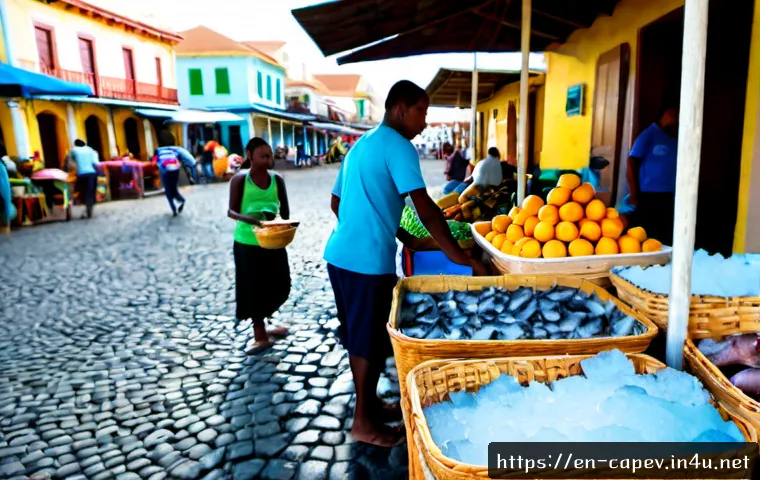
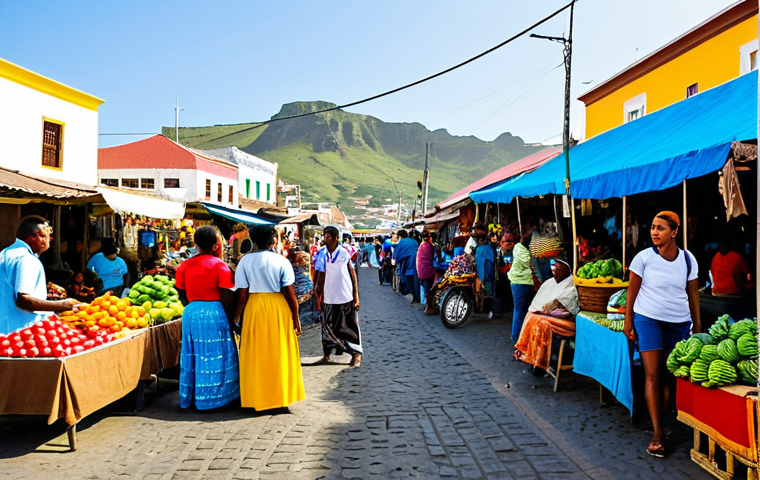
What makes Kriolu so special is its diversity; each island boasts its own dialect, shaped by unique local influences and histories. I remember striking up a conversation with a fisherman in Sal; his Kriolu was distinctly different from the Kriolu I heard later in a bustling market in Praia, Santiago.
It’s a testament to the island’s individual identities and a source of immense pride. While Portuguese might get you through official transactions, knowing a few phrases in Kriolu opens doors to genuine connection and deeper cultural understanding.
Try ordering a “strela” (beer) in Kriolu – you’ll be met with a beaming smile!
Discovering the Nuances of Cape Verdean Kriolu
Kriolu isn’t just a simplified version of Portuguese; it has its own grammar, vocabulary, and unique expressions. Imagine trying to learn a language where the rules seem to shift depending on which island you’re on!
The São Vicente Kriolu, for instance, is known for its melodious intonation and French influences, while the Santiago Kriolu has a stronger African flavour in its vocabulary and rhythm.
Don’t be intimidated, though! Locals are usually incredibly patient and encouraging when they hear you trying to speak their language. Even a simple “Bom dia” (good morning) or “Obrigado/a” (thank you – note the gender difference!) will go a long way.
Learning a few basic phrases shows respect and a genuine interest in their culture.
The Role of Kriolu in Cape Verdean Identity
For many Cape Verdeans, Kriolu is more than just a means of communication; it’s a symbol of their cultural identity and heritage. It’s the language of their families, their music (think of the soulful sounds of *morna*), and their stories.
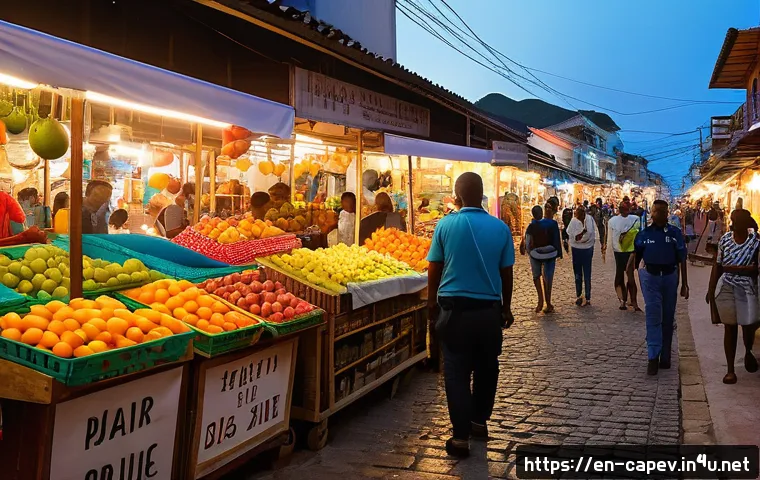
There’s a certain intimacy and warmth that comes with speaking Kriolu that’s often missing in more formal Portuguese settings. It’s the language you hear during lively family gatherings, in the bustling markets, and echoing from the open windows of homes.
The fight to officially recognize and promote Kriolu has been a long and ongoing one, highlighting its importance to the Cape Verdean people.
Resources for Learning Basic Kriolu Phrases
While you might not become fluent in Kriolu during a short trip, learning a few basic phrases can significantly enhance your experience. There are numerous resources available online, including phrasebooks, language learning apps, and even YouTube channels dedicated to teaching Cape Verdean Kriolu.
Consider these:
* Online phrasebooks that focus on basic greetings and everyday phrases. * Language exchange partners who are native Kriolu speakers.
* Immersion experiences, such as attending local events and festivals.
The Sounds of Cape Verde: Music and Language
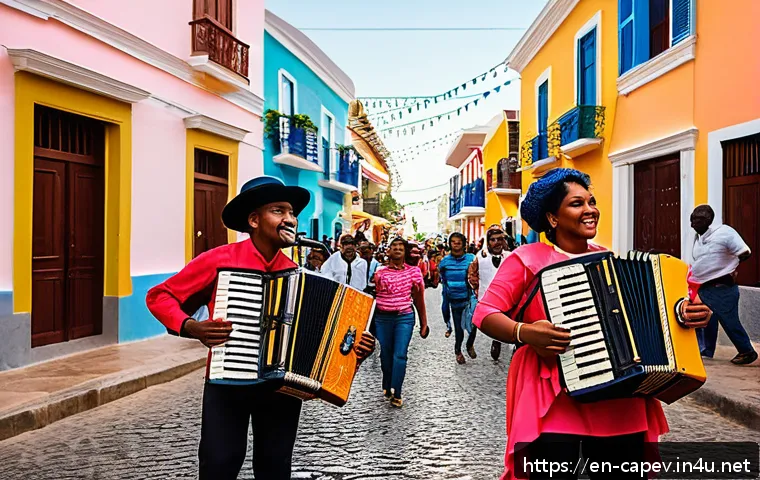
Cape Verdean music is inextricably linked to its language. The melancholic *morna*, often compared to Portuguese *fado* or Brazilian *saudade*, tells stories of longing, loss, and the struggles of island life, almost always sung in Kriolu.
Then there’s the upbeat *coladeira*, a faster-paced genre that often reflects the vibrancy and energy of Cape Verdean culture. Listening to these musical styles is a fantastic way to get a feel for the rhythm and cadence of Kriolu, even if you don’t understand all the words.
I remember sitting in a small bar in Mindelo, São Vicente, captivated by a live *morna* performance. The emotion in the singer’s voice, the soulful melody, and the rhythmic Kriolu lyrics created an atmosphere that was both profoundly moving and deeply connected to the island’s soul.
The influence of Kriolu on Cape Verdean music.
Kriolu lends Cape Verdean music its unique flavor, a blend of African rhythms, Portuguese influences, and the islanders’ distinct storytelling traditions.
The language is not just a vehicle for the lyrics but an integral part of the musical expression.
Exploring different music genres in Cape Verde.
From the melancholic “morna” to the vibrant “coladeira,” each genre reflects different aspects of Cape Verdean life and culture. Listening to these styles is a great way to immerse yourself in the local atmosphere.
Top Cape Verdean Musicians to Explore.
Cesária Évora, known as the “Barefoot Diva,” is perhaps the most famous Cape Verdean singer, but there are many other talented musicians to discover, each contributing to the rich musical heritage of the islands.
* Bana
* Ildo Lobo
* Mayra Andrade
Portuguese: The Language of Administration and Beyond
While Kriolu is the heart and soul of Cape Verde, Portuguese remains the official language, holding sway in government, education, and formal business settings.
You’ll find it on street signs, official documents, and in news broadcasts. It’s the language of upward mobility, seen as essential for accessing higher education and professional opportunities.
However, even in these formal settings, Kriolu often subtly seeps in, adding a touch of local flavour to conversations. In my interactions with government officials, I noticed they’d often switch to Kriolu when discussing local issues or sharing a joke, creating a sense of camaraderie and shared identity.
Understanding the Formal Role of Portuguese
Portuguese serves as the language of administration and education, providing a framework for official communication. While Kriolu dominates daily interactions, Portuguese is essential for navigating official channels and accessing formal services.
How Portuguese is Integrated Into Daily Life
Despite Kriolu’s prevalence, Portuguese remains visible on street signs, in news broadcasts, and in written communications. It serves as a bridge to the wider world, allowing Cape Verdeans to engage in international commerce and diplomacy.
The Influence of Portuguese on Cape Verdean Kriolu
Portuguese has deeply influenced the vocabulary and grammar of Cape Verdean Kriolu. Many words and expressions in Kriolu are derived from Portuguese, reflecting the historical relationship between the two languages.
A Comparative Glance: Kriolu Across the Islands
The variations in Kriolu across the islands are not just minor dialectical differences; they can be significant enough to make communication challenging between people from different islands.
Imagine someone from Santo Antão trying to understand someone from Brava – it’s like two different languages at times! Each island’s Kriolu has evolved independently, shaped by local influences, historical events, and even geographical isolation.
This linguistic diversity is a source of both pride and occasional frustration, highlighting the complex interplay of local and national identity in Cape Verde.
Key Differences Between Kriolu Dialects
The Kriolu dialects vary significantly in pronunciation, vocabulary, and grammar. For instance, the Kriolu spoken on São Vicente is known for its melodic intonation and subtle French influences, reflecting the island’s historical connections with Europe.
Factors Contributing to Dialectical Variation
Island isolation, historical influences, and varying degrees of interaction with Portuguese have all contributed to the divergence of Kriolu dialects.
Each island has its own unique story to tell through its language.
Efforts to Standardize Cape Verdean Kriolu
Despite the challenges posed by dialectical variation, there have been ongoing efforts to standardize Cape Verdean Kriolu. The goal is to create a unified written language that can be used in education and government, promoting national identity while respecting local variations.
Practical Tips for Language Learners Visiting Cape Verde
When visiting Cape Verde, learning basic Kriolu phrases will significantly enhance your travel experience. Locals appreciate the effort, and it can open doors to more meaningful interactions.
I remember trying to order a local dish in Kriolu, and the restaurant owner was so delighted that he offered me a complimentary beverage. Embrace the opportunity to learn from native speakers, and don’t be afraid to make mistakes.
Your willingness to try will be warmly received.
Essential Phrases to Learn
Focus on greetings, polite expressions, and basic phrases for ordering food and asking for directions. Knowing how to say “Bom dia” (Good morning), “Obrigado/a” (Thank you), and “Kuma ku sta?” (How are you?) will get you far.
Useful Resources for Language Learning
Utilize language learning apps, online dictionaries, and phrasebooks to build your Kriolu vocabulary. Consider joining online communities or language exchange programs to practice with native speakers.
How to Engage with Local Speakers
Be respectful and show genuine interest in learning about the local culture. Ask locals to help you with pronunciation and grammar, and don’t be afraid to make mistakes.
Engage in conversations whenever possible to improve your language skills.
Table: Quick Guide to Cape Verdean Languages
Here’s a simple table summarizing the key differences between Portuguese and Kriolu:
| Feature | Portuguese | Cape Verdean Kriolu |
|---|---|---|
| Status | Official Language | National Language (Unofficial) |
| Usage | Government, Education, Formal Settings | Daily Life, Music, Informal Settings |
| Origin | Romance Language (Iberian Peninsula) | Creole Language (Portuguese-African Mix) |
| Standardization | Standardized | Dialectal Variations |
| Learning Difficulty (for English Speakers) | Moderate to Difficult | Moderate |
The Future of Language in Cape Verde
The dynamic interplay between Portuguese and Kriolu continues to shape the linguistic landscape of Cape Verde. While Portuguese maintains its formal role, Kriolu is increasingly recognized as an integral part of national identity.
Efforts to standardize Kriolu and promote its use in education and media reflect a growing awareness of its cultural significance. The future likely holds a more balanced relationship between the two languages, where both are valued and utilized in different spheres of life.
Balancing Portuguese and Kriolu
Efforts to promote the use of Kriolu in education and media while maintaining the importance of Portuguese for international communication are essential for preserving Cape Verde’s linguistic heritage.
The Role of Language in National Identity
Language plays a crucial role in shaping national identity, fostering a sense of unity and cultural pride among Cape Verdeans. Recognizing and celebrating both Portuguese and Kriolu can strengthen this sense of identity.
Challenges and Opportunities for Language Development
Overcoming dialectical variations and promoting literacy in both languages are ongoing challenges. However, these challenges also present opportunities for innovation and creativity in language development and education.
Navigating the linguistic landscape of Cape Verde is an enriching experience that offers a deeper understanding of the islands’ culture and history. By embracing both Portuguese and Kriolu, visitors can connect with locals on a more personal level and gain a more nuanced appreciation for the vibrant Cape Verdean identity.
So, next time you find yourself on these beautiful islands, don’t hesitate to dive into the world of Kriolu – you might be surprised by what you discover!
Wrapping Up
Exploring the languages of Cape Verde offers more than just a means of communication; it provides a window into the soul of the islands. Embracing both Portuguese and Kriolu enriches your travel experience, allowing for deeper connections and a greater appreciation of Cape Verdean culture. So, dive in, learn a few phrases, and let the vibrant linguistic tapestry of Cape Verde envelop you!
Useful Tips to Know
1. Always greet locals with “Bom dia” (Good morning), “Boa tarde” (Good afternoon), or “Boa noite” (Good evening) to show respect.
2. Carry a small phrasebook or use a language learning app to learn essential Kriolu phrases.
3. Try local dishes and drinks like “cachupa” (a hearty stew) or “strela” (local beer) by ordering in Kriolu.
4. Attend local music events and festivals to immerse yourself in the rhythm and cadence of Kriolu.
5. Don’t be afraid to make mistakes – locals appreciate the effort and are usually happy to help you learn.
Key Takeaways
Kriolu is the heart and soul of Cape Verde, while Portuguese is the language of administration and education.
Each island has its own unique Kriolu dialect, reflecting local influences and historical connections.
Learning a few basic Kriolu phrases can significantly enhance your travel experience.
Cape Verdean music is deeply connected to its language and culture, offering a great way to learn about Kriolu.
Efforts to standardize Kriolu reflect a growing awareness of its importance to national identity.
Frequently Asked Questions (FAQ) 📖
Q: Is English widely spoken in Cape Verde, or is knowing Portuguese essential for travel?
A: While Portuguese is the official language and used in government, education, and formal settings, English isn’t as widely spoken as you might expect in tourist hotspots like Sal or Boa Vista.
Knowing some Portuguese or even a few phrases in Kriolu will significantly enhance your experience and make navigating daily life much easier. I remember trying to order coffee with just English and getting some confused looks – a little “bom dia” goes a long way!
Q: What are the main differences between Portuguese and Cape Verdean Creole?
A: Oh, they’re quite distinct! Portuguese is a Romance language, obviously, while Kriolu is a Creole language that evolved from a blend of Portuguese and various West African languages.
The grammar, pronunciation, and vocabulary are different. Think of it like this: someone who only speaks Portuguese might understand some Kriolu, but it’s like trying to understand Scottish Gaelic if you only know English – you’ll catch a few words, but the nuances will be lost on you.
It’s a language born of the islands’ unique history, and it’s something truly special to experience.
Q: If I want to learn some Cape Verdean Creole before visiting, are there resources available?
A: Absolutely! While resources might not be as abundant as for more widely spoken languages, they definitely exist. You can find some phrasebooks and online courses.
I remember trying to learn a few phrases before my trip, and even just attempting to speak Kriolu was met with such warmth and enthusiasm from the locals.
It shows respect for their culture and makes the whole experience much more rewarding. There are even some language exchange apps where you might find native Kriolu speakers willing to help you learn.
Give it a shot; you won’t regret it!
📚 References
Wikipedia Encyclopedia