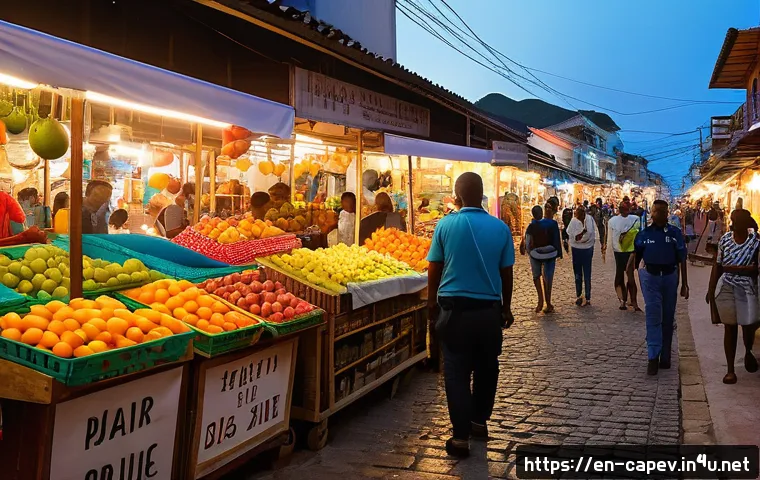
Explore Cabo Verde’s market culture with practical tips on choosing markets, comparing handmade goods and food purchases, using Cape Verdean escudos, negotiating respectfully, and deciding when a local guide or transfer is worth the cost.
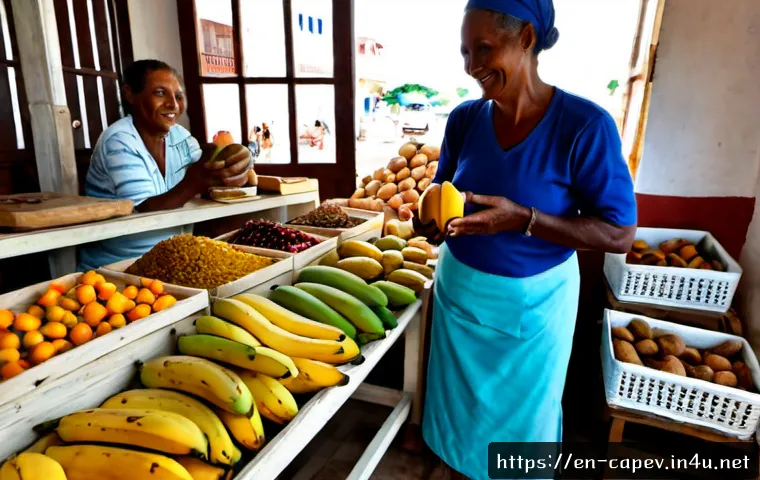
A Cabo Verde market visit is most useful for travelers who want local atmosphere, food supplies for an apartment stay, or compact gifts to bring home.
Go independently when your schedule is flexible and transport is simple; consider a guide or pre-arranged transfer when timing, language support, or island logistics matter more.
Markets are not one-size-fits-all shopping stops. Your best choice depends on whether you need groceries, crafts, photographs, or a cultural experience.
Plan your spending around transport, cash access, luggage space, and the type of items you can realistically use or carry.
Quick Overview
- Self-guided market visits suit travelers with time, basic transport confidence, and a clear shopping list.
- Guided market walks can add local context and reduce planning effort when cultural insight is a priority.
- Private transfers can be practical when your accommodation, schedule, purchases, or group size make transport coordination harder.
| Visit Option | Best For | What to Compare Before Choosing |
|---|---|---|
| Self-guided visit | Independent travelers, simple grocery shopping, flexible itineraries | Market location, current opening details, local transport access, cash needs |
| Guided market walk | First-time visitors seeking conversation, context, and help navigating choices | Group size, language support, itinerary length, what is included |
| Private transfer | Families, small groups, short stays, or travelers carrying purchases | Route, waiting time, vehicle space, pickup point, return arrangement |
What to Expect From a Cabo Verde Market Visit
Quick Answer: Markets Are Best for Local Atmosphere, Food Supplies, and Practical Souvenirs
A market can be a useful stop when you want to see everyday shopping alongside visitor-oriented items. For many travelers, the strongest reasons to go are local food shopping, browsing small gifts, and adding a less scripted activity to an itinerary. It is also a sensible place to test what you actually want to buy before committing to a larger souvenir elsewhere.
Think of a market visit as an experience with a shopping purpose, not a guaranteed source of one specific item. Vendor selection can vary, and claims about an item’s origin, materials, or handmade status should be checked directly with the seller. Ask simple questions, look closely at the item, and do not feel pressured to buy quickly.
Set Realistic Expectations for Selection, Pacing, and Payment Options
Exact market hours, vendor availability, and busy periods may change by island, season, holidays, and weather. Confirm current details locally through your accommodation, a tourism contact, or a transport provider before making the market the only plan for a day.
Payment choices should also be treated as a local check, not an assumption. Carry Cape Verdean escudos if possible, but ask before relying on cards or euros. A small amount of cash, separated from your main funds, can make small purchases easier while helping you control impulse spending.
Choose the Right Market for Food, Crafts, or Cultural Experience
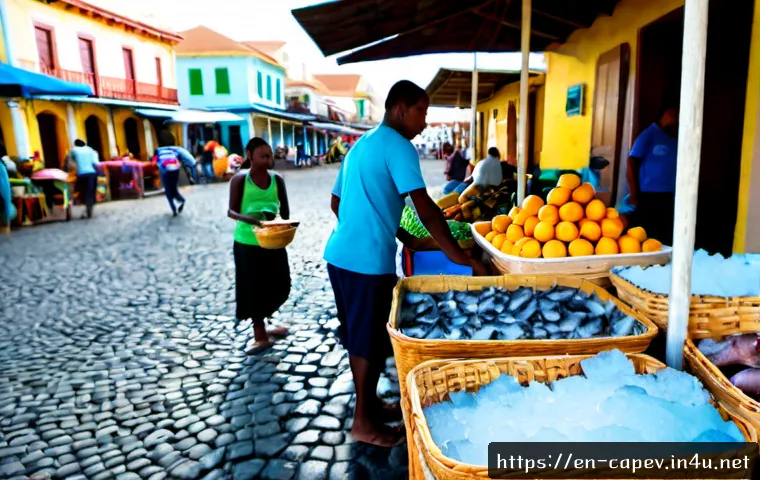
Markets for Self-Catering Travelers and Local Ingredients
If you are staying in an apartment, villa, or room with cooking facilities, start with a practical list: ingredients for one or two meals, fruit or snacks you can use promptly, and drinks or basics that are easy to carry. This keeps the visit useful rather than turning it into a shopping challenge.
Before purchasing food, consider storage, preparation, and food safety. Ask yourself whether your accommodation has refrigeration, whether you have the tools to prepare the item, and whether you will consume it soon. Fresh items may be appealing, but they are not always the right choice for a moving itinerary.
Markets for Handmade Gifts, Textiles, and Small Souvenirs
For crafts and souvenirs, compare similar items at more than one stall before deciding. Look at size, finish, packaging, and whether the item will fit safely in your luggage. A small textile, lightweight decorative item, or practical everyday object may be easier to enjoy later than a fragile purchase made on impulse.
If authenticity matters to you, ask vendor-specific questions about materials, maker, origin, and care. Do not assume that every item is locally made or that every food product is locally sourced. Clear answers, careful inspection, and a purchase you can transport comfortably are better decision signals than a rushed claim.
How to Compare Location, Timing, Transport Access, and Shopping Purpose
Choose a market based on what it solves for your trip. A centrally located stop may suit a short stay. A market close to your accommodation may be better for groceries. A visit that requires a long taxi ride may still be worthwhile if it fits a broader sightseeing route, but it should not disrupt the rest of your day without a clear reason.
When comparing accommodation locations, consider how often you expect to shop independently. Staying near everyday services can reduce repeated transport planning. If your lodging is farther away, a scheduled taxi, airport transfer provider, or private driver may be easier to organize than making several separate trips.
Budgeting for Purchases, Transport, and Optional Local Guides
Using Cape Verdean Escudos and Carrying a Sensible Amount of Cash
Use a simple spending plan before you go: set aside money for transport, a small food purchase, one potential souvenir, and a reserve for unexpected needs. Keep your main cash and cards secure, and carry only the amount you are comfortable using during the visit.
Because card acceptance and euro payment practices can differ by seller and location, ask first. If you expect to buy several items, confirm the payment method before choosing them. Receipts may not be available in every situation, so travelers who need documentation should ask before paying.
Self-Guided Visit vs Guided Market Walk vs Private Transfer
A self-guided visit is usually enough when you have time to browse, understand your transport options, and only need straightforward purchases. It gives you the freedom to leave when you are done and compare stalls at your own pace.
A guided market walk may add value if you want local context, help with communication, or a more efficient introduction to unfamiliar ingredients and crafts. A guide should be chosen for the clarity of the itinerary and service details, not because shopping outcomes are guaranteed.
A private transfer can be worth considering when your group has limited time, your accommodation is not conveniently located, or you expect to carry purchases. Compare the pickup arrangement, return timing, vehicle capacity, and whether waiting time is included before booking.
Cost Factors to Compare Before Booking Transport or Tours
Do not compare only the headline price. Consider route length, group size, service level, booking timing, waiting arrangements, and cancellation terms. A low-cost option may be less useful if it does not fit your arrival time, market schedule, or return plan.

For airport transfers, local tours, and travel insurance, read the current terms on the provider’s page before committing. The useful question is not “Is this cheapest?” but “Does this reduce a real planning problem on this itinerary?”
Shop Respectfully and Avoid Common Visitor Mistakes
Ask Before Photographing People or Stalls
Markets are working spaces, not just photo locations. Ask before photographing people, products, or stalls, especially when you want a close image. A polite request and a calm pace help create a better interaction than treating vendors as part of the scenery.
Compare Quality, Size, Packaging, and Portability Before Buying
Take a moment to inspect what you are considering. For souvenirs, check edges, closures, seams, weight, and packaging. For food, check whether you can store it, carry it, and use it within your travel schedule. Portability is part of value, particularly when you have flights or island transfers ahead.
Negotiation expectations should not be assumed. If bargaining seems appropriate, keep it respectful and low-pressure. Ask the price, decide what the item is worth to you, and be prepared to decline politely. Avoid aggressive bargaining over a small difference when the seller has already given a clear answer.
Food-Safety and Luggage Considerations for Edible Purchases
Edible purchases need more planning than they first appear to. Consider freshness, packaging, heat exposure, storage at your accommodation, and any travel restrictions that may apply to your next destination. If you cannot verify how an item should be stored or transported, choose something you can consume locally instead.
Market Tips by Travel Style and Island Itinerary
Short-Stay Visitors With Limited Time
Keep the goal narrow: browse, buy one useful item or a few compact gifts, and leave enough time for transport. A pre-arranged transfer may be helpful if the market visit must fit between a hotel checkout, flight, tour, or ferry-related plan. Confirm current schedules rather than building a tight itinerary around assumptions.
Families and Travelers Staying in Apartments
Prioritize food shopping that matches your kitchen, storage, and meal plan. Families may benefit from a simple list and a spending limit, especially when children are drawn to small souvenir purchases. A taxi or private transfer may be more comfortable when carrying groceries, but compare vehicle space and return arrangements first.
Travelers Seeking Crafts Rather Than Everyday Groceries
Allow time to compare. Visit with a rough idea of luggage space, preferred materials, and the maximum size you can pack. If you are interested in the story behind a craft, a local guide may offer useful context, but still verify maker and material claims directly with the vendor.
Selection Criteria and Comparison Summary
Choose an independent market visit if you have a flexible schedule, know how you will get there and back, and want simple groceries or casual browsing. Consider a guided walk if local context, language support, and a structured introduction matter more than shopping freedom. Consider a private transfer if your island itinerary is tight, your group is carrying purchases, or transport coordination would take attention away from the visit. Check current market details, transport terms, payment options, luggage limits, and cancellation conditions before making a booking. For official details and service conditions, review the relevant provider page before you reserve.
Final Thoughts
A Cabo Verde market visit works best when it has a clear role in your trip: food for your stay, a small gift, a cultural stop, or a practical shopping errand. Keep expectations flexible, especially around hours, selection, and payment methods. A little planning around cash, transport, and luggage can make the experience feel relaxed instead of rushed. Choose the simplest visit option that fits your schedule and shopping goal.
Useful Things to Know
1. Confirm market timing locally because schedules and vendor availability can change.
2. Carry a manageable amount of Cape Verdean escudos and ask about payment before selecting multiple items.
3. Ask before taking photos of people or stalls.
4. Compare similar crafts for quality, size, and packing practicality.
5. Plan food purchases around storage, preparation, and onward travel.
Important Notes
Specific opening hours, market days, prices, card acceptance, bargaining customs, and vendor selection are not fixed and should be confirmed locally. Product origin, authenticity, quality, and food handling require vendor-specific verification. Tour, taxi, and transfer costs vary according to route, group size, booking timing, and service level, so review current terms before booking.
Frequently Asked Questions
Q1. Are Cabo Verde markets worth visiting for first-time travelers?
A1. They can be worthwhile for first-time travelers who want local atmosphere, practical food supplies, or small souvenirs. Keep the visit flexible, confirm current details locally, and choose a market that matches your available time and transport plan.
Q2. Should I use cash at markets in Cabo Verde, and can I pay in euros?
A2. Cape Verdean escudos are the local currency, and carrying a sensible amount of cash can be useful. Do not assume that cards or euros will be accepted; ask the individual vendor before making a purchase.
Q3. Is a guided market tour worth the extra cost compared with visiting independently?
A3. It may be worth it when you value local context, language support, or a more efficient itinerary. An independent visit is often enough if you are comfortable arranging transport, have time to browse, and only need straightforward shopping.