As global interest in cultural diversity continues to grow, Cabo Verde stands out as a fascinating example of rich heritage blending. Nestled off the West African coast, this island nation offers a unique tapestry woven from African roots and Portuguese influences.
Exploring Cabo Verde’s ethnic mosaic reveals stories of resilience, adaptation, and vibrant traditions that shape its identity today. Whether you’re a history enthusiast or a curious traveler, understanding this blend offers deeper insight into the island’s soul.
Join me as we dive into the cultural layers that make Cabo Verde truly one of a kind.
The Melting Pot of Cabo Verdean Identity
Roots That Run Deep: African Heritage
Cabo Verde’s African roots are the heartbeat of its cultural identity. The islands were originally uninhabited before Portuguese explorers arrived in the 15th century, but the African influence came quickly through the transatlantic slave trade and migration patterns.
Today, you can still see this legacy in the music styles like morna and coladeira, the rhythms that echo centuries of storytelling and resilience. African customs around family, spirituality, and community weave seamlessly into everyday life, shaping social interactions and celebrations.
When I visited, I noticed how deeply ingrained these traditions remain despite the islands’ distance from mainland Africa. It’s not just history; it’s a living, breathing part of who Cabo Verdeans are.
Portuguese Threads: Language and Architecture
Portuguese colonial influence is unmistakable in Cabo Verde, especially through language and infrastructure. Portuguese is the official language, and many locals speak it alongside Cape Verdean Creole, a vibrant linguistic blend born from necessity and cultural exchange.
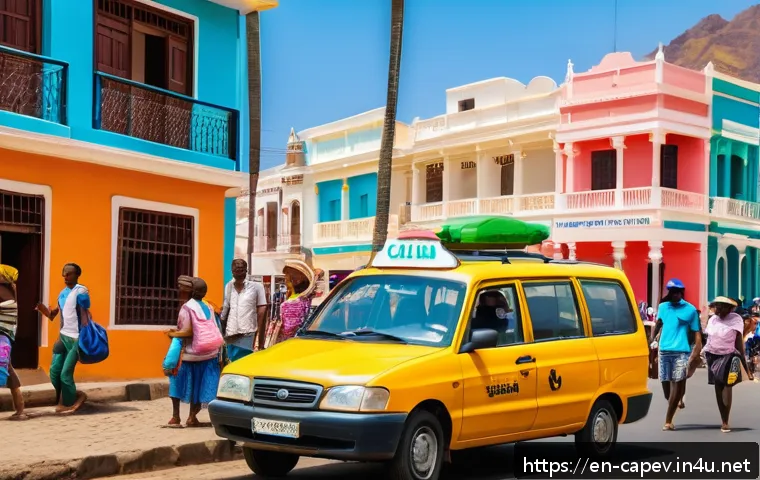
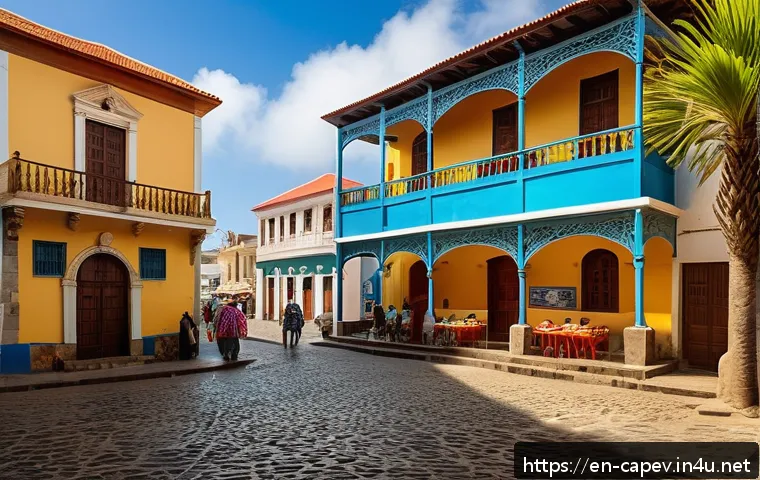
Architecturally, the colonial past is visible in colorful churches, colonial-era forts, and charming town squares. What fascinated me most was how the Portuguese legacy hasn’t erased local identity but rather merged with African roots to create something unique.
This fusion is evident in festivals, culinary traditions, and even everyday social norms, where European and African elements coexist in harmony rather than conflict.
Blending Traditions: The Birth of Cape Verdean Culture
The cultural blend in Cabo Verde is not a simple mix but a complex dance of adaptation and innovation. Over centuries, African and Portuguese influences have combined with indigenous island experiences to form a distinct Cape Verdean culture.
For instance, culinary delights such as cachupa reflect this fusion, combining African ingredients with European cooking methods. Social customs, music, and dance have evolved too, with each generation adding layers to the cultural fabric.
When you spend time on the islands, you witness a society that honors its diverse past while continually evolving, making Cabo Verde a shining example of cultural resilience and creativity.
Island Communities and Their Unique Customs
Island-Specific Traditions
Each of Cabo Verde’s islands boasts its own flavor of cultural identity, shaped by geography, historical influences, and economic activities. Santiago, the largest island, is known for its vibrant festivals and strong African influences, while São Vicente shines as a cultural hub with a rich music scene.
The smaller islands like Fogo and Brava have preserved unique dialects and traditions that can feel like stepping back in time. During my stay, I realized how island pride plays a crucial role in maintaining these customs, with locals eager to share their heritage while welcoming visitors with open arms.
Religious Practices and Festivities
Religion in Cabo Verde is predominantly Catholic, a legacy of Portuguese colonization, but it intertwines with African spiritual traditions, creating unique religious expressions.
Festivities such as the Festa de São João on São Vicente are more than just celebrations; they’re vibrant displays of cultural synthesis. These events often include traditional music, dance, and food, reflecting centuries of cultural exchange and adaptation.
What struck me was the genuine joy and communal spirit during these festivals, where faith and heritage come alive in ways that unite the community across generations.
Social Structure and Family Life
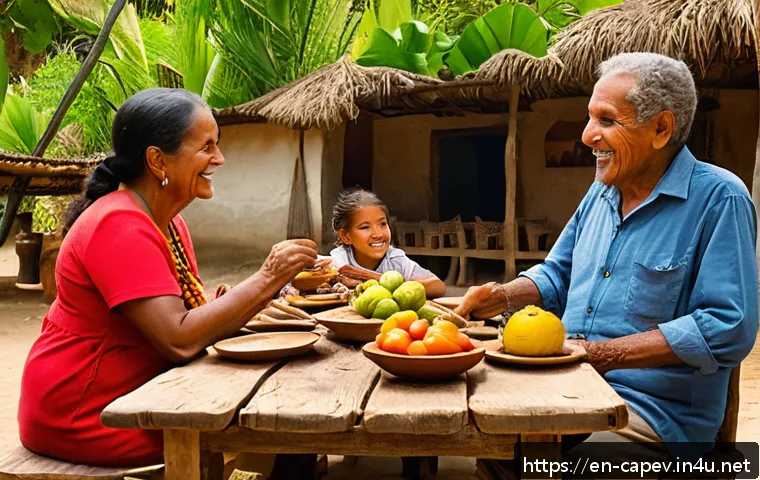
Family and social ties in Cabo Verde are deeply rooted in communal values. Extended family networks are common, and the concept of “community” extends beyond blood relations to include neighbors and friends.
This social fabric has been crucial in supporting islanders through economic hardships and migration waves. I found that respect for elders and collective decision-making remain cornerstones of daily life, with informal gatherings often serving as spaces for storytelling and cultural transmission.
This strong social cohesion helps preserve Cabo Verdean identity even as many islanders move abroad for work or education.
Language: The Living Bridge Between Worlds
Cape Verdean Creole as a Cultural Marker
Cape Verdean Creole is more than just a means of communication—it’s a powerful symbol of identity and resistance. Each island has its own variant, reflecting local history and influences, which adds to the linguistic richness of the nation.
Creole is the language of everyday life, songs, and oral traditions, and it carries the nuances of island culture that standard Portuguese cannot capture.
While official documents and education use Portuguese, Creole connects people to their roots in a deeply personal way. During conversations with locals, I noticed how switching between Portuguese and Creole reflects different social contexts and emotional expressions, highlighting the complexity of Cabo Verdean identity.
The Role of Portuguese in Modern Cabo Verde
Portuguese continues to hold a prestigious place in education, government, and media, serving as a unifying language across the islands. Its influence is evident in formal settings, but it also opens doors internationally, especially within Lusophone countries.
This dual-language dynamic creates a bilingual society where linguistic skills are highly valued. From my perspective, this balance enhances Cabo Verde’s cultural richness, allowing the nation to preserve its heritage while engaging globally.
It’s a reminder that language is not static but evolves with the people who speak it.
Language and Migration Patterns
Migration has significantly impacted language use in Cabo Verde. Many islanders live abroad, particularly in Portugal, the United States, and the Netherlands, creating transnational communities where Creole and Portuguese intermingle with other languages.
This diaspora maintains strong ties to the islands through language, music, and traditions, reinforcing cultural identity despite physical distance. I encountered several Cabo Verdeans abroad who spoke passionately about preserving their linguistic heritage, which strengthens their connection to home and community regardless of where life takes them.
Musical Heritage: The Soul of Cabo Verde
Morna: The Island’s Melancholic Voice
Morna, often described as the soul of Cabo Verde, is a music genre that captures the bittersweet emotions of island life—longing, love, and resilience.
It blends African rhythms with Portuguese fado influences, creating haunting melodies accompanied by guitar and violin. Listening to morna live, I was moved by the emotional depth conveyed through simple yet powerful lyrics, often sung in Creole.
The genre’s most famous ambassador, Cesária Évora, brought global attention to this style, but the tradition remains deeply rooted in local communities, especially in Mindelo and Praia.
Coladeira and Funaná: Dance and Energy
In contrast to morna’s melancholic tone, coladeira and funaná are vibrant, upbeat styles that get people moving. Coladeira mixes African beats with Portuguese melodies, often featuring witty, socially aware lyrics.
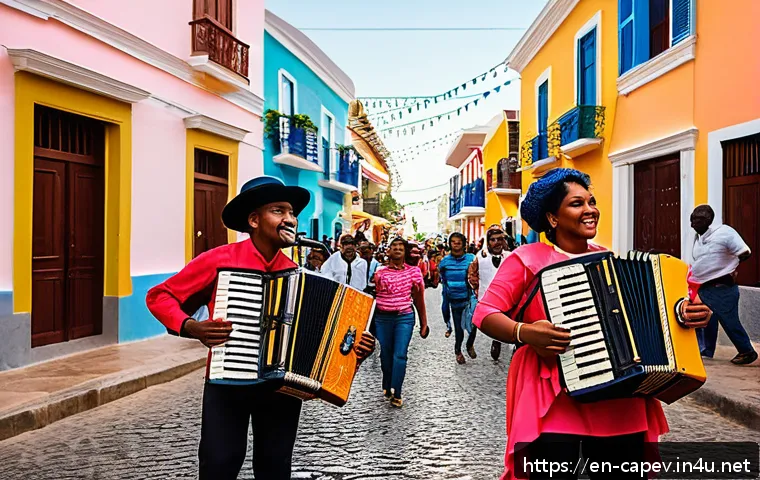
Funaná, originating from Santiago, is characterized by its fast tempo and accordion-driven rhythm. Experiencing these genres during street festivals gave me a firsthand look at how music energizes social gatherings and strengthens cultural bonds.
These musical styles are not only entertainment but also vehicles for storytelling, cultural education, and identity expression.
Music as a Cultural Bridge
Music in Cabo Verde transcends entertainment; it’s a bridge connecting generations and communities. Songs carry history, social commentary, and personal stories, preserving memories and fostering unity.
I noticed that musical education is highly valued, with many families passing down skills and songs to younger members. This continuity helps maintain cultural pride and resilience, especially amid globalization and migration.
Whether in small villages or urban centers, music remains a vital thread in the tapestry of Cabo Verdean life.
Economic Influences on Cultural Preservation
The Role of Tourism in Shaping Cultural Identity
Tourism has become a significant part of Cabo Verde’s economy, bringing both opportunities and challenges for cultural preservation. Visitors are drawn to the islands’ natural beauty and rich heritage, which encourages locals to showcase traditions such as music, dance, and cuisine.
From my conversations with residents, there’s a shared desire to balance welcoming tourists while protecting the authenticity of cultural expressions.
Tourism has also sparked renewed interest among younger generations in their heritage, though commercialization risks diluting traditions if not managed carefully.
Fishing and Agriculture as Cultural Anchors
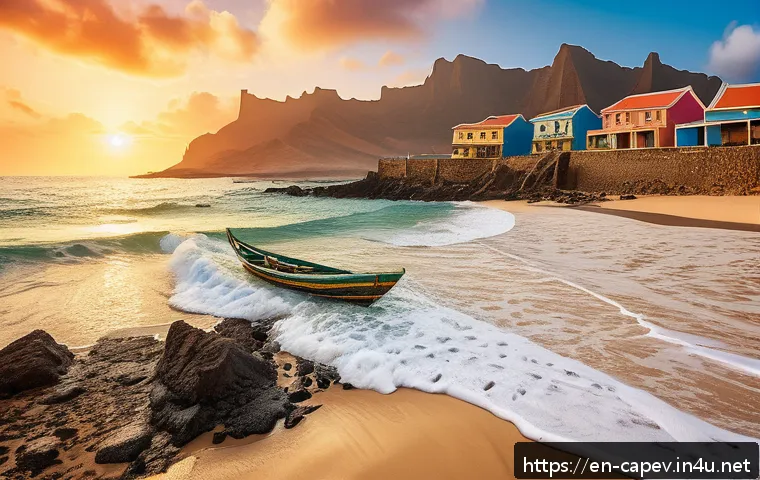
Traditional livelihoods like fishing and agriculture remain central to island life and cultural continuity. These industries shape daily routines, community structures, and seasonal celebrations.
For example, fishing practices carry knowledge passed down through families, and harvest festivals celebrate the cycles of nature with food and music.
I found that these occupations foster strong connections to the land and sea, reinforcing a sense of place and identity that tourism and urbanization cannot replace.
Supporting these sectors is crucial for maintaining the cultural fabric of Cabo Verde.
Migration and Remittances: A Double-Edged Sword
Many Cabo Verdeans migrate abroad in search of better economic opportunities, sending remittances home that support families and communities. While this flow of money boosts local economies, it also creates cultural shifts as younger generations grow up abroad or spend extended periods away.
I’ve seen how remittances enable cultural projects and festivals but also lead to evolving identities influenced by global experiences. This dynamic creates a complex interplay between preserving tradition and embracing change, reflecting the resilience of Cabo Verdean culture in a globalized world.
Summary of Key Cultural Elements in Cabo Verde
| Aspect | Description | Examples |
|---|---|---|
| African Heritage | Foundational cultural roots influencing music, family, spirituality | Morna music, communal living, oral traditions |
| Portuguese Influence | Language, architecture, religion shaping formal and social life | Portuguese language, colonial buildings, Catholic festivals |
| Island Variation | Distinct customs and dialects unique to each island | Santiago’s festivals, São Vicente’s music scene, Fogo’s dialect |
| Language Dynamics | Bilingualism with Creole and Portuguese, diaspora influences | Creole variants, Portuguese education, migrant language use |
| Musical Traditions | Genres reflecting emotional and social life of Cabo Verde | Morna, coladeira, funaná |
| Economic Impact | Tourism, fishing, agriculture, and migration shaping culture | Tourist festivals, fishing practices, remittances |
How Food Reflects Cultural Fusion
Culinary Heritage Rooted in History
Cabo Verdean cuisine is a delicious reflection of the islands’ mixed heritage. It blends African ingredients like corn, beans, and tropical fruits with Portuguese culinary techniques, resulting in hearty, comforting dishes.
One of the most iconic meals, cachupa, is a slow-cooked stew that brings together maize, beans, fish, and meat in a way that tells the story of survival and adaptation.
When I tasted cachupa for the first time, I was struck by how much history was simmering in that pot — it’s not just food, but a cultural narrative on a plate.
Street Food and Everyday Flavors
Street food culture in Cabo Verde offers a window into the daily life of islanders. Snacks like pastel (fried pastry filled with tuna or meat) and grogue (a local sugarcane spirit) are staples that showcase the blend of local and colonial influences.
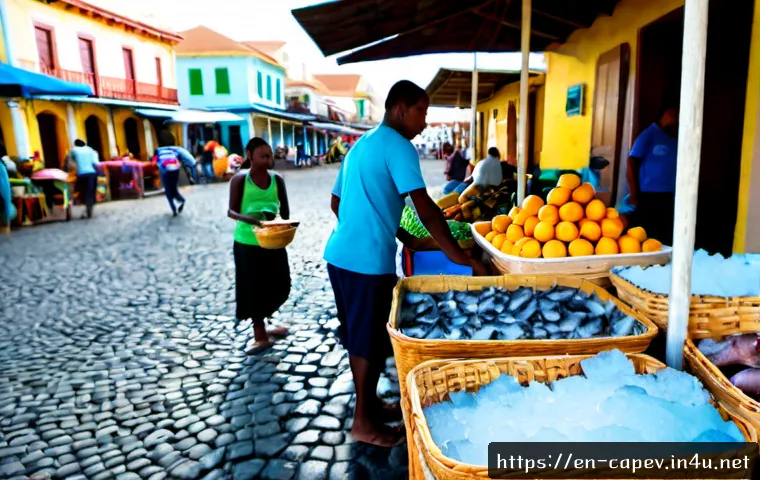
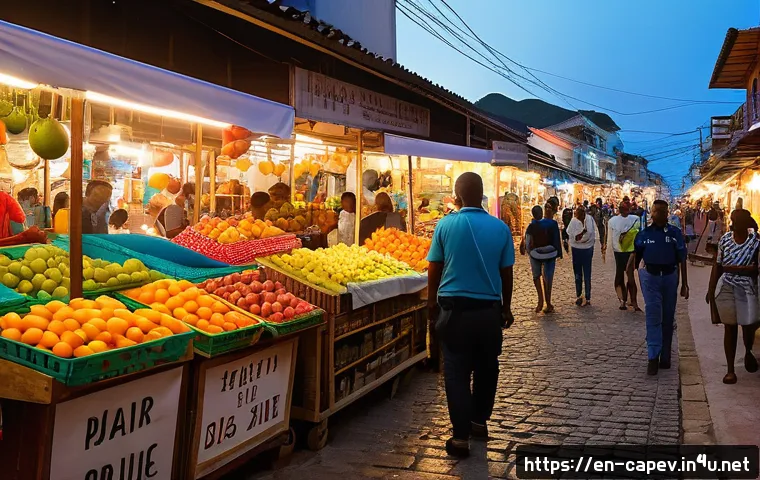
Markets buzz with vibrant colors and aromas, where vendors share stories behind their recipes. I found these moments especially meaningful, as they revealed how food connects people across generations and social backgrounds.
It’s an accessible way to experience the island’s rich cultural mosaic firsthand.
Celebratory Feasts and Social Bonds
Food plays a central role in festivals and family gatherings, reinforcing social bonds and cultural identity. During celebrations, traditional dishes are prepared in abundance, often accompanied by music and dance.
These communal meals are occasions for storytelling and passing down customs. I was lucky enough to join a local feast, where the warmth of hospitality was as memorable as the flavors on the table.
Such experiences highlight the importance of food not just as sustenance but as a living tradition that nourishes both body and soul.
The Role of Art and Handicrafts in Cultural Expression
Traditional Crafts and Their Meanings
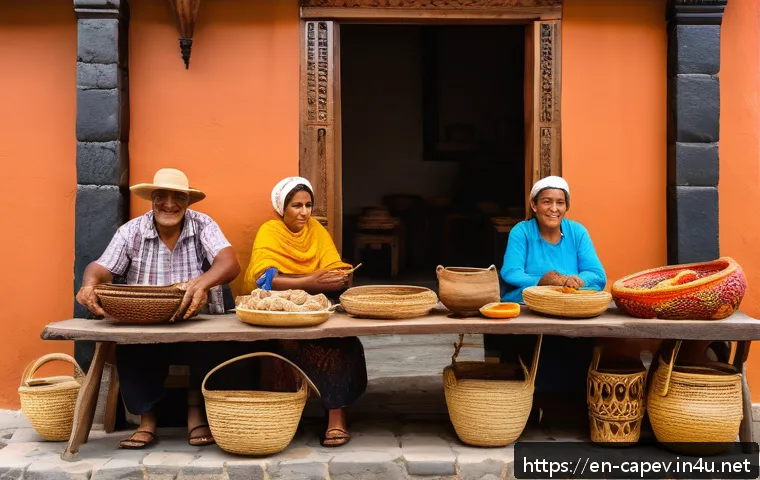
Handicrafts in Cabo Verde are more than souvenirs; they are expressions of identity and history. From weaving baskets and making pottery to carving wooden sculptures, these crafts often incorporate symbols and techniques passed down through generations.
I visited artisan markets where each piece told a story of island life, resilience, and creativity. Supporting these crafts helps preserve cultural knowledge and provides economic opportunities for local communities, making them vital to both culture and livelihood.
Contemporary Art Scene
While traditional crafts remain important, Cabo Verde’s contemporary art scene is blossoming, blending modern styles with cultural themes. Artists explore identity, migration, and social issues through paintings, sculptures, and installations.
This dynamic art movement showcases how Cabo Verdean culture is evolving while staying connected to its roots. During a gallery visit, I was impressed by how artists creatively address the tensions and harmonies of island life, offering fresh perspectives that resonate globally.
Art Festivals as Cultural Platforms
Art festivals in Cabo Verde serve as important platforms for cultural expression and exchange. Events like the Mindelo Carnival or the Festival de Baía das Gatas bring together musicians, dancers, and visual artists from across the islands and beyond.
These gatherings celebrate diversity and innovation, fostering pride and unity among participants and audiences alike. Attending these festivals, I felt the powerful energy of a culture that honors its past while embracing the future with open arms.
Closing Thoughts
Cabo Verde’s rich cultural tapestry is a testament to the resilience and creativity of its people. The unique blend of African and Portuguese influences, island-specific traditions, and vibrant music and art all come together to form a living culture that continues to evolve. Experiencing this dynamic heritage firsthand reveals a society deeply connected to its roots while embracing the future with open arms.
Useful Information to Know
1. Cabo Verdean Creole varies across islands, reflecting the unique history and influences of each community.
2. Music genres like morna and funaná are not only entertainment but also important cultural expressions carrying historical narratives.
3. Tourism supports cultural preservation but requires careful balance to maintain authenticity and avoid commercialization.
4. Traditional livelihoods such as fishing and agriculture are essential for sustaining both the economy and cultural identity.
5. Migration and remittances play a complex role, fostering economic growth while influencing evolving cultural identities.
Key Takeaways
The cultural identity of Cabo Verde is shaped by a vibrant fusion of African heritage and Portuguese colonial influence, creating a unique blend evident in language, music, and traditions. Each island contributes its own customs, making the archipelago a mosaic of diverse cultural expressions. Language dynamics between Portuguese and Creole reflect social and emotional nuances, while music serves as a vital bridge between generations. Economic factors like tourism and migration impact cultural preservation, highlighting the ongoing balance between tradition and modernity in Cabo Verde’s cultural landscape.
Frequently Asked Questions (FAQ) 📖
Q: uestions about Cabo Verde’s Cultural DiversityQ1: What are the main cultural influences that shape Cabo Verde’s identity?
A: Cabo Verde’s culture is primarily shaped by a blend of African heritage and Portuguese colonial history. The African roots come from the original inhabitants and enslaved peoples brought to the islands, while Portuguese influence is evident in language, religion, architecture, and music.
This fusion creates a unique cultural tapestry reflected in traditional practices, festivals, and everyday life.
Q: How does Cabo Verde’s cultural mix affect its music and dance traditions?
A: The cultural blend has given rise to vibrant music and dance styles like morna and funaná. Morna, often compared to blues, carries emotional storytelling with soulful melodies influenced by Portuguese fado and African rhythms.
Funaná is upbeat and energetic, rooted in African traditions but adapted with Portuguese instruments and styles. Experiencing these performances firsthand really highlights how cultural fusion breathes life into Cabo Verde’s artistic expression.
Q: Can visitors experience Cabo Verde’s cultural diversity through local festivals or events?
A: Absolutely. Cabo Verde hosts numerous festivals celebrating its diverse heritage, such as the Baía das Gatas Music Festival and Carnival in Mindelo. These events showcase traditional music, dance, crafts, and cuisine, offering visitors an immersive experience.
From my own visits, joining local celebrations was the best way to connect with the island’s soul and witness how history and culture continue to thrive in daily life.