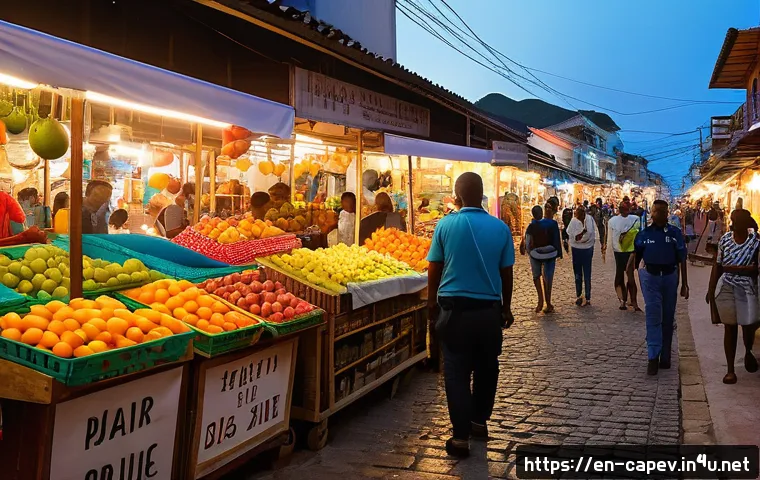
As Cape Verde continues to grow as a popular travel destination, understanding the local safety landscape is more important than ever. Recent updates on crime patterns have sparked conversations among tourists and expats alike, making it essential to stay informed before your trip.
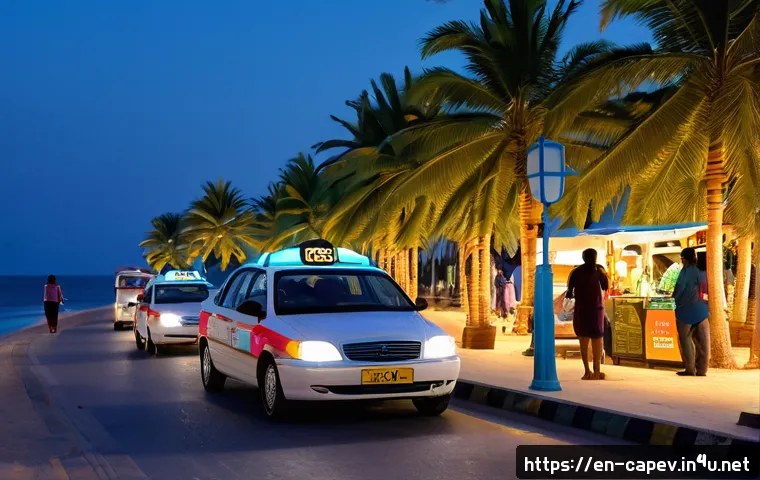
Whether you’re planning to explore the vibrant streets of Praia or the serene beaches of Sal, knowing which areas to approach with caution can make all the difference.
In this guide, I’ll share practical insights and firsthand experiences to help you navigate Cape Verde’s risk zones confidently. Let’s dive into what you really need to know about staying safe while enjoying everything this beautiful archipelago has to offer.
Recognizing Areas to Approach with Caution
Understanding Urban Hotspots
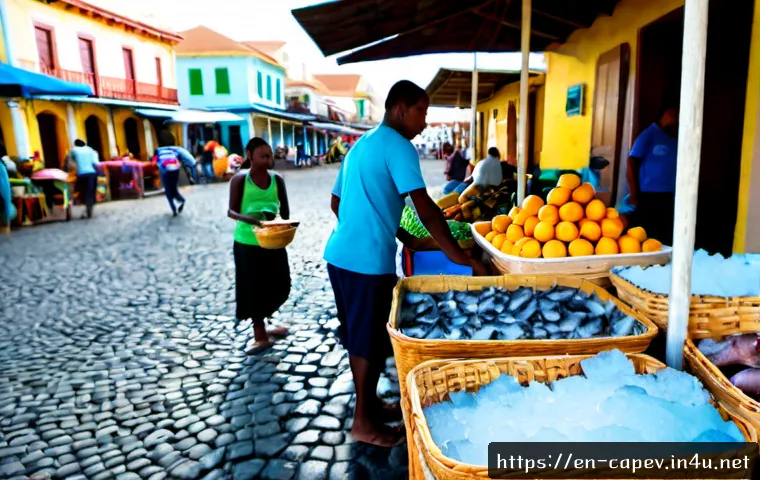
When wandering through the bustling streets of Praia, the capital city, it’s easy to get caught up in the vibrant energy. However, certain neighborhoods require a bit more vigilance.
Areas around the market district and some peripheral zones have reported occasional pickpocketing and petty theft, especially after dark. From my own experience, sticking to well-lit streets and avoiding isolated alleys significantly reduced any unease.
It’s not about fear, but rather about staying alert and respecting local advice to enjoy the city fully without unwanted surprises.
Tourist-Friendly Zones vs. Riskier Districts
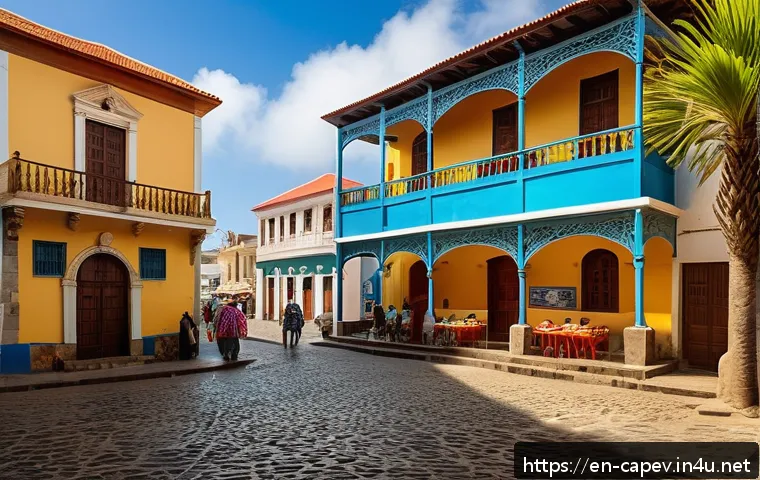
Most popular tourist areas such as Mindelo and the beachfront promenades on Sal tend to be safer due to frequent police patrols and a strong presence of fellow travelers.
That said, even these spots can experience petty crimes like bag snatching if you’re not paying attention. I noticed that blending in with locals by avoiding flashy accessories and keeping valuables close helped me feel more secure.
On the flip side, neighborhoods less frequented by tourists might lack these safety measures, so planning your routes in advance is crucial.
Tips for Nighttime Exploration
Evening hours bring a different vibe to Cape Verde’s towns. While many restaurants and bars are lively and safe, venturing too far from main streets can increase risk.
I always made it a point to travel in groups or use trusted transport options when heading back late. Locals often recommend avoiding walking alone after sunset, particularly in less crowded areas.
Trusting your instincts and listening to local warnings can make a huge difference in keeping your experience smooth and worry-free.
Common Crime Types and How to Avoid Them
Petty Theft and Pickpocketing
Small-scale theft is the most frequently reported issue, especially in crowded markets, public transport, and tourist hotspots. I learned that using a money belt or a secure crossbody bag minimized the chances of losing anything important.
Also, avoiding distractions like phone use in busy places can help keep your belongings safe. Cape Verdeans are generally friendly, but opportunistic thieves take advantage of inattentive tourists, so a little extra care goes a long way.
Scams Targeting Tourists
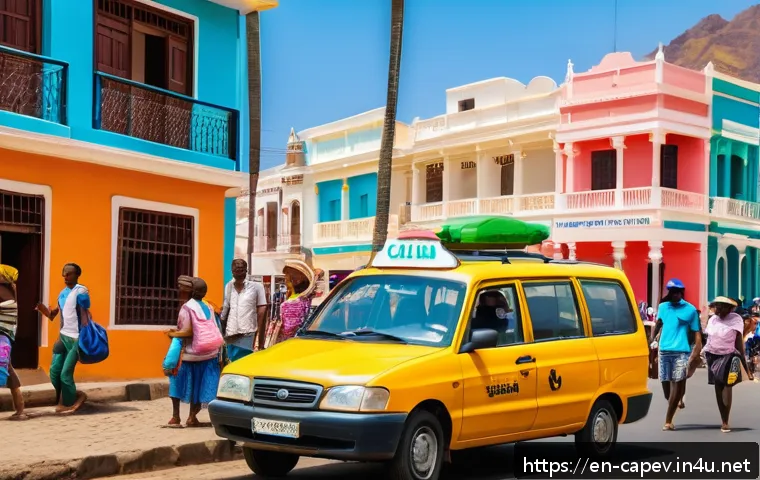
Some travelers have encountered scams involving overpriced taxis or unofficial guides promising exclusive tours. From personal encounters, it’s best to negotiate fares upfront and book tours through reputable agencies or your accommodation.
Being informed about typical scam tactics before arriving helped me avoid any awkward or costly situations. Staying calm and politely declining suspicious offers can often deter scammers without confrontation.
Violent Crime: What the Statistics Say
While violent crime exists, it is relatively rare in tourist areas. Most incidents reported tend to occur late at night in less populated zones. Personally, I found that respecting local customs and avoiding risky behaviors like excessive alcohol consumption in unfamiliar places helped me steer clear of trouble.
Understanding the context behind crime rates gives a more balanced view rather than letting fear dominate your travel plans.
Essential Safety Practices for Visitors
Secure Accommodation Choices
Choosing where to stay plays a major role in overall safety. I opted for accommodations with good reviews emphasizing security features like gated entrances, 24-hour reception, and in-room safes.
Many guesthouses and hotels in prime locations take extra measures to protect guests, which adds peace of mind. It’s worth spending a bit more to avoid potential issues, especially if you’re unfamiliar with the area.
Transportation Safety Tips
Public transportation can be an adventure, but it also requires caution. I always preferred official taxis or pre-arranged transfers over hitchhiking or unmarked vehicles.
When using local minibusses or “aluguer” taxis, keeping an eye on your belongings and confirming the route with drivers beforehand helped avoid confusion.
If you rent a car, locking doors and not leaving valuables visible is a simple but effective habit.
Staying Connected and Informed
Having a reliable way to communicate is crucial. I found purchasing a local SIM card with data allowed me to check maps, contact emergency services, and stay updated on any alerts.
Following local news sources or asking hotel staff about current safety conditions gave me a clearer picture of which areas to avoid. Being proactive about information helped me feel more in control and less anxious during my stay.
How Local Culture Influences Safety
Community and Social Norms

Cape Verdean culture is warm and welcoming, which often translates to helpfulness when visitors seem respectful. I noticed that showing interest in local customs and speaking a few Portuguese phrases opened doors and created goodwill.
However, understanding unwritten social rules, such as dressing modestly in certain neighborhoods or asking permission before taking photos, helped me avoid misunderstandings that could escalate.
Alcohol and Nightlife Considerations
Nightlife is vibrant, but alcohol consumption can sometimes lead to unsafe situations. From my observations, drinking responsibly and staying with trusted companions reduced risks significantly.
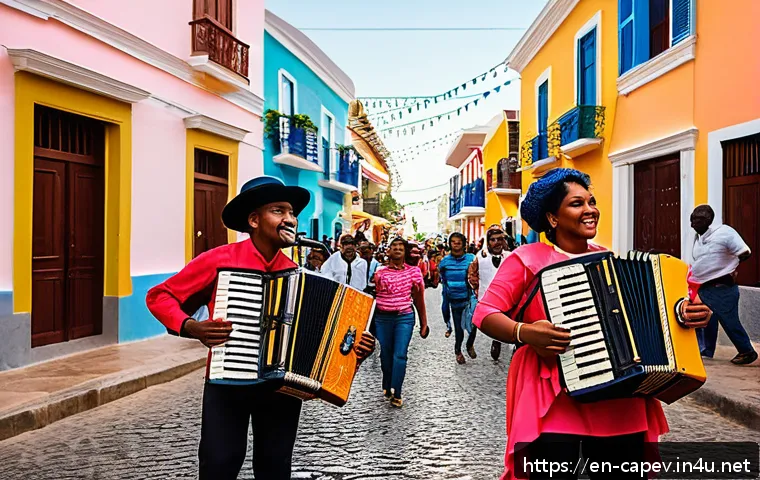
Avoiding confrontations and knowing your limits made it easier to enjoy Cape Verde’s music and dance scenes without worry. Being mindful of your surroundings during late hours is key to staying safe.
Respecting Local Authorities and Regulations
Law enforcement in Cape Verde is generally approachable, but it’s wise to cooperate fully if stopped or questioned. During my trip, I found that carrying a copy of my passport and hotel information was helpful.
Understanding basic legal expectations, such as restrictions on drone use or environmental protections, also prevented accidental violations. Respecting rules is part of showing respect to the community hosting you.
Emergency Contacts and Support Resources
Who to Call in Case of Trouble
Knowing emergency numbers before you need them is crucial. Cape Verde’s general emergency number is 112, which connects you to police, fire, and medical services.
I saved this number on my phone and also noted contacts for my embassy and local hospitals. Having these at hand eased my mind, especially when traveling to more remote islands.
Assistance for Lost or Stolen Items
If you encounter theft or loss, reporting it promptly to local police can aid in recovery or insurance claims. I learned that some accommodations offer assistance in filing reports, which can be a great help for non-Portuguese speakers.
Additionally, keeping digital copies of important documents made replacing them less stressful.
Community Support Networks
Expat groups and online travel forums can be invaluable for real-time advice and support. During my stay, joining local Facebook groups provided insights into current safety issues and practical tips from fellow travelers and residents.
These networks often share updates about any emerging risks and can connect you with trustworthy service providers.
Summary of Safety Tips by Location
| Location | Common Safety Concerns | Recommended Precautions |
|---|---|---|
| Praia | Petty theft in markets, isolated areas after dark | Stay in well-lit areas, use secure bags, avoid walking alone at night |
| Mindelo | Pickpocketing near tourist spots | Keep valuables close, avoid flashy displays, use official taxis |
| Sal Island | Overpriced taxi scams, occasional bag snatching | Negotiate fares upfront, book tours through trusted agencies |
| Boa Vista | Less frequent but possible theft in remote areas | Travel in groups, secure accommodation with good reviews |
| Santiago (other than Praia) | Low lighting in rural zones, limited police presence | Plan routes carefully, avoid isolated spots at night |
In Conclusion
Traveling through Cape Verde offers a rich and vibrant experience, but staying mindful of safety is key to enjoying it fully. By being aware of your surroundings and respecting local customs, you can avoid common pitfalls and make your trip smooth and memorable. Preparation and caution go a long way in ensuring peace of mind during your adventures. Embrace the warmth of the culture while keeping these tips in mind for a worry-free visit.
Useful Information to Keep in Mind
1. Always carry a secure bag or money belt to protect your valuables, especially in crowded places like markets and tourist spots.
2. Book tours and transportation through trusted agencies or your accommodation to avoid scams and unexpected costs.
3. Traveling in groups or using official transport options after dark greatly enhances your personal safety.
4. Learning a few basic local phrases and respecting cultural norms helps build positive connections and avoid misunderstandings.
5. Keep emergency contacts handy and consider joining local online communities for real-time safety updates and support.
Key Takeaways for a Safe Trip
Understanding which areas require extra caution allows you to plan your itinerary wisely and avoid trouble spots. Taking simple precautions like securing your belongings, choosing safe accommodations, and staying informed about local conditions can prevent many common issues. Respecting local laws and customs not only shows courtesy but also ensures a smoother travel experience. Above all, trusting your instincts and being prepared will help you navigate Cape Verde confidently and enjoy its unique charm without worry.
Frequently Asked Questions (FAQ) 📖
Q: Is Cape Verde generally safe for tourists, and which areas should I be cautious about?
A: Overall, Cape Verde is considered relatively safe for tourists, especially compared to other destinations in the region. However, like any popular travel spot, some areas require extra caution.
In cities like Praia, the capital, petty crimes such as pickpocketing and bag snatching can occur, particularly in crowded markets or late at night. It’s wise to avoid poorly lit or isolated streets after dark.
On the islands like Sal and Boa Vista, tourist zones are generally safe, but staying alert in less populated areas is still recommended. Using common sense—such as not flaunting valuables and staying aware of your surroundings—goes a long way in keeping you safe.
Q: What practical steps can I take to minimize the risk of crime while visiting Cape Verde?
A: Based on my own travels and conversations with locals, the best approach combines preparation and awareness. Keep your belongings secure—consider using a money belt or anti-theft backpack.
Avoid carrying large amounts of cash and use hotel safes when possible. When exploring, stick to well-traveled routes and avoid walking alone at night.
If you rent a car or scooter, always lock it and park in secure areas. It’s also helpful to ask hotel staff or trusted locals about any recent safety concerns or areas to avoid.
Lastly, having a local SIM card for easy communication and access to maps can be a lifesaver in unfamiliar places.
Q: How does Cape Verde’s local culture impact tourist safety, and how can I respect it while staying safe?
A: Cape Verdeans are known for their warmth and hospitality, which makes traveling here enjoyable and relatively stress-free. However, respecting local customs and social norms plays a big role in your safety.
For example, dressing modestly, especially in rural areas or religious sites, shows respect and helps avoid unwanted attention. Learning a few basic Portuguese or Creole phrases can also break the ice and earn goodwill from locals, making interactions smoother and safer.
Being polite and patient goes a long way, as does avoiding confrontations or public displays of frustration. This respectful approach not only enhances your experience but naturally keeps you in safer social circles.