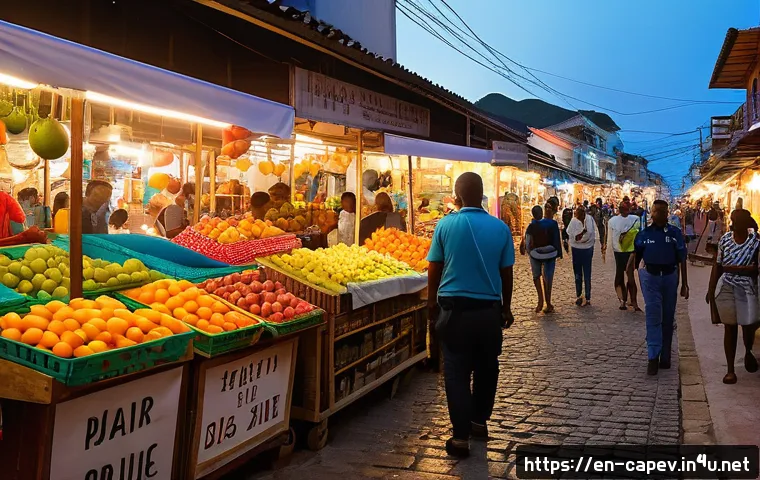
As the planet warms, the vibrant islands of Cabo Verde are facing unprecedented changes that ripple through both nature and daily life. From shifting coastlines to altered weather patterns, these transformations are reshaping communities that have thrived for centuries.
If you’ve ever wondered how climate change directly impacts island nations, Cabo Verde offers a compelling, real-world example. In this post, we’ll explore the challenges and resilience of its people, revealing stories that go beyond statistics.
Stick around to discover how these islands are adapting and what it means for their future—and ours.
Coastal Shifts and Their Impact on Island Life
Rising Seas and Eroding Shores
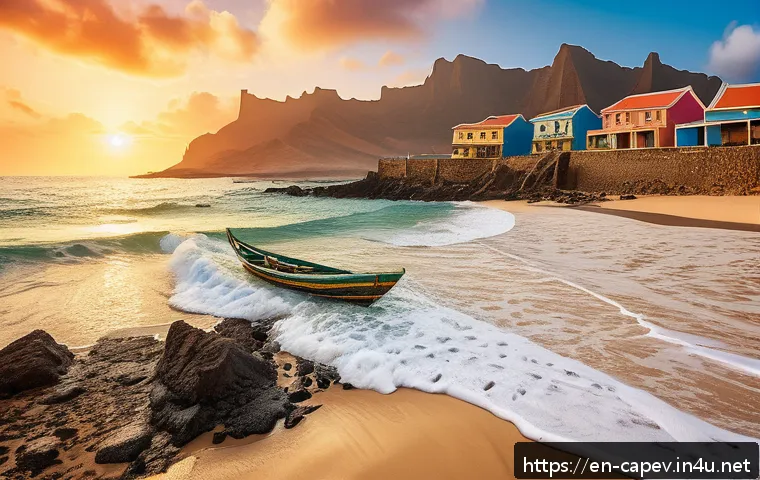
The islands of Cabo Verde are witnessing a noticeable retreat of their coastlines as sea levels gradually rise. This isn’t just a distant scientific prediction—it’s something locals see every day.
Beaches that once stretched wide now shrink, threatening homes and critical infrastructure built close to the shore. Fishermen, who rely on easy access to the ocean, face new challenges navigating altered shoreline landscapes.
From my conversations with residents, there’s a palpable sense of urgency—people aren’t just worried about the environment; they’re worried about their livelihoods and traditions that have been passed down through generations.
Saltwater Intrusion and Agriculture
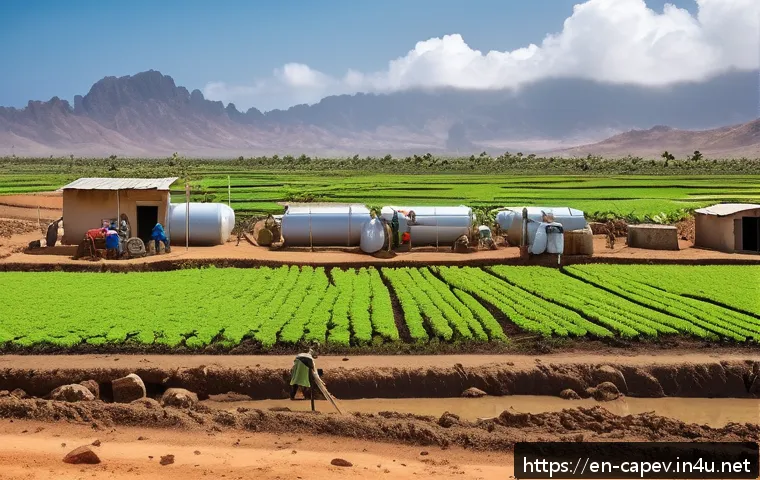
One of the less obvious but deeply troubling effects of shifting coastlines is saltwater creeping into freshwater supplies. Cabo Verde’s communities depend heavily on limited groundwater for farming and drinking water.
As saltwater invades these reserves, crop yields decline, and the quality of drinking water deteriorates. I’ve heard from local farmers who’ve had to rethink what crops they plant and how they irrigate their fields.
This intrusion has forced some to adopt innovative water-saving techniques, but the struggle remains real and ongoing.
Adapting Infrastructure to New Realities
Infrastructure on these islands was designed for a stable coastline, but now roads, buildings, and sea defenses must be reevaluated. Cabo Verde has started investing in resilient construction methods, like raised foundations and reinforced sea walls.
However, funding and technical expertise can be limited, especially in remote areas. From what I gathered, communities are collaborating with NGOs and international partners to upgrade critical infrastructure, but the pace of change can feel overwhelming compared to the speed of environmental shifts.
Shifting Weather Patterns and Community Resilience
Unpredictable Rainfall and Drought Cycles
Cabo Verde’s weather has always been somewhat variable, but recent years have brought more extreme swings. Some seasons deliver intense, short bursts of rain, while others stretch into prolonged droughts.
This unpredictability wreaks havoc on traditional farming cycles, forcing farmers to either face crop failure or invest in costly irrigation. I spoke with several agricultural experts who emphasized how these erratic patterns challenge both food security and economic stability in the islands.
Rising Temperatures and Health Concerns
With temperatures steadily climbing, heatwaves are becoming more frequent and intense. This not only affects comfort but also health, especially for the elderly and children.
Heat stress can exacerbate respiratory and cardiovascular conditions, and local clinics report a rise in heat-related illnesses during hotter months. Anecdotally, many locals have mentioned feeling drained more often and noticing changes in their daily routines to avoid the midday sun.
Community-Led Adaptation Initiatives
Despite these challenges, many Cabo Verdean communities are showing remarkable resilience. Grassroots efforts include planting drought-resistant crops, building rainwater harvesting systems, and educating residents about sustainable water use.
In one village I learned about, locals came together to restore natural vegetation that helps retain soil moisture and reduce erosion. These stories are a testament to the determination and creativity of islanders facing an uncertain future.
Marine Ecosystems Under Pressure
Coral Reefs and Biodiversity Loss
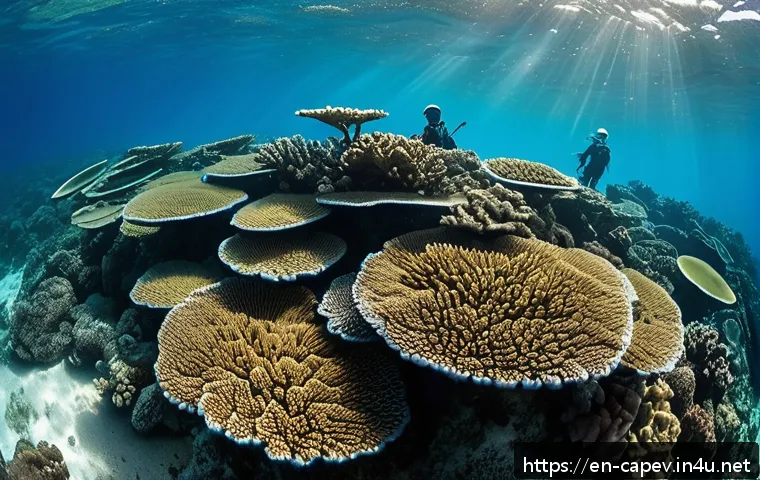
Cabo Verde’s surrounding waters are home to vibrant coral reefs that support diverse marine life and local fisheries. Rising sea temperatures and acidification have caused coral bleaching events, weakening these ecosystems.
Fishermen I spoke with described how fish populations have shifted or diminished, forcing them to travel farther and longer to sustain their catches. The loss of coral reefs not only threatens biodiversity but also the food security and cultural heritage tied to the sea.
Changing Fish Migration Patterns
Warmer ocean waters are prompting many fish species to migrate to cooler areas, disrupting traditional fishing grounds. This shift impacts both the availability of staple seafood and the local economy dependent on fishing.
Some fishermen have adapted by diversifying their catch or turning to aquaculture, but these alternatives come with their own challenges, including costs and technical knowledge.
Marine Conservation Efforts
Recognizing these pressures, Cabo Verde has increased marine protection zones and promoted sustainable fishing practices. Community-based monitoring programs involve local fishers in conservation efforts, blending traditional knowledge with scientific research.
This approach not only helps preserve marine biodiversity but also empowers communities to protect their resources long-term.
Socioeconomic Shifts Driven by Climate Change
Migration and Urbanization Trends
As rural livelihoods become more precarious, many Cabo Verdeans are moving toward urban centers or even emigrating abroad in search of stability. This shift alters the social fabric of the islands, creating new challenges in cities like Praia, where infrastructure and services are strained by rapid population growth.
From discussions with urban planners, managing this influx while ensuring equitable access to resources is a key concern.
Tourism Under Threat
Tourism, a vital economic pillar for Cabo Verde, is also vulnerable. Beaches eroding and unpredictable weather can deter visitors, impacting businesses and jobs tied to the sector.
However, some resorts and tour operators are adapting by promoting eco-tourism and investing in sustainability initiatives, hoping to attract travelers interested in responsible, climate-conscious experiences.
Economic Diversification Efforts
Facing these uncertainties, the government and private sector are exploring diversification beyond traditional sectors. Investments in renewable energy, digital services, and sustainable agriculture aim to build a more resilient economy.
My conversations with local entrepreneurs highlight a growing optimism mixed with cautious realism about the pace and scale of these changes.
Climate Adaptation Strategies in Action
Innovative Water Management Solutions
Water scarcity is a critical issue driving many adaptation efforts. Cabo Verde has embraced technologies like drip irrigation, solar-powered desalination, and rainwater collection systems to maximize limited resources.
I visited a community project where solar desalination plants provide clean water for both drinking and farming, dramatically improving local quality of life and reducing dependence on unpredictable rainfall.
Community Education and Awareness
Raising awareness about climate risks and adaptation methods is fundamental. Schools and NGOs run workshops to teach sustainable practices, from waste management to energy conservation.
Personal stories from participants reveal a growing sense of empowerment and responsibility, which is crucial for long-term resilience.
Policy and International Collaboration
At the policy level, Cabo Verde is actively engaged in international climate dialogues and has developed national adaptation plans that prioritize vulnerable sectors.
Partnerships with global organizations bring funding and expertise, enabling pilot projects and capacity building. These collaborations showcase how small island states can leverage global networks to tackle local challenges effectively.
Summary of Key Climate Impacts and Responses in Cabo Verde
| Impact | Effect | Community Response |
|---|---|---|
| Coastal Erosion | Loss of land, threats to homes and infrastructure | Building sea walls, relocating vulnerable structures |
| Saltwater Intrusion | Degraded freshwater for agriculture and drinking | Adopting water-saving irrigation, crop diversification |
| Unpredictable Weather | Crop failures, food insecurity | Drought-resistant crops, rainwater harvesting |
| Marine Ecosystem Decline | Reduced fish stocks, coral bleaching | Marine protected areas, sustainable fishing practices |
| Economic Shifts | Migration, tourism decline | Economic diversification, eco-tourism promotion |
In Conclusion
The challenges facing Cabo Verde due to climate change are complex and deeply intertwined with the daily lives of its people. From shifting coastlines to unpredictable weather and marine ecosystem pressures, the resilience and adaptability of local communities shine through. While the road ahead is uncertain, ongoing efforts in innovation, education, and collaboration offer hope for sustainable solutions that honor both the environment and the cultural heritage of these islands.
Useful Information to Keep in Mind
1. Coastal erosion not only threatens homes but also disrupts traditional fishing practices essential to local livelihoods.
2. Saltwater intrusion affects freshwater availability, pushing farmers to adopt water-saving techniques and diversify crops.
3. Unpredictable rainfall patterns challenge food security, making drought-resistant crops and rainwater harvesting critical.
4. Marine ecosystem decline impacts fish stocks, urging communities to engage in sustainable fishing and conservation efforts.
5. Economic shifts driven by climate change encourage diversification, including renewable energy and eco-tourism initiatives.
Key Takeaways
Climate change in Cabo Verde is driving significant environmental and socioeconomic shifts, including coastal land loss, freshwater contamination, and altered weather patterns. These changes threaten traditional ways of life but have also sparked innovative community responses such as resilient infrastructure, sustainable agriculture, and marine protection. Continued collaboration between local communities, government, and international partners is essential to build long-term resilience and safeguard both natural resources and cultural identity.
Frequently Asked Questions (FAQ) 📖
Q: How is climate change specifically affecting the coastline of Cabo Verde?
A: Cabo Verde’s coastlines are experiencing increased erosion and rising sea levels, which threaten homes, infrastructure, and local ecosystems. The encroaching ocean is washing away beaches that once supported fishing communities and tourism.
From my own observations and conversations with locals, these changes aren’t just environmental—they disrupt daily life, forcing some residents to relocate and adapt their livelihoods.
Q: What are the main challenges faced by Cabo Verde’s communities due to altered weather patterns?
A: Shifts in rainfall patterns have made droughts more frequent and severe, impacting agriculture and freshwater availability. Many farmers struggle with unpredictable growing seasons, leading to food insecurity.
I’ve heard stories from community members about how traditional farming methods no longer suffice, pushing them to seek innovative water-saving techniques or alternative income sources to survive.
Q: In what ways are the people of Cabo Verde adapting to these climate changes?
A: The resilience of Cabo Verdeans shines through their proactive adaptation efforts. Many have embraced sustainable fishing practices, invested in drought-resistant crops, and developed community-based water management systems.
Personally, seeing these grassroots initiatives up close highlights how local knowledge and cooperation play a crucial role in facing climate challenges.
These adaptations not only protect their environment but also preserve cultural heritage amid uncertainty.