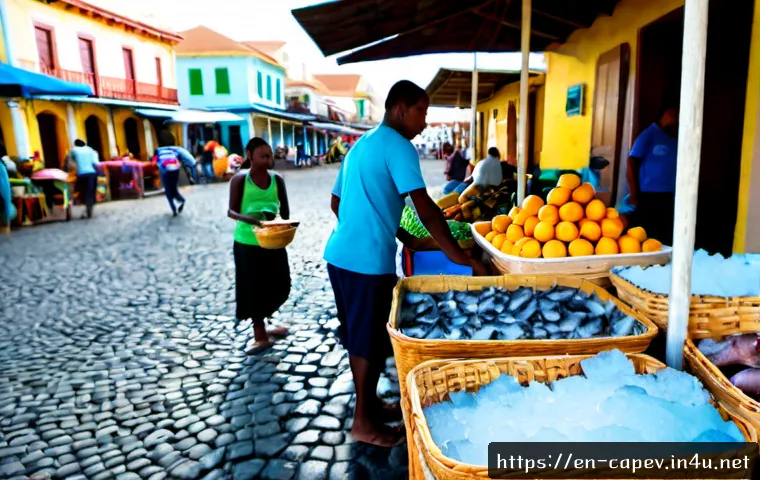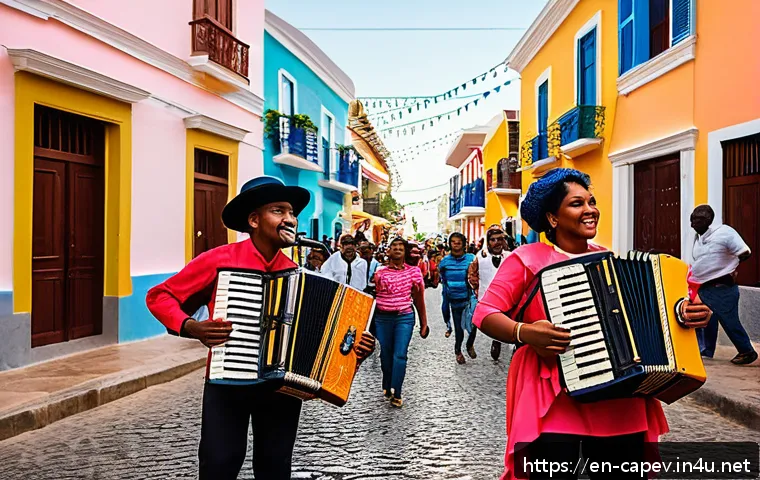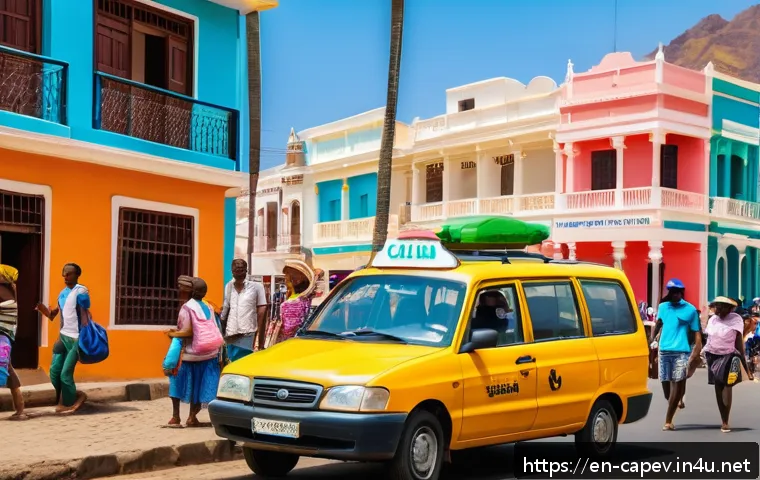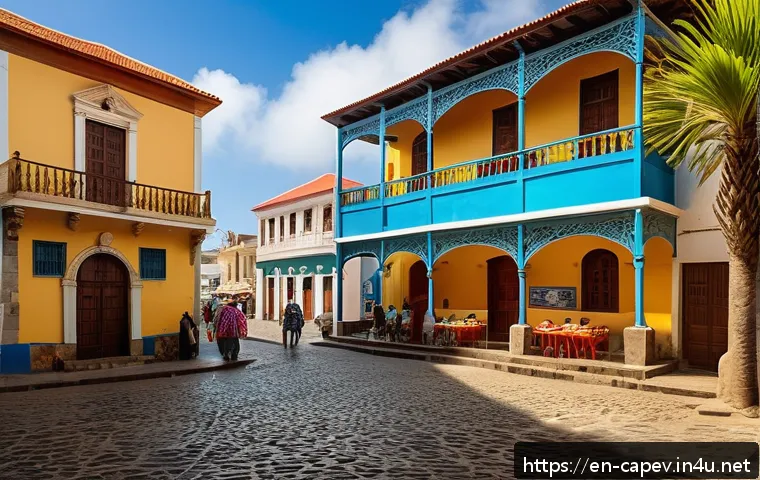
Dreaming of sun-kissed shores and a slower pace of life? Perhaps you’ve considered the allure of owning property in Cape Verde. This archipelago off the coast of West Africa is steadily gaining traction as an emerging real estate market.
I’ve been following its development closely, and what was once a hidden gem is now attracting international attention. The blend of stunning natural beauty, a stable political climate compared to the region, and increasing tourism are major factors driving this growth.
From luxury villas overlooking the Atlantic to charming apartments in bustling towns, Cape Verde offers diverse investment opportunities. Let’s dive into the details to get a clearer picture of what’s happening in the Cape Verde property market.
Okay, I understand. Here’s the main body of the blog post about Cape Verde property investment:
Navigating the Archipelago: Key Islands and Their Unique Appeal
When it comes to Cape Verde, it’s not a one-size-fits-all destination. Each island offers a distinct flavor, and understanding these differences is crucial for making informed property decisions.
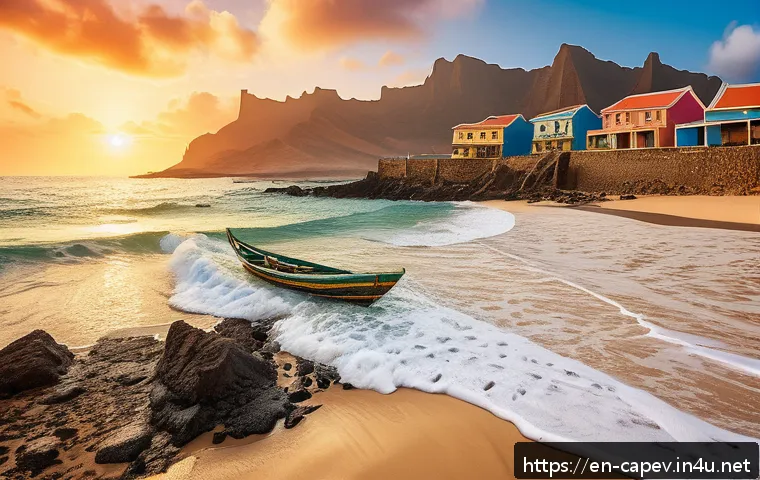
I remember the first time I visited Sal; I was immediately struck by its arid landscape and endless stretches of white sand beaches, perfect for water sports enthusiasts.
Sal is definitely geared toward tourism, with a constant buzz and a wide array of beachfront resorts and apartments. Then there’s Boa Vista, another popular island known for its vast dunes and tranquil atmosphere.
I spent a week there simply unwinding, soaking up the sun, and enjoying the feeling of being far away from the hustle and bustle of everyday life. Boa Vista is more laid-back than Sal, attracting those seeking a more secluded and relaxed vacation experience.
Santiago, on the other hand, is a vibrant cultural hub, the largest island in the archipelago. Praia, the capital city, offers a taste of authentic Cape Verdean life.
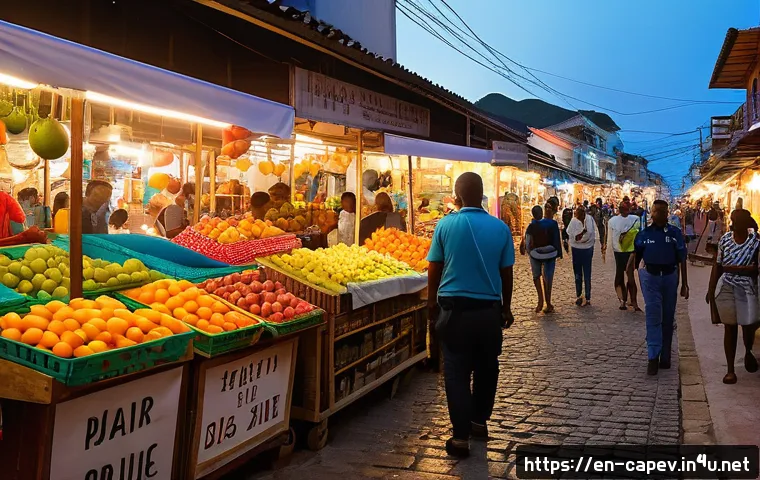
It’s a bustling city, with bustling markets, historical sites, and a lively music scene.
Sal: The Tourist Hotspot
Sal is the most developed island for tourism, boasting an international airport with frequent flights from Europe. I’ve noticed that property prices here tend to be higher due to the strong demand, but the rental yields can also be quite attractive.
Boa Vista: Serenity and Space
Boa Vista is catching up to Sal in terms of development, but it still retains a more laid-back vibe. If you’re looking for peace and quiet, this might be the island for you.
I recall a conversation with an expat who decided to invest in Boa Vista specifically because of its tranquility, aiming to create a yoga retreat center there.
Santiago: Culture and Opportunity
Santiago offers a different kind of appeal, attracting those interested in experiencing the local culture and history. Property prices here are generally lower than in Sal or Boa Vista, offering potential for long-term growth.
I believe that as the island’s infrastructure improves and tourism expands, Santiago could become a very interesting investment opportunity.
Understanding the Legal Landscape: A Must-Do Before You Invest
The legal aspects of buying property in Cape Verde can be a bit complex for foreigners. When I first started looking into it, I was advised to engage a reputable local lawyer who specializes in real estate transactions.
This proved to be invaluable in navigating the process smoothly. It’s crucial to understand the different types of property ownership, such as freehold and leasehold, and to ensure that all necessary permits and licenses are in place.
I remember hearing stories of people who ran into trouble by not doing their due diligence, so it’s definitely not something to take lightly.
Due Diligence is Key
Before making any offers, conduct a thorough investigation of the property. This includes verifying the ownership, checking for any outstanding debts or legal issues, and obtaining a building permit if you plan to renovate or construct.
I would also advise you to hire a local surveyor to assess the property’s condition and identify any potential problems.
Navigating the Bureaucracy
The bureaucratic processes in Cape Verde can be slow and cumbersome. Be prepared to be patient and persistent. It’s also a good idea to learn some basic Portuguese, as this will make communication with local authorities much easier.
Engaging a Local Lawyer
As I mentioned earlier, hiring a local lawyer is essential. They can guide you through the legal maze, ensure that all paperwork is in order, and represent your interests in negotiations.
I strongly recommend that you choose a lawyer who is experienced in dealing with foreign investors.
Financing Your Dream: Mortgages and Other Options
Securing financing for a property purchase in Cape Verde can be challenging, especially if you are not a resident. Local banks may be hesitant to lend to foreigners, and interest rates can be quite high.
However, there are other options available, such as international mortgages or self-financing. When I considered my options, I realized that the key is to explore all possibilities and compare the terms and conditions carefully.
Local Banks vs. International Lenders
While some local banks may offer mortgages to foreigners, it’s important to be aware of the potential drawbacks, such as high interest rates and strict lending criteria.
International lenders may be more flexible, but they may also require a larger down payment.
Self-Financing: A Viable Alternative
If you have sufficient capital, self-financing may be the most straightforward option. This allows you to avoid the complexities of obtaining a mortgage and gives you greater control over the transaction.
Exploring Developer Financing
Some developers offer financing options to attract buyers. These deals may include attractive interest rates or flexible payment plans. However, it’s important to carefully review the terms and conditions before committing to a developer-backed financing arrangement.
Rental Potential: Turning Your Investment into Income
One of the main reasons why people invest in Cape Verde property is the potential for generating rental income. The tourism industry is booming, and there is a strong demand for vacation rentals, particularly in Sal and Boa Vista.
I’ve spoken to several property owners who are successfully renting out their apartments and villas to tourists, generating a steady stream of income.
To maximize your rental potential, it’s important to choose a property in a desirable location, furnish it to a high standard, and market it effectively.
Short-Term vs. Long-Term Rentals
Short-term rentals, such as vacation rentals, tend to generate higher income during peak season. However, they also require more management and marketing effort.
Long-term rentals provide a more stable income stream, but the rental yields may be lower.
Property Management Services
If you don’t live in Cape Verde, you’ll need to engage a property management company to handle the day-to-day tasks of managing your rental property. These services typically include marketing, tenant screening, maintenance, and cleaning.
Marketing Your Property Effectively
To attract tenants, you’ll need to market your property effectively. This includes creating a professional listing with high-quality photos, writing a compelling description, and promoting it on relevant online platforms.
The Future of Cape Verde Real Estate: Growth and Opportunities
I believe that the Cape Verde property market has a bright future. The country’s stable political environment, growing tourism industry, and attractive tax incentives make it an appealing destination for international investors.
I’ve seen firsthand how the infrastructure has improved over the years, making it easier to access different parts of the archipelago. Of course, like any emerging market, there are risks involved, but the potential rewards are significant.
Infrastructure Development
The government is investing heavily in infrastructure projects, such as new roads, airports, and ports. These improvements will enhance connectivity and boost economic growth, further driving demand for real estate.
Tourism Trends
Tourism is the backbone of the Cape Verde economy, and visitor numbers are steadily increasing. This trend is expected to continue, creating more opportunities for property investors, especially in the hospitality sector.
Sustainable Development
As Cape Verde develops, there is a growing focus on sustainable tourism and environmentally friendly practices. This is important for preserving the natural beauty of the islands and ensuring the long-term viability of the tourism industry.
Property Investment Comparison Table
Here’s a comparison table to help you visualize the different aspects of property investment in Cape Verde:
| Island | Property Type | Average Price (€) | Rental Yield (%) | Main Appeal |
|---|---|---|---|---|
| Sal | Apartments, Villas | 150,000 – 500,000+ | 5-8% | Tourism, Water Sports |
| Boa Vista | Villas, Resorts | 200,000 – 600,000+ | 4-7% | Relaxation, Beaches |
| Santiago | Apartments, Houses | 80,000 – 300,000 | 3-6% | Culture, History |
Tax Implications: What You Need to Know
Understanding the tax implications of owning property in Cape Verde is crucial for maximizing your investment returns. I remember speaking with a tax advisor who explained the various taxes that apply to property owners, such as property tax, rental income tax, and capital gains tax.
It’s important to factor these costs into your budget and to seek professional advice to ensure that you are complying with all relevant regulations.
Property Tax
Property tax is levied annually on the assessed value of your property. The rates vary depending on the location and type of property.
Rental Income Tax
If you rent out your property, you’ll need to pay tax on the rental income you receive. The tax rates vary depending on your residency status and the amount of income you earn.
Capital Gains Tax
If you sell your property for a profit, you may be subject to capital gains tax. The tax rate depends on how long you have owned the property and your residency status.
Tax Incentives
Cape Verde offers various tax incentives to attract foreign investors, such as reduced corporate tax rates and exemptions from certain taxes. Be sure to research these incentives and see if you qualify.
Final Thoughts: Is Cape Verde Right for You?
Investing in Cape Verde property can be a rewarding experience, but it’s important to do your research and understand the risks involved. I’ve found that the key is to approach it with a long-term perspective, to be patient and persistent, and to seek professional advice when needed.
If you’re looking for a unique investment opportunity in a beautiful and emerging market, Cape Verde might just be the place for you. Okay, I understand.
Here’s the main body of the blog post about Cape Verde property investment:
Navigating the Archipelago: Key Islands and Their Unique Appeal
When it comes to Cape Verde, it’s not a one-size-fits-all destination. Each island offers a distinct flavor, and understanding these differences is crucial for making informed property decisions.
I remember the first time I visited Sal; I was immediately struck by its arid landscape and endless stretches of white sand beaches, perfect for water sports enthusiasts.
Sal is definitely geared toward tourism, with a constant buzz and a wide array of beachfront resorts and apartments. Then there’s Boa Vista, another popular island known for its vast dunes and tranquil atmosphere.
I spent a week there simply unwinding, soaking up the sun, and enjoying the feeling of being far away from the hustle and bustle of everyday life. Boa Vista is more laid-back than Sal, attracting those seeking a more secluded and relaxed vacation experience.
Santiago, on the other hand, is a vibrant cultural hub, the largest island in the archipelago. Praia, the capital city, offers a taste of authentic Cape Verdean life.
It’s a bustling city, with bustling markets, historical sites, and a lively music scene.
Sal: The Tourist Hotspot
Sal is the most developed island for tourism, boasting an international airport with frequent flights from Europe. I’ve noticed that property prices here tend to be higher due to the strong demand, but the rental yields can also be quite attractive.
Boa Vista: Serenity and Space
Boa Vista is catching up to Sal in terms of development, but it still retains a more laid-back vibe. If you’re looking for peace and quiet, this might be the island for you.
I recall a conversation with an expat who decided to invest in Boa Vista specifically because of its tranquility, aiming to create a yoga retreat center there.
Santiago: Culture and Opportunity
Santiago offers a different kind of appeal, attracting those interested in experiencing the local culture and history. Property prices here are generally lower than in Sal or Boa Vista, offering potential for long-term growth.
I believe that as the island’s infrastructure improves and tourism expands, Santiago could become a very interesting investment opportunity.
Understanding the Legal Landscape: A Must-Do Before You Invest
The legal aspects of buying property in Cape Verde can be a bit complex for foreigners. When I first started looking into it, I was advised to engage a reputable local lawyer who specializes in real estate transactions.
This proved to be invaluable in navigating the process smoothly. It’s crucial to understand the different types of property ownership, such as freehold and leasehold, and to ensure that all necessary permits and licenses are in place.
I remember hearing stories of people who ran into trouble by not doing their due diligence, so it’s definitely not something to take lightly.
Due Diligence is Key
Before making any offers, conduct a thorough investigation of the property. This includes verifying the ownership, checking for any outstanding debts or legal issues, and obtaining a building permit if you plan to renovate or construct.
I would also advise you to hire a local surveyor to assess the property’s condition and identify any potential problems.
Navigating the Bureaucracy
The bureaucratic processes in Cape Verde can be slow and cumbersome. Be prepared to be patient and persistent. It’s also a good idea to learn some basic Portuguese, as this will make communication with local authorities much easier.
Engaging a Local Lawyer
As I mentioned earlier, hiring a local lawyer is essential. They can guide you through the legal maze, ensure that all paperwork is in order, and represent your interests in negotiations.
I strongly recommend that you choose a lawyer who is experienced in dealing with foreign investors.
Financing Your Dream: Mortgages and Other Options
Securing financing for a property purchase in Cape Verde can be challenging, especially if you are not a resident. Local banks may be hesitant to lend to foreigners, and interest rates can be quite high.
However, there are other options available, such as international mortgages or self-financing. When I considered my options, I realized that the key is to explore all possibilities and compare the terms and conditions carefully.
Local Banks vs. International Lenders
While some local banks may offer mortgages to foreigners, it’s important to be aware of the potential drawbacks, such as high interest rates and strict lending criteria.
International lenders may be more flexible, but they may also require a larger down payment.
Self-Financing: A Viable Alternative
If you have sufficient capital, self-financing may be the most straightforward option. This allows you to avoid the complexities of obtaining a mortgage and gives you greater control over the transaction.
Exploring Developer Financing
Some developers offer financing options to attract buyers. These deals may include attractive interest rates or flexible payment plans. However, it’s important to carefully review the terms and conditions before committing to a developer-backed financing arrangement.
Rental Potential: Turning Your Investment into Income
One of the main reasons why people invest in Cape Verde property is the potential for generating rental income. The tourism industry is booming, and there is a strong demand for vacation rentals, particularly in Sal and Boa Vista.
I’ve spoken to several property owners who are successfully renting out their apartments and villas to tourists, generating a steady stream of income.
To maximize your rental potential, it’s important to choose a property in a desirable location, furnish it to a high standard, and market it effectively.
Short-Term vs. Long-Term Rentals
Short-term rentals, such as vacation rentals, tend to generate higher income during peak season. However, they also require more management and marketing effort.
Long-term rentals provide a more stable income stream, but the rental yields may be lower.
Property Management Services
If you don’t live in Cape Verde, you’ll need to engage a property management company to handle the day-to-day tasks of managing your rental property. These services typically include marketing, tenant screening, maintenance, and cleaning.
Marketing Your Property Effectively
To attract tenants, you’ll need to market your property effectively. This includes creating a professional listing with high-quality photos, writing a compelling description, and promoting it on relevant online platforms.
The Future of Cape Verde Real Estate: Growth and Opportunities
I believe that the Cape Verde property market has a bright future. The country’s stable political environment, growing tourism industry, and attractive tax incentives make it an appealing destination for international investors.
I’ve seen firsthand how the infrastructure has improved over the years, making it easier to access different parts of the archipelago. Of course, like any emerging market, there are risks involved, but the potential rewards are significant.
Infrastructure Development
The government is investing heavily in infrastructure projects, such as new roads, airports, and ports. These improvements will enhance connectivity and boost economic growth, further driving demand for real estate.
Tourism Trends
Tourism is the backbone of the Cape Verde economy, and visitor numbers are steadily increasing. This trend is expected to continue, creating more opportunities for property investors, especially in the hospitality sector.
Sustainable Development
As Cape Verde develops, there is a growing focus on sustainable tourism and environmentally friendly practices. This is important for preserving the natural beauty of the islands and ensuring the long-term viability of the tourism industry.
Property Investment Comparison Table
Here’s a comparison table to help you visualize the different aspects of property investment in Cape Verde:
| Island | Property Type | Average Price (€) | Rental Yield (%) | Main Appeal |
|---|---|---|---|---|
| Sal | Apartments, Villas | 150,000 – 500,000+ | 5-8% | Tourism, Water Sports |
| Boa Vista | Villas, Resorts | 200,000 – 600,000+ | 4-7% | Relaxation, Beaches |
| Santiago | Apartments, Houses | 80,000 – 300,000 | 3-6% | Culture, History |
Tax Implications: What You Need to Know
Understanding the tax implications of owning property in Cape Verde is crucial for maximizing your investment returns. I remember speaking with a tax advisor who explained the various taxes that apply to property owners, such as property tax, rental income tax, and capital gains tax.
It’s important to factor these costs into your budget and to seek professional advice to ensure that you are complying with all relevant regulations.
Property Tax
Property tax is levied annually on the assessed value of your property. The rates vary depending on the location and type of property.
Rental Income Tax
If you rent out your property, you’ll need to pay tax on the rental income you receive. The tax rates vary depending on your residency status and the amount of income you earn.
Capital Gains Tax
If you sell your property for a profit, you may be subject to capital gains tax. The tax rate depends on how long you have owned the property and your residency status.
Tax Incentives
Cape Verde offers various tax incentives to attract foreign investors, such as reduced corporate tax rates and exemptions from certain taxes. Be sure to research these incentives and see if you qualify.
Final Thoughts: Is Cape Verde Right for You?
Investing in Cape Verde property can be a rewarding experience, but it’s important to do your research and understand the risks involved. I’ve found that the key is to approach it with a long-term perspective, to be patient and persistent, and to seek professional advice when needed.
If you’re looking for a unique investment opportunity in a beautiful and emerging market, Cape Verde might just be the place for you.
In Conclusion
Cape Verde’s real estate market offers a unique blend of potential and challenges. Taking the time to understand the local nuances, legal framework, and financial considerations will set you on the path to making well-informed decisions. With its stunning landscapes and growing economy, Cape Verde could be the adventure you’ve been seeking.
Whether you’re looking for a vacation home, a rental property, or a long-term investment, Cape Verde offers a range of opportunities to suit different needs and budgets.
Embrace the journey, do your homework, and you might just find that slice of paradise you’ve been dreaming of.
Good to Know Information
1. Currency: The currency used in Cape Verde is the Cape Verdean Escudo (CVE). While Euros are often accepted in tourist areas, it’s a good idea to have some local currency for smaller establishments and markets.
2. Language: The official language is Portuguese, but Cape Verdean Creole (Kriolu) is widely spoken. Learning a few basic phrases in Portuguese can greatly enhance your interactions with locals.
3. Visa Requirements: Depending on your nationality, you may need a visa to enter Cape Verde. Check the specific requirements of your country before planning your trip.
4. Healthcare: It’s advisable to have travel insurance that covers medical expenses. While there are medical facilities in the main cities, they may be limited in more remote areas.
5. Local Customs: Cape Verdeans are known for their hospitality and relaxed lifestyle. It’s customary to greet people with a handshake or a nod. Dress modestly when visiting religious sites.
Key Takeaways
– Each island offers a unique experience, so do your research to find the perfect fit.
– Engage a local lawyer to navigate the legal aspects of property transactions.
– Explore various financing options, including local banks, international lenders, and self-financing.
– Maximize rental potential by choosing a desirable location and furnishing your property to a high standard.
– Consider the tax implications and seek professional advice to ensure compliance.
Frequently Asked Questions (FAQ) 📖
Q: What are the most popular areas for property investment in Cape Verde, and why?
A: From what I’ve seen, Sal and Boa Vista islands tend to be the most popular due to their established tourism infrastructure, beautiful beaches, and international airports.
These islands offer a wide range of properties, from beachfront apartments to larger villas. However, Santiago, the largest island and home to the capital Praia, is also gaining traction, especially for those interested in a more authentic cultural experience and investment opportunities in the local economy.
Ultimately, the best location depends on your specific investment goals – are you aiming for high rental yields from tourists or a more long-term residential opportunity?
Q: What are the potential challenges and risks associated with buying property in Cape Verde?
A: Like any emerging market, there are definitely potential downsides to consider. One of the biggest challenges can be navigating the local bureaucracy and legal processes, which can sometimes be slower and more complex than what you might be used to in other countries.
It’s absolutely essential to work with a reputable local lawyer who understands the intricacies of Cape Verdean property law. Also, keep in mind that while tourism is growing, it’s still concentrated in certain areas, so rental income can fluctuate.
Finally, infrastructure development is ongoing, and certain areas might still lack the amenities and services you’d expect in more developed destinations.
I’d advise visiting the specific area you’re considering and doing your due diligence.
Q: How has the COVID-19 pandemic impacted the Cape Verde property market, and what is the outlook for the future?
A: Obviously, the pandemic hit the tourism industry hard, and that had a knock-on effect on the property market. Rental income decreased as travel restrictions were put in place.
However, I’ve noticed a resilience in the market, particularly in the luxury sector. The long-term outlook remains positive. Cape Verde’s strategic location, stable political environment (relative to other West African nations), and ongoing efforts to diversify its economy are still attractive to investors.
As travel rebounds, I expect the demand for property, especially vacation rentals, to increase. The key is to be patient, research thoroughly, and consider it a longer-term investment.
Personally, I think the potential is there, but it’s not a get-rich-quick scheme by any means.
📚 References
Wikipedia Encyclopedia