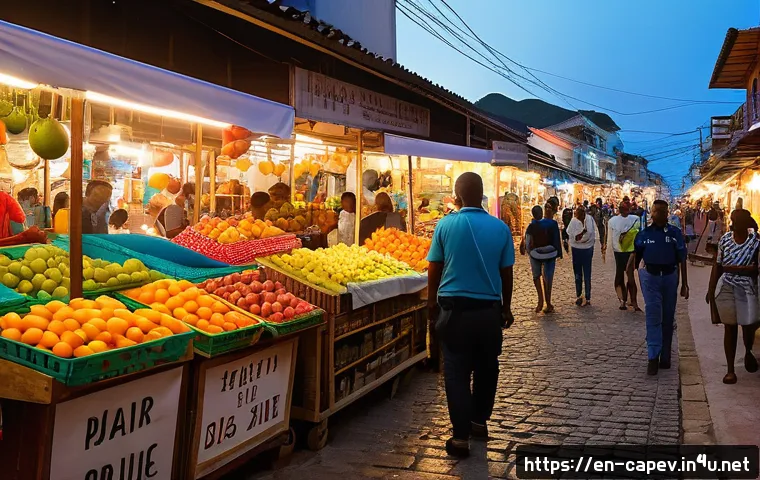
As global conversations about colonial history gain momentum, Cape Verde’s unique story offers a fascinating glimpse into how the past shapes national identity.
Nestled off the West African coast, this island nation’s Portuguese colonial legacy continues to influence its culture, language, and social fabric in profound ways.
Exploring Cape Verde’s history reveals not just a tale of colonization but also resilience and cultural fusion that define its people today. Whether you’re a history enthusiast or curious traveler, understanding this backdrop enriches the appreciation of Cape Verde’s vibrant present.
Let’s dive into how centuries of Portuguese influence have woven themselves into the island’s identity.
The Foundations of Cape Verde’s Cultural Landscape
Portuguese Arrival and Settlement Patterns
Cape Verde’s history as a Portuguese colony began in the 15th century when Portuguese explorers discovered these islands uninhabited. The archipelago’s strategic location along Atlantic trade routes made it an ideal stopover for ships heading to the Americas and Africa.
The Portuguese established settlements that became hubs for trade, including the transatlantic slave trade, which deeply affected the islands’ demographic and cultural makeup.
These early settlements introduced European agricultural practices, architecture, and Christianity, all of which laid the groundwork for the unique cultural fusion seen today.
From my visits to the old towns, like Cidade Velha, you can still feel the layered history in the stone forts and colonial churches, a testament to the early Portuguese influence.
Language as a Living Legacy
One of the most visible remnants of Portuguese colonization is the language. Portuguese remains the official language of Cape Verde, used in government, education, and media.
However, the everyday language spoken by most Cape Verdeans is Cape Verdean Creole, a vibrant blend of Portuguese and African linguistic elements. This creole language symbolizes the islands’ mixed heritage and resilience, reflecting how the local population adapted colonial influences into their own identity.
I’ve found that learning a few phrases in Creole during my stays opened doors to deeper connections with locals, showing how language continues to shape social bonds and cultural pride.
The Role of Religion and Festivals
Christianity, brought by the Portuguese, became a dominant religious force in Cape Verde. Catholic traditions are deeply woven into social life, influencing holidays, rituals, and community gatherings.
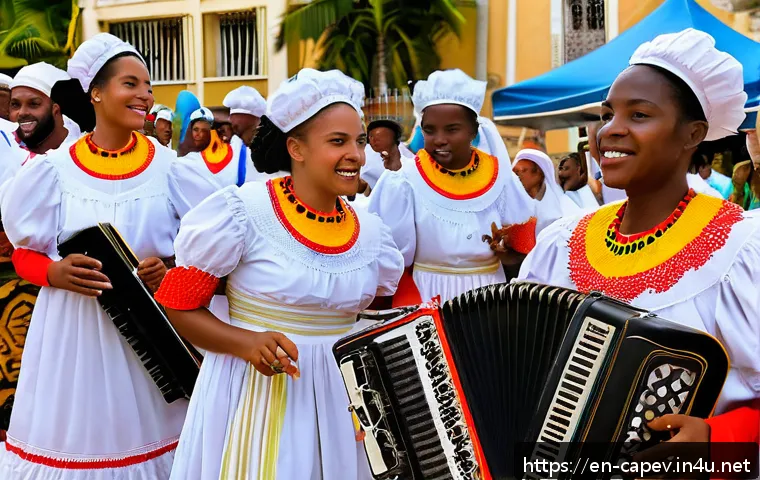
Yet, the way these religious practices are celebrated often incorporates African rhythms, music, and dance, creating uniquely Cape Verdean festivals that blend spiritual devotion with cultural expression.
When attending events like the Festa de São João, it’s impossible not to notice how the colonial religious roots coexist with vibrant African influences, showcasing a dynamic cultural synthesis born out of centuries of interaction.
Economic Shifts and Social Structures Under Portuguese Rule
Trade Networks and Their Impact
During Portuguese rule, Cape Verde developed as a crucial node in the triangular trade connecting Europe, Africa, and the Americas. The islands’ economy was built around the export of goods like salt, coffee, and sugar, largely dependent on enslaved labor.
This economic framework shaped social hierarchies and labor dynamics that persisted even after independence. In reflecting on this, it’s clear how the legacy of colonial trade influenced modern economic challenges and opportunities in Cape Verde, especially in terms of dependency on external markets and remittances from diaspora communities.
Social Stratification and Racial Dynamics
Portuguese colonial policies established a social order that privileged settlers and mixed-race elites while marginalizing African-descended populations.
This stratification affected access to education, property, and political power, creating divisions that have echoed into contemporary society. From conversations with locals, it’s evident that while independence brought political freedom, the social scars of colonial hierarchies remain a topic of reflection and dialogue, influencing how Cape Verdeans understand their identity and social cohesion today.
Legacy of Agricultural Practices
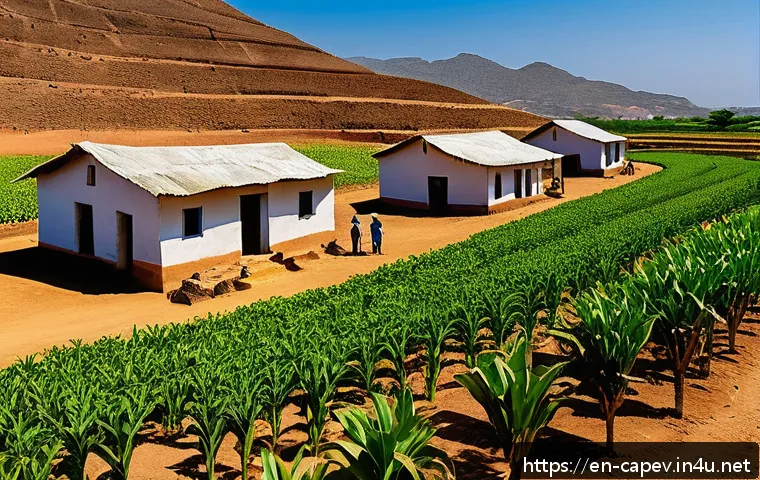
The Portuguese introduced new crops and farming techniques that transformed Cape Verde’s landscape. However, the islands’ arid climate and limited natural resources meant agriculture was always challenging.
Despite this, local farmers adapted by combining traditional African knowledge with Portuguese methods, creating sustainable practices that persist. Observing rural life, it’s inspiring to see how this blend of influences has fostered resilience, enabling communities to thrive in harsh conditions through innovative land use and crop selection.
Architectural Heritage and Urban Development
Colonial Architecture as Cultural Markers
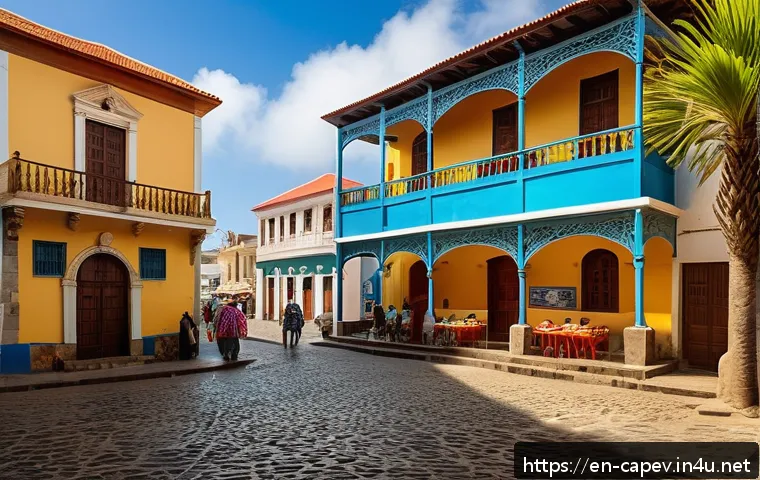
Walking through Cape Verdean towns, the Portuguese colonial architectural style stands out vividly. Buildings with tiled roofs, colonial churches, and forts like the Fortaleza Real de São Filipe in Cidade Velha speak volumes about the islands’ past.
These structures were not merely functional but also symbols of power and cultural imposition. Yet today, they are cherished as cultural landmarks that connect Cape Verdeans to their complex history.
Having explored these sites personally, I can attest to how they evoke a sense of continuity and identity, bridging past and present.
Urban Planning and Coastal Fortifications
Portuguese colonial planners designed Cape Verdean towns with defensive needs in mind, erecting forts and strategically positioning settlements to protect against pirate attacks and rival powers.
This military architecture shaped urban development patterns, influencing the layout of streets and public spaces. Contemporary urban life in these areas reflects this historic legacy, with many coastal towns maintaining their colonial-era street grids and public squares.
The blend of functional design and aesthetic appeal highlights how colonial priorities still shape the living environment.
Preservation Efforts and Tourism
In recent years, there has been a growing effort to preserve and restore colonial-era architecture, recognizing its importance for cultural heritage and tourism.
These restoration projects often involve local communities, creating jobs and fostering pride in Cape Verde’s unique history. From my experience, visiting restored sites offers a richer understanding of how colonial history is not just a relic but a living part of the islands’ identity that supports economic development through heritage tourism.
Cultural Fusion Through Music and Cuisine
Musical Traditions Rooted in Colonial History
Cape Verdean music, especially genres like morna and coladeira, beautifully illustrate the fusion of Portuguese and African influences. The melancholic melodies and poetic lyrics often reflect themes of longing and diaspora, shaped by centuries of migration and colonial experience.
Listening to artists like Cesária Évora, who brought Cape Verdean music to the world stage, I’ve felt how music serves as a powerful medium for expressing complex histories and emotions tied to colonial legacies.
Culinary Blends and Local Flavors
The islands’ cuisine is another vivid example of cultural blending. Portuguese staples such as bacalhau (salted cod) coexist with African-inspired ingredients like corn, beans, and tropical fruits.
This fusion results in dishes that are hearty, flavorful, and deeply rooted in the islands’ history. Sharing meals with locals, I noticed how food traditions are a source of pride and a way to keep cultural memory alive, connecting generations through taste and storytelling.
Festivals Celebrating Shared Heritage
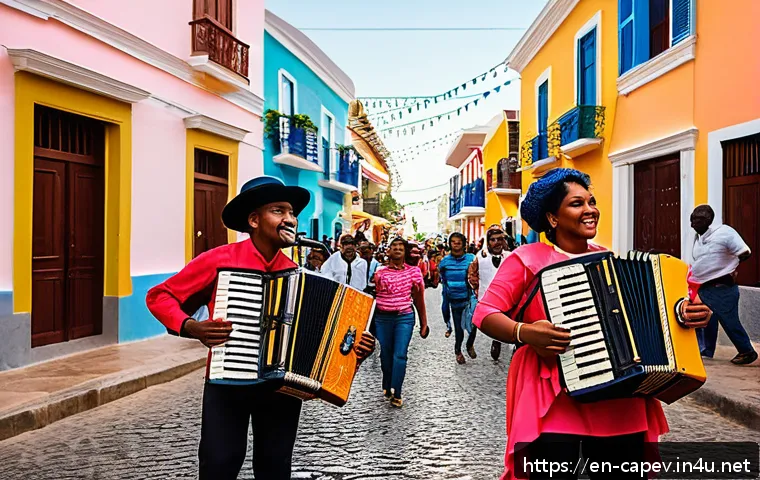
Food and music come together during festivals, which often celebrate both African and Portuguese traditions. These events provide spaces where cultural fusion is not only preserved but actively celebrated, fostering a sense of community and continuity.
Participating in local festivals, I’ve seen firsthand how these celebrations are joyful affirmations of identity that honor the complex history shaping Cape Verde.
Education and Language Policies Post-Independence
Maintaining Portuguese in Education
After independence in 1975, Cape Verde retained Portuguese as the official language of instruction in schools, a decision reflecting both practical considerations and the enduring influence of colonial structures.
Portuguese proficiency connects Cape Verdeans to international opportunities and Lusophone networks, but it also poses challenges for students whose first language is Creole.
From discussions with educators, it’s clear that balancing these linguistic realities remains a critical issue in the country’s educational development.
Promoting Creole as Cultural Identity
There has been a growing movement to recognize and promote Cape Verdean Creole in formal settings, acknowledging its role as the language of daily life and cultural expression.
Efforts include developing Creole orthographies and incorporating the language into media and literature. This shift represents a reclaiming of identity and empowerment, allowing Cape Verdeans to celebrate their heritage more openly.
Experiencing local media, I’ve noticed how this linguistic pride strengthens community bonds and cultural confidence.
Challenges and Opportunities in Language Policy
Navigating between Portuguese and Creole creates unique educational challenges, such as resource allocation and teacher training. However, it also opens opportunities for bilingual education models that respect cultural diversity while preparing students for global engagement.
This dynamic language landscape reflects the ongoing negotiation of Cape Verde’s post-colonial identity, where history and future aspirations intertwine.
Comparative Overview of Colonial Influences and Modern Legacy
| Aspect | Portuguese Colonial Influence | Modern Cape Verdean Reality |
|---|---|---|
| Language | Portuguese as official language; introduction of Creole as a pidgin | Portuguese official; Creole widely spoken and gaining formal recognition |
| Religion | Dominantly Catholic introduced by colonizers | Predominantly Catholic with African cultural integration in practices |
| Architecture | Colonial forts, churches, and town planning | Preserved heritage sites; restored for tourism and cultural identity |
| Economy | Trade-based economy reliant on slave trade and agriculture | Diversified economy focusing on services, tourism, and remittances |
| Social Structure | Colonial hierarchy privileging settlers and mixed-race elites | Post-independence social equity efforts; lingering social stratifications |
| Cultural Expression | Portuguese music and festivals introduced | Fusion of Portuguese and African elements in music, food, and festivals |
In Conclusion
Cape Verde’s cultural landscape is a rich tapestry woven from its Portuguese colonial past and African roots. This unique blend has shaped everything from language and religion to architecture and social structures. Understanding these foundations helps us appreciate the resilience and creativity of the Cape Verdean people. Their ability to embrace and transform influences into a vibrant identity continues to inspire visitors and locals alike.
Useful Information to Know
1. Portuguese remains the official language, but Cape Verdean Creole is the heart of daily communication and cultural expression.
2. Catholicism deeply influences local festivals, which beautifully mix African rhythms and traditions.
3. Colonial architecture, including forts and churches, is actively preserved to boost heritage tourism and community pride.
4. The islands’ economy has shifted from colonial trade dependency to a focus on services, tourism, and remittances from the diaspora.
5. Education balances Portuguese instruction with growing efforts to promote Creole, reflecting ongoing cultural identity development.
Key Takeaways
The Portuguese colonial legacy in Cape Verde is evident across language, religion, architecture, and social systems, but it has been uniquely adapted by the local population. This fusion has created a dynamic cultural identity that honors both African heritage and European influences. While historical inequalities remain part of the social conversation, Cape Verde’s ongoing preservation efforts and cultural celebrations highlight a resilient and evolving nation. Recognizing this complex legacy is essential to understanding modern Cape Verde and its place in the world.
Frequently Asked Questions (FAQ) 📖
Q: How has Portuguese colonial history influenced Cape Verde’s culture?
A: Portuguese colonial history deeply shaped Cape Verde’s culture, blending European and African elements into a unique Creole identity. The Portuguese language remains the official language, while Cape Verdean Creole is widely spoken, reflecting this fusion.
Portuguese customs merged with African traditions in music, dance, cuisine, and religious practices, creating vibrant cultural expressions like morna music and traditional festivals.
This blend illustrates resilience and adaptation, showing how Cape Verdeans have embraced their history to form a distinct national identity.
Q: In what ways does Cape Verde’s colonial past affect its social and linguistic landscape today?
A: The colonial past left a lasting imprint on Cape Verde’s social structure and language. Portuguese established a foundation for education, administration, and formal communication, but the widespread use of Cape Verdean Creole fosters community bonds and cultural pride.
Socially, colonial influences introduced new governance systems and economic models, yet Cape Verdeans adapted these frameworks to their realities, fostering a society that values both its African roots and European influences.
This duality helps explain the island’s strong sense of identity and social cohesion.
Q: Why is understanding Cape Verde’s colonial history important for travelers and history enthusiasts?
A: Understanding Cape Verde’s colonial history enriches the experience of visiting or studying the islands by providing context for its diverse culture, language, and traditions.
Knowing the historical backdrop explains why Portuguese and African elements coexist so harmoniously and highlights the resilience of Cape Verdeans in shaping their destiny.
For travelers, this insight transforms a simple trip into a meaningful journey, revealing the layers behind local music, cuisine, and community life, making each encounter more authentic and rewarding.