Ever felt that undeniable pull towards a destination that feels truly undiscovered, a place where nature still reigns supreme and every breath feels like a fresh start?
I certainly have, and that’s exactly what I found in the enchanting islands of Cape Verde! This stunning archipelago is swiftly emerging as the ultimate escape for those of us yearning for more than just a typical beach vacation – it’s a vibrant tapestry of dramatic volcanic peaks, serene azure waters, and a thriving commitment to sustainable travel.
Trust me, experiencing its unique blend of culture and pristine natural beauty through ecotourism isn’t just a trip; it’s a transformative journey that reconnects you with the planet.
If you’re ready to uncover how you can explore this breathtaking paradise responsibly and immerse yourself in an unforgettable adventure, then let’s accurately discover all the wonders waiting for you!
Discovering the Untouched Beauty: My First Impressions
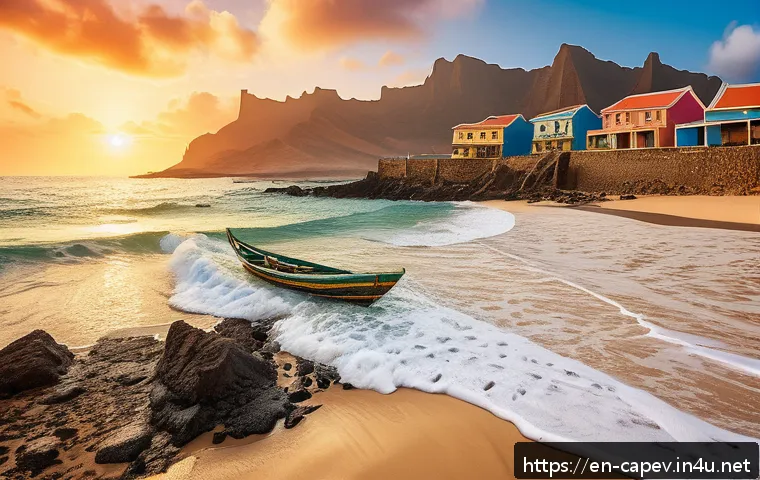
Stepping onto the shores of Cape Verde for the very first time felt like uncovering a secret that the rest of the world hadn’t quite caught onto yet. It wasn’t just the sun-drenched beaches, though they are undeniably breathtaking; it was the raw, untamed essence of the islands that truly captivated me. From the moment my flight landed, I was struck by the dramatic contrasts—volcanic landscapes giving way to lush valleys, and then suddenly, the vast, shimmering Atlantic. My initial thought was, “Wow, this place is truly special.” I remember feeling an immediate sense of peace, a feeling I hadn’t experienced in years amidst the hustle and bustle of everyday life. This isn’t your typical resort-heavy destination; it’s a mosaic of ten distinct islands, each with its own character and charm, waiting to be explored with a conscious heart. The air itself seemed cleaner, the colors more vivid, and the rhythm of life slower, inviting you to truly disconnect and simply *be*. It’s an immersion into nature that feels both humbling and incredibly exhilarating, making you realize how much of the world’s natural wonders we often overlook.
The Allure of São Vicente and Santo Antão
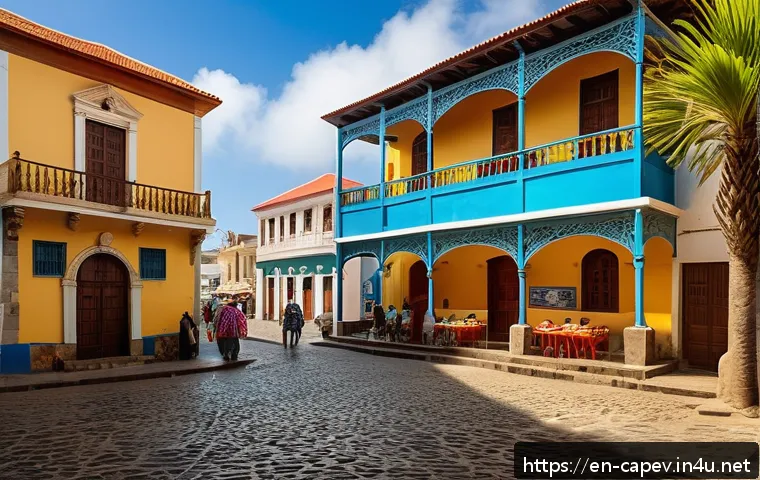
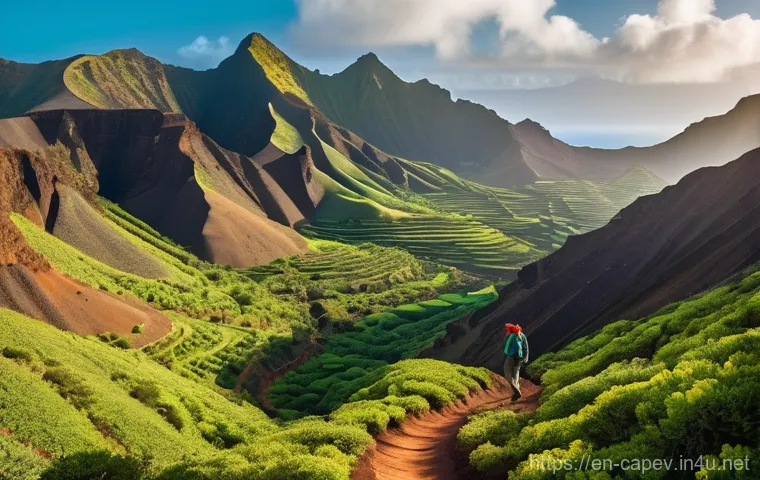
My journey began on São Vicente, a vibrant hub known for its lively music scene and colonial architecture in Mindelo. It’s got an undeniable energy, a cultural heartbeat that quickly draws you in. But what truly stole my breath away was the ferry ride to Santo Antão. The landscape transformation was immediate and astounding. Santo Antão, to me, embodies the very soul of ecotourism in Cape Verde. Its dramatic peaks, verdant valleys, and terraced fields are a hiker’s paradise. I spent days trekking through remote villages, passing by locals working their land, and marveling at the sheer resilience of nature here. The air was crisp, scented with something I can only describe as pure earth, and the views were simply out of this world. There’s a particular trail that winds through a canyon, leading to a hidden waterfall—the journey there, with its challenging but rewarding paths, solidified my understanding of what sustainable travel truly means: appreciating and preserving these incredible environments. It wasn’t just a hike; it was an intimate dance with nature, leaving me feeling profoundly connected to the island.
Sal’s Serene Shores and Sustainable Surfing
Later, I found myself on Sal, an island famous for its endless sandy beaches and incredible watersports. While it’s more developed than Santo Antão, Sal still offers fantastic opportunities for eco-conscious travelers. I decided to try my hand at kite surfing, not just for the thrill, but because I specifically sought out an operator committed to minimizing their environmental footprint. What I discovered was a thriving community dedicated to preserving the marine environment. Lessons were coupled with reminders about protecting the coral reefs and marine life. The experience of gliding across the turquoise water, with the warm sun on my face and the wind in my hair, was pure bliss. It’s moments like these that redefine what a beach vacation can be – not just about passive relaxation, but active engagement with your surroundings in a way that respects their delicate balance. There’s a certain magic to knowing you’re enjoying these natural wonders while also contributing to their longevity, making every splash and every wave feel even more meaningful. The contrast between Sal’s open, breezy landscape and Santo Antão’s rugged terrain highlighted the diverse beauty that Cape Verde offers to any traveler seeking an authentic and responsible experience.
Savoring the Local Life: A Taste of Authentic Cape Verde
One of the most profound joys of traveling, for me, is diving headfirst into the local culture, and Cape Verde did not disappoint. It’s not just about seeing the sights; it’s about tasting the flavors, feeling the rhythms, and connecting with the people. The local cuisine here is a delightful fusion of African, Portuguese, and Brazilian influences, often relying on fresh, seasonal ingredients straight from the ocean or the fertile volcanic soil. I quickly learned that mealtimes are an event, a chance to slow down, share stories, and truly savor the moment. There’s an authenticity to the food, an unpretentious deliciousness that speaks volumes about the islands’ soul. Forget fancy Michelin-star restaurants; the real culinary gems are often found in unassuming eateries or even street food stalls, where families pass down recipes through generations. I recall one evening, sitting at a small family-run restaurant in Mindelo, listening to live Morna music, and thinking to myself, “This is what life is all about.” It’s a testament to the fact that true richness lies not in extravagance, but in genuine human connection and simple, yet profound, experiences that nourish both body and spirit.
Culinary Delights and Community Connections
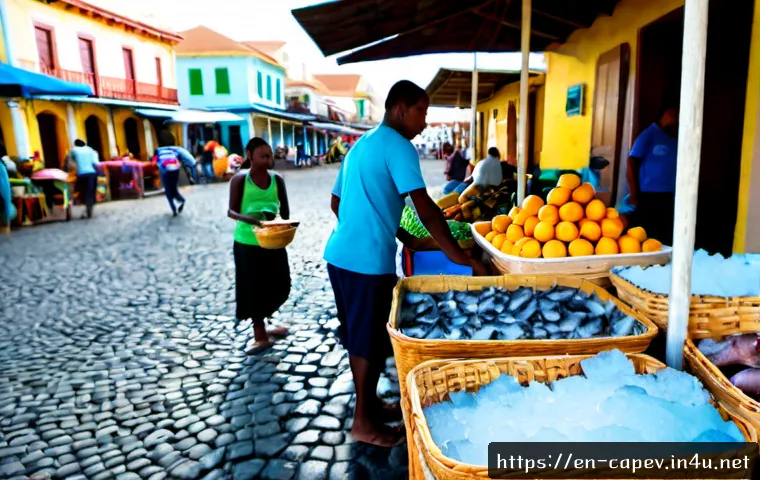
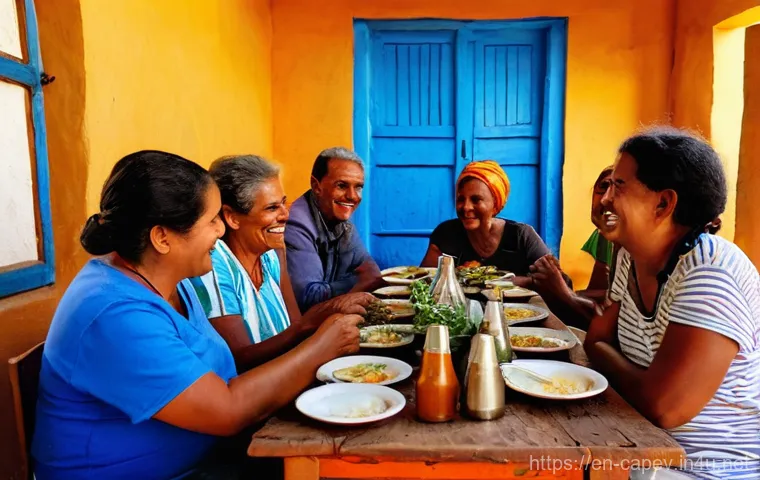
My taste buds were on a constant adventure in Cape Verde! The national dish, Cachupa, a hearty stew of corn, beans, vegetables, and often fish or meat, became an instant favorite. I must have tried it in at least five different places, each with its own subtle variation, and every single one was comforting and soul-satisfying. What struck me most was how these meals often brought people together. I found myself sharing tables with locals, learning a few phrases of Kriolu, and exchanging smiles that transcended language barriers. It wasn’t just about the food; it was about the communal experience. Another unforgettable moment was buying fresh fish directly from fishermen on the beach in Santa Maria, Sal. The sheer freshness of the catch, prepared simply with a squeeze of lime and some local herbs, was unparalleled. This direct interaction not only supported local livelihoods but also gave me a deeper appreciation for the islands’ abundant resources and the hard work that goes into bringing these delicacies to the table. It was a stark reminder of the importance of choosing local, supporting small businesses, and understanding the journey of your food.
The Rhythms of Morna and Funaná
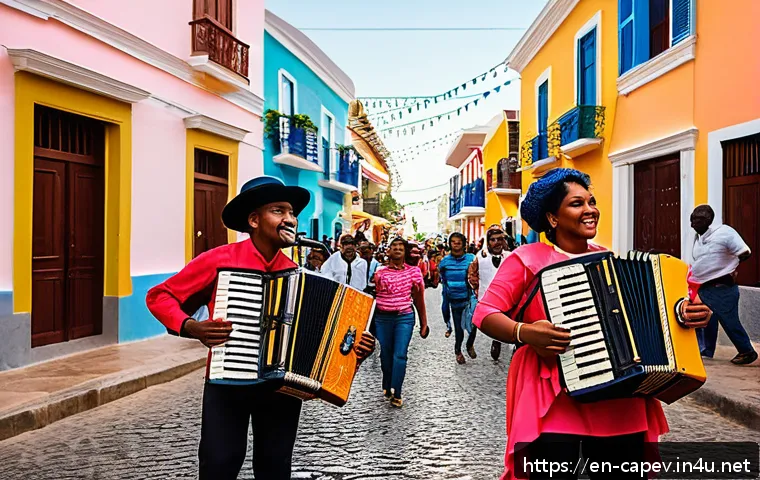
You simply cannot talk about Cape Verde without mentioning its incredible music. It’s the heartbeat of the islands, a soundtrack to daily life. From the melancholic beauty of Morna, famously embodied by Cesária Évora, to the infectious, upbeat rhythms of Funaná, the music tells stories of longing, joy, and the resilient spirit of the Cape Verdean people. I spent many evenings in Mindelo, São Vicente, just soaking it all in, mesmerized by the live performances in cozy bars. It wasn’t just background noise; it was an immersive experience, inviting you to tap your feet, sway your hips, and feel the raw emotion pour from the musicians. There’s an authenticity to the performances that you rarely find elsewhere—no flashy theatrics, just pure, heartfelt expression. I even took a short, informal dance lesson with a local, who patiently taught me a few basic steps of Funaná. It was a hilarious and humbling experience, but it truly made me feel more connected to the culture. This cultural immersion, through food and music, deepened my appreciation for Cape Verde far beyond its stunning landscapes, weaving me into the fabric of its vibrant community.
Thrills and Chills: Responsible Adventures on Land and Sea
For those of us who crave a bit more than just lounging by the beach, Cape Verde truly delivers. The islands are an adventure playground, offering an incredible array of activities that let you explore their diverse ecosystems, all while encouraging responsible practices. This isn’t just about adrenaline rushes; it’s about engaging with nature in a way that respects its boundaries and preserves its beauty for future generations. I’ve always been a bit of an adventure seeker, and finding destinations that align with my eco-conscious values is key. Cape Verde perfectly balances excitement with sustainability, allowing you to get your heart pumping without compromising your principles. Whether you’re a seasoned explorer or looking to try something new, there’s an adventure waiting that will leave you breathless and inspired. The sheer variety of landscapes, from volcanic peaks to underwater worlds, means that every day can bring a completely different kind of thrill. It truly feels like an untouched frontier, brimming with possibilities for those willing to venture beyond the typical tourist traps and discover its wild heart.
Trekking the Volcanic Trails of Fogo
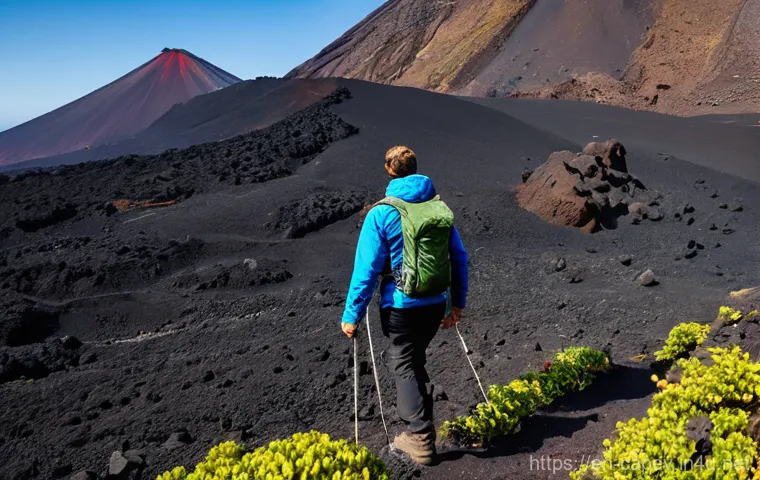
One of the most unforgettable experiences I had was hiking the volcanic landscapes of Fogo. The island is dominated by an active volcano, Pico do Fogo, and the opportunity to trek its slopes was simply irresistible. I joined a guided tour, ensuring that my visit supported local guides and followed safety protocols. The ascent was challenging, but every step was worth it. The terrain was otherworldly—black volcanic rock stretching as far as the eye could see, occasionally punctuated by small, resilient plants. It felt like walking on the moon! Reaching the summit, and then descending into the caldera to explore the fertile vineyards growing in the rich volcanic soil, was an incredible contrast. It’s a powerful reminder of nature’s duality: destructive yet life-giving. The guides shared fascinating insights into the island’s geology and its unique agricultural practices, which have adapted to the volcanic environment. This isn’t just a hike; it’s an educational journey that deepens your understanding of geological processes and human resilience. My legs were definitely aching the next day, but the memories and the sense of accomplishment were priceless. It’s an adventure that engages all your senses and leaves a lasting imprint on your soul, a true testament to the raw power of our planet.
Underwater Worlds and Marine Conservation
Below the surface, Cape Verde is just as captivating as it is above. The crystal-clear waters teem with vibrant marine life, making it a fantastic destination for snorkeling and diving. But again, the emphasis here is on responsible exploration. I opted for a diving center that was certified in marine conservation, ensuring that our dives adhered to strict no-touch policies and educated divers on the local ecosystem. Swimming alongside schools of colorful fish, spotting graceful sea turtles, and marveling at the intricate coral formations was like entering another dimension. It’s a privilege to witness such untouched beauty, and it reinforced my commitment to protecting these fragile environments. There’s a particular dive site near Boa Vista where I encountered a playful school of angelfish, almost as if they were performing for us. It was a magical encounter that left me speechless. Beyond diving, several islands are crucial nesting sites for loggerhead sea turtles, and joining a night-time turtle watch (with an authorized organization, of course!) was an incredibly moving experience. Witnessing these ancient creatures lay their eggs under the moonlight was a humbling reminder of the precious biodiversity we share our planet with and our responsibility to safeguard it. This type of responsible engagement truly enriches the travel experience, transforming a simple activity into a profound connection with nature.
Making a Real Impact: Sustainable Choices That Matter
When you travel, especially to places as pristine as Cape Verde, it’s not enough to simply observe; we have a responsibility to contribute positively. Ecotourism here isn’t just a buzzword; it’s a way of life that many locals are actively embracing, and as visitors, we play a crucial role in supporting these initiatives. It’s about making conscious choices every step of the way, from where you sleep to what you buy and how you interact with the environment. My experiences taught me that even small decisions can collectively create a significant impact. Choosing tour operators who prioritize local employment and environmental protection, staying in accommodations that have eco-certifications, and being mindful of your waste are all simple yet powerful ways to ensure your presence benefits the destination rather than harms it. It’s a shift in mindset from being a passive consumer to an active participant in preserving the beauty you’ve come to admire. The feeling of knowing that your travel choices are directly contributing to the well-being of a community and its natural resources is incredibly rewarding, making your journey so much more meaningful than just collecting passport stamps. It becomes a partnership, a shared commitment to a sustainable future, and that, for me, is the true essence of responsible travel.
Supporting Local Economies and Artisans
One of the most direct ways to make a positive impact is by consciously supporting local businesses and artisans. I made it a point to seek out small, family-run establishments for meals and to purchase souvenirs directly from the creators. In Mindelo, I stumbled upon a small workshop where local artists were crafting intricate pieces from recycled materials, turning discarded items into beautiful works of art. Buying a hand-painted ceramic bowl or a piece of jewelry made from repurposed fishing nets felt so much more significant than picking up a mass-produced item. Not only did I get a unique, authentic memento, but I also knew my money was going directly to the individual who created it, helping to sustain their craft and livelihood. This direct connection felt incredibly rewarding. Similarly, choosing to eat at a tiny eatery owned by a local family, rather than a large international chain, ensures that your tourism dollars circulate within the community. These seemingly small actions collectively empower local residents, fostering economic growth that is truly equitable and sustainable. It’s about recognizing that every purchase has a story and a ripple effect, and choosing to support those stories that truly benefit the heart of the community.
Eco-Friendly Stays and Conservation Efforts
When it came to accommodation, I made an effort to choose places that demonstrated a genuine commitment to sustainability. Many guesthouses and boutique hotels in Cape Verde are increasingly adopting eco-friendly practices, from using solar power and conserving water to sourcing local produce for their kitchens. I stayed at a lovely guesthouse on Santo Antão that rainwater harvesting systems and even composting! They were incredibly proud of their efforts, and it was inspiring to see. These establishments often employ staff from the local community, further amplifying their positive impact. Beyond individual businesses, I also learned about larger conservation projects happening across the islands. For instance, several organizations are working tirelessly to protect the fragile marine ecosystems, including sea turtle nesting sites and coral reefs. While visiting, I took the opportunity to learn more about these initiatives and even participated in a beach clean-up organized by a local environmental group. It was a simple act, but seeing the collective effort and knowing I was directly contributing to keeping these beautiful shores pristine was incredibly fulfilling. Making these conscious choices throughout my trip allowed me to fully enjoy the beauty of Cape Verde while ensuring I was leaving a positive footprint behind, proving that responsible tourism truly is a win-win for everyone involved.
Navigating Your Eco-Journey: Practical Tips for a Conscious Trip
So, you’re ready to embark on your own incredible eco-adventure in Cape Verde? Fantastic! Planning a responsible trip can sometimes feel a bit daunting, with so many things to consider. But trust me, with a few thoughtful preparations and mindful choices along the way, it’s absolutely achievable and incredibly rewarding. My own journey involved a bit of research and a commitment to making ethical decisions, and I want to share some of the practical lessons I learned to help you navigate your trip seamlessly. It’s not about being perfect, but about being present and purposeful in your travel. Think of these tips as your personal guide to not just seeing Cape Verde, but truly experiencing it with respect and appreciation. From packing smart to getting around, every decision can contribute to a more sustainable and enriching experience for both you and the beautiful islands you’re visiting. It’s all about creating those unforgettable memories while ensuring that the magic of Cape Verde remains for generations to come. Let’s make your journey not just a vacation, but a statement of conscious living.
Packing Smart and Minimizing Waste
One of the easiest ways to start your eco-conscious journey begins before you even leave home: by packing smart! I made sure to bring a reusable water bottle, which was an absolute lifesaver, especially on long hikes. Many accommodations and restaurants offer filtered water refills, helping you avoid single-use plastic bottles. Similarly, a reusable shopping bag came in handy for market visits, and I packed solid toiletries (like shampoo bars and conditioner bars) to minimize plastic waste and avoid leaks in my luggage. Don’t forget reef-safe sunscreen if you plan on swimming or snorkeling; traditional sunscreens can be incredibly harmful to marine life. I also packed quick-drying, lightweight clothes made from natural fibers, which are ideal for the warm climate and reduce the need for frequent washing. Thinking about what you bring and what you leave behind can significantly reduce your environmental footprint. It’s about being prepared and proactive, ensuring that your journey is as low-impact as possible from start to finish. Every small choice you make in your packing strategy contributes to the larger goal of protecting this beautiful destination.
Sustainable Transportation and Local Engagement
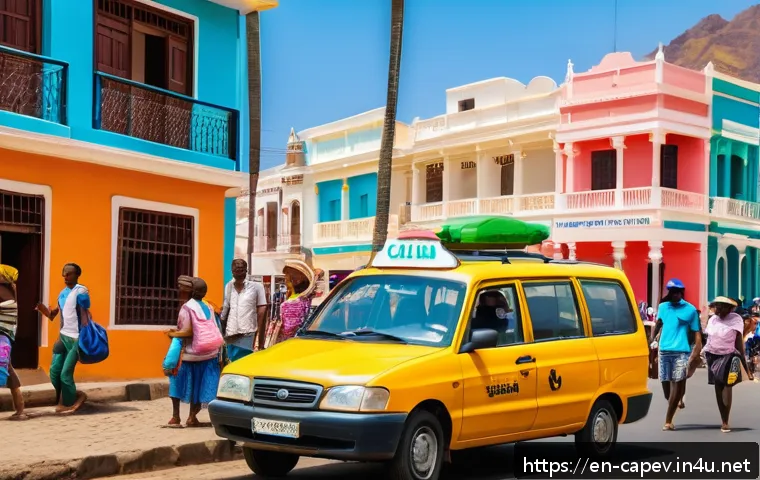
Getting around Cape Verde offers opportunities to make environmentally friendly choices. While inter-island flights are sometimes necessary, consider local ferries for island hopping when possible—they offer breathtaking views and generally have a lower carbon footprint per passenger. Once on an island, embrace local transport! I often used “aluguers” (shared taxis), which are a fantastic way to meet locals, experience daily life, and reduce individual car emissions. Negotiate fares beforehand, but always be respectful and friendly. For excursions, choose tour operators who clearly state their commitment to sustainability, employ local guides, and respect cultural sites and natural habitats. Ask questions about their practices! Do they minimize waste? Do they contribute to local conservation? Do they pay fair wages? These questions help you identify genuinely responsible businesses. Renting bicycles on flatter islands like Sal or Boa Vista is also a wonderful way to explore at a leisurely pace, connecting you more intimately with your surroundings. By choosing conscious transportation and engaging with ethical tour providers, you directly support the local economy and minimize your environmental impact, ensuring your adventures are both thrilling and responsible. This holistic approach to travel transforms a simple trip into a meaningful journey of discovery and connection.
My Personal Dive into Cape Verdean Wonders
Every trip leaves an imprint, but my journey through Cape Verde etched itself into my soul in a way few other destinations ever have. It wasn’t just the stunning vistas or the vibrant culture; it was the pervasive feeling of possibility, the sense that here, humanity and nature could truly coexist in harmony. From the moment I first felt the warm, salty air on my face, to the final, lingering sunset over the Atlantic, every experience reinforced my belief in the power of responsible travel. I often found myself reflecting on how different this trip felt compared to previous vacations. It wasn’t about ticking off landmarks; it was about immersing myself in the moment, connecting with the earth and its people on a deeper level. The lessons learned, the perspectives gained, and the sheer joy of discovery have stayed with me long after I left. It was a journey of not just seeing new places, but seeing the world, and my place in it, with fresh eyes. This archipelago isn’t just a collection of islands; it’s a testament to resilience, beauty, and the profound impact we can have when we choose to travel with purpose and respect.
Unforgettable Encounters and Sensory Delights
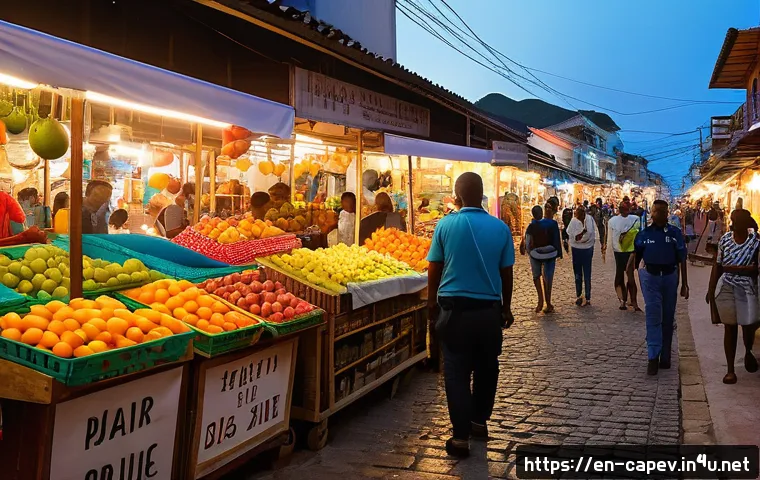
I distinctly remember an afternoon spent in a tiny village on Santo Antão, where I was invited to share a cup of strong, sweet coffee with an elderly woman. We spoke very little of each other’s language, but through gestures and warm smiles, we communicated a shared humanity. She showed me her small garden, bursting with vibrant greens, and her hands, weathered by years of working the land, told a story of hard work and connection to the earth. That simple, unplanned encounter was more profound than any organized tour. The sensory experience of Cape Verde is equally vivid: the persistent rhythm of the waves, the spicy aroma of freshly cooked fish, the kaleidoscope of colors in a local market, the rough texture of volcanic rock underfoot, and the unparalleled sweetness of a ripe mango bought from a roadside stall. These aren’t just fleeting moments; they are memories etched in my mind, forming a rich tapestry of experiences that evoke a profound sense of place and belonging. These are the moments that truly make a trip unforgettable, reminding you that sometimes, the most precious experiences are those that are simple, unexpected, and deeply human.
The Transformative Power of Slow Travel
One of the most valuable lessons I learned in Cape Verde was the immense power of slow travel. Instead of rushing from one island to the next, trying to see everything, I allowed myself the luxury of lingering. I spent several days on each island, allowing its unique personality to unfold, rather than just skimming the surface. This unhurried pace enabled me to truly connect with the local environment and culture, fostering a deeper understanding and appreciation. It gave me the time to sit quietly on a beach and observe the local fishermen, to get lost (and found!) on winding village paths, and to simply be present without the pressure of a rigid itinerary. This deliberate approach to travel allowed for more spontaneous interactions, more authentic discoveries, and a much richer, more meaningful experience overall. It’s a philosophy that prioritizes quality over quantity, depth over breadth, and genuine connection over superficial sightseeing. My time in Cape Verde reinforced my belief that when you slow down, you not only see more, but you also feel more, making the journey itself as important as the destination. It was truly transformative, changing my approach to how I want to explore the world from now on.
Embracing the Slow Travel Movement
In our fast-paced world, the idea of slow travel might seem counterintuitive, but in Cape Verde, it felt like the most natural way to experience the islands. It’s an approach that prioritizes immersion, connection, and mindful engagement over hurried sightseeing. For me, it meant letting go of rigid itineraries and embracing the unexpected, allowing the rhythm of the islands to dictate my pace. This isn’t about doing less; it’s about experiencing more deeply. Instead of just ticking off a list of attractions, I found myself lingering over conversations with locals, spending an entire afternoon watching the waves crash against the shore, or simply enjoying a lengthy, unhurried meal. This deliberate choice transformed my trip from a mere vacation into a profound journey of discovery and introspection. It allowed me to forge a genuine connection with the land and its people, absorbing the unique spirit of each island at a pace that felt right. It’s an antidote to the often overwhelming nature of modern tourism, offering a chance to truly decompress, reset, and engage with your surroundings in a way that feels authentic and deeply satisfying. This philosophy of travel isn’t just a trend; it’s a powerful way to enrich your life and the lives of those you encounter along the way.
The Beauty of Unplanned Discoveries
Some of the most cherished memories from my Cape Verde trip weren’t planned at all. They were the spontaneous detours, the unexpected conversations, and the moments of pure, unadulterated serendipity that only slow travel allows. I recall one afternoon on Santiago, aiming for a particular viewpoint, but getting wonderfully lost on a winding path. Instead of frustration, I embraced the adventure. This led me to a hidden waterfall, known only to locals, where I spent a tranquil hour enjoying the cool spray and the sound of nature. Another time, while exploring a small fishing village, I was invited by a family to watch them mend their nets, sharing stories and laughter despite the language barrier. These unplanned discoveries are the true gems of travel, revealing the authentic heart of a destination in a way that no guidebook ever could. They remind you to stay open, to be present, and to trust that the most rewarding experiences often lie just beyond your initial expectations. It’s in these moments that you truly feel like a traveler, not just a tourist, forging genuine connections and collecting stories that are uniquely yours. It’s a reminder that sometimes, the best way to find what you’re looking for is to stop looking so hard and simply let the journey unfold.
Building Genuine Connections
Slow travel facilitates something incredibly precious: building genuine connections. When you take the time to truly engage with a place, you inevitably engage with its people. I found myself striking up conversations with shopkeepers, sharing jokes with taxi drivers, and learning local customs from guesthouse owners. These interactions weren’t rushed; they were natural and flowed organically, enriching my understanding of Cape Verdean life far beyond what any historical site or museum could offer. I remember a particularly heartfelt conversation with a local artist in Mindelo, who passionately explained the symbolism behind her vibrant paintings, inviting me into her creative world. Such moments are invaluable, breaking down barriers and fostering a sense of shared humanity. It’s in these exchanges that you move beyond mere observation and truly immerse yourself in the culture, understanding the nuances, the challenges, and the joys of daily life. These genuine connections are the threads that weave together the tapestry of a truly memorable trip, transforming strangers into friends and destinations into adopted homes. It’s a powerful reminder that travel isn’t just about the places you see, but the people you meet and the bridges you build along the way, leaving you with a richer perspective and a heart full of gratitude.
Planning Your Eco-Escape: Tips for a Seamless Journey
Alright, so now that you’re totally inspired to discover the wonders of Cape Verde, let’s talk practicalities! Planning an eco-conscious trip doesn’t have to be complicated, and with a little foresight, you can ensure your adventure is both unforgettable and incredibly responsible. It’s all about making informed decisions that align with your values and contribute positively to the destination you’re visiting. Trust me, I’ve learned a few tricks along the way, and I’m thrilled to share them so your journey is as smooth and impactful as possible. From getting there to getting around, and everything in between, thinking consciously about your choices makes a huge difference. These tips are designed to empower you, giving you the tools to travel with confidence and knowing that you’re making a positive difference with every step. It’s about being prepared, being respectful, and being excited about the incredible journey ahead. Let’s ensure your Cape Verdean escape is not just a trip, but a truly transformative experience that leaves both you and the islands better for it. Remember, every little effort counts when it comes to preserving paradise!
Choosing Responsible Tour Operators and Accommodations
This is perhaps one of the most crucial aspects of planning an eco-friendly trip. When booking tours or activities, do your research! Look for operators that explicitly state their commitment to sustainable tourism, employ local guides, and have transparent environmental policies. For instance, if you’re going on a marine excursion, check if they adhere to responsible wildlife viewing guidelines, such as maintaining a safe distance from marine animals and not disturbing their habitats. Similarly, when selecting your accommodation, prioritize hotels or guesthouses with eco-certifications or those that actively promote sustainable practices like waste reduction, water conservation, and supporting local communities. Many establishments in Cape Verde are becoming increasingly aware of the importance of sustainability, and choosing them sends a clear message that responsible tourism matters. Websites like EcoBnb or Green Pearls can be great resources, or simply look for detailed information on the hotel’s own website about their environmental initiatives. Don’t be afraid to ask questions directly! A truly responsible business will be proud to share its efforts. Your choices here have a direct impact on the local environment and economy, so choose wisely and support those who are genuinely making a difference.
| Eco-Friendly Essential | Why It Matters | My Personal Tip |
|---|---|---|
| Reusable Water Bottle | Reduces single-use plastic waste, especially important in island nations. | Carry a sturdy, insulated bottle. Many guesthouses offer filtered water refills! |
| Reef-Safe Sunscreen | Protects delicate marine ecosystems from harmful chemicals. | Look for “non-nano zinc oxide” or “titanium dioxide” as active ingredients. |
| Reusable Shopping Bag | Minimizes plastic bag usage at markets and shops. | A compact, foldable bag is perfect for impromptu souvenir shopping. |
| Solid Toiletries | Reduces plastic packaging for shampoo, conditioner, soap. | Travel-friendly and leak-proof; great for carry-on luggage. |
| Lightweight, Quick-Dry Clothing | Reduces laundry needs and energy consumption. | Choose breathable fabrics like linen or bamboo for comfort and quick drying. |
Respecting Culture and Environment
Beyond practical items, a truly seamless and responsible journey hinges on your respect for the local culture and environment. This means being mindful of local customs and traditions. For instance, dress modestly when visiting religious sites or more conservative areas. Learning a few basic phrases in Kriolu (the local creole language) like “Olá” (hello) and “Obrigado/a” (thank you) can go a long way in showing respect and fostering positive interactions. I found that even a simple attempt at the local language brought huge smiles and opened doors to more meaningful conversations. When exploring natural areas, stick to marked trails, avoid disturbing wildlife, and never leave any litter behind—”leave no trace” should be your mantra. Be conscious of your water and energy consumption; resources can be scarce on islands. A short shower instead of a long one, turning off lights and air conditioning when leaving your room, these small actions collectively make a big difference. Remember, you are a guest in someone else’s home, and treating it with care and consideration ensures that these beautiful islands remain vibrant for both locals and future travelers. Engaging respectfully with the culture and protecting the environment are not just guidelines; they are fundamental principles of truly enriching and responsible travel.
Let’s Wrap Up Our Journey
So, as our virtual journey through the captivating Cape Verde draws to a close, I truly hope you’ve felt inspired to explore this incredible archipelago with an open heart and a conscious mind. My adventures here taught me the profound joy of truly connecting with a unique culture and breathtaking nature. This is a destination that utterly rewards the mindful traveler, offering a chance to slow down, soak it all in, and leave a truly positive footprint. Remember, every sustainable choice we make helps preserve these islands for future generations, ensuring their magic endures.
Handy Tips for Your Cape Verde Adventure
1. Local Currency & Payments: While the local currency is the Cape Verdean Escudo (CVE), Euros are widely accepted in tourist areas, and credit cards are common in larger establishments. Always carry some small denominations of CVE for local markets or smaller eateries.
2. Language Basics: The official language is Portuguese, but Kriolu (Cape Verdean Creole) is spoken everywhere. Learning a few phrases like “Olá” (hello), “Obrigado/a” (thank you), and “Tudu dretu?” (How are you?) will go a long way in connecting with locals and showing respect.
3. Eco-Conscious Packing: Don’t forget your reusable water bottle, reef-safe sunscreen, and a durable shopping bag to minimize waste. These small items make a big difference in reducing your environmental impact.
4. Embrace Local Transport: For an authentic experience and to reduce your carbon footprint, opt for shared taxis (aluguers) for inter-town travel and local ferries for island hopping. It’s a fantastic way to meet locals and see the landscape.
5. Support Local Businesses: Choose family-run guesthouses, dine at local restaurants, and buy souvenirs directly from artisans. Your tourism dollars will directly benefit the communities and contribute to sustainable economic growth.
Key Takeaways from Our Trip
My journey through Cape Verde underscored the immense value of slow, responsible travel. It’s about deeply immersing yourself in vibrant cultures, marveling at diverse, untouched natural beauty, and making conscious choices that support local communities and protect the environment. This archipelago truly offers a chance to disconnect, reconnect with nature, and foster genuine human connections, leaving you with memories that are not just beautiful, but profoundly meaningful.
Frequently Asked Questions (FAQ) 📖
Q: What exactly does “ecotourism” look like in Cape Verde? Is it just about admiring the scenery?
A: Oh, it’s so much more than just admiring the view – although, believe me, there’s plenty of breathtaking scenery to admire! When I talk about ecotourism in Cape Verde, I’m really talking about a conscious way of traveling that benefits both you and the islands.
It’s about diving deep into what makes this archipelago so unique, from its dramatic volcanic landscapes to its serene marine life, all while ensuring your footprint is as light as possible.
Think hiking through the lush, terraced valleys of Santo Antão with a local guide who knows every plant and story, or exploring the protected marine reserves around Sal and Boa Vista.
It’s about choosing accommodations that are actively working towards sustainability, perhaps using solar power or supporting local employment. I’ve seen firsthand how these small, locally-run eco-lodges truly integrate into their communities, often sourcing fresh produce right from nearby farms.
It’s not just about protecting the environment; it’s about supporting the people and their vibrant culture, like enjoying a delicious Cachupa at a family-owned restaurant.
The islands are genuinely committed to this, with ongoing initiatives to promote responsible practices, preserve wildlife, and empower local communities through tourism.
So, no, it’s not just admiring – it’s actively participating in a more mindful and impactful adventure!
Q: What kind of unique ecotourism activities can I truly experience that aren’t just generic tourist traps?
A: This is where Cape Verde truly shines, offering experiences that feel incredibly authentic and deeply rewarding. Forget generic resorts; here, you can genuinely immerse yourself.
On my trips, some of the most memorable moments have come from activities that directly support the islands’ commitment to conservation and community.
For instance, have you ever considered ethical turtle watching? On islands like Boa Vista and Sal, during nesting season, you can join licensed tours that focus on protecting these incredible creatures.
It’s not just a spectacle; it’s an educational experience where you learn about conservation efforts and directly contribute to their survival. Another absolute gem is exploring the hiking trails of Santo Antão or Santiago.
Seriously, the landscapes on Santo Antão are unreal – rugged mountains plunging into emerald valleys, with trails that connect remote villages. Hiring a local guide, as I always recommend, doesn’t just keep you safe; it puts money directly into the local economy, and you get to hear stories and learn about the indigenous flora and fauna in a way no guidebook could ever teach you.
And don’t even get me started on the marine experiences! Snorkeling or diving in the vibrant underwater worlds around Sal Island, where you might spot a myriad of species, all while supporting operators dedicated to protecting these fragile ecosystems.
These aren’t just activities; they’re opportunities to connect with the heart and soul of Cape Verde.
Q: How can I make sure my trip to Cape Verde is genuinely responsible and makes a positive impact, rather than just saying it is?
A: That’s such an important question, and honestly, it’s easier than you might think to be a genuinely responsible traveler in Cape Verde. My personal rule of thumb is to think local, minimize, and respect.
First, support local businesses wherever possible. This means choosing charming, locally-owned guesthouses over large international chains, dining at small, authentic restaurants, and buying your souvenirs directly from local artisans at markets.
The money you spend this way circulates directly within the community, making a tangible difference. Secondly, minimize your environmental footprint. Cape Verde’s resources are precious.
I always carry a reusable water bottle and refill it – tap water isn’t typically potable, but many places offer filtered water. Try to avoid single-use plastics, as recycling infrastructure can be limited.
Be mindful of your water and energy consumption; every drop and watt saved helps! When I was there, I noticed how appreciative locals were when visitors showed an effort to conserve.
Finally, respect the local culture and traditions. The Cape Verdean people are incredibly warm and welcoming, embodying a spirit they call morabeza. Learning a few basic Kriolu phrases, dressing modestly outside of beach areas, and engaging respectfully with locals goes a long way.
It’s about being a guest, not just a tourist. By taking these steps, you’re not just having an amazing trip; you’re actively contributing to preserving this extraordinary paradise for generations to come, and that’s a feeling that stays with you long after you’ve returned home.