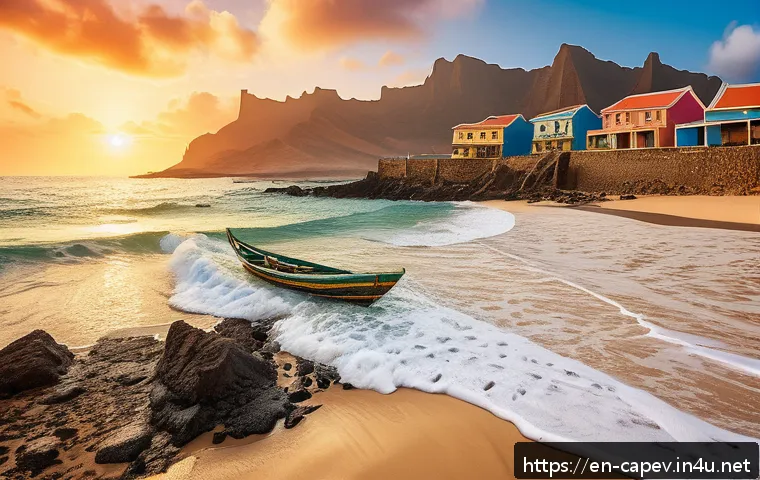
Hey there, fellow adventurers and dreamers! Ever found yourself scrolling through breathtaking photos of turquoise waters, volcanic landscapes, and vibrant culture, thinking, “Could I actually live there?” Well, if you’re like me, Cape Verde has probably popped up on your radar more than once.
This stunning archipelago off the coast of West Africa is rapidly gaining popularity, not just as a holiday escape, but as a potential new home for expats, digital nomads, and those seeking a slower pace of life under the sun.
But let’s be real – the first question that usually pops into our minds, even before we start packing our swimsuits, is always about the finances, right?
“What’s the real cost of living in Cape Verde?”I’ve personally talked to so many people curious about making the leap, and I know from my own explorations that understanding the local economy, from rent to groceries and everything in between, is absolutely key.
It’s not just about the numbers on a spreadsheet; it’s about figuring out if your dream lifestyle there is truly sustainable. You see, while Cape Verde might seem more affordable than many Western countries at first glance, especially when comparing overall cost of living against places like the United States or the UK, there are nuances that can really surprise you.
For instance, locally sourced fresh fish and produce can be incredibly cheap and delicious, but imported goods or dining in tourist hotspots? That’s a different story entirely.
Plus, salaries often differ significantly from what many international visitors are used to, meaning that a budget-conscious approach is often the smartest move for long-term stays.
So, are you ready to uncover the ins and outs of daily expenses in this beautiful island nation? Let’s dive deeper and get into the nitty-gritty of budgeting for life in Cape Verde.
Getting Your Foot in the Door: Accommodation Realities
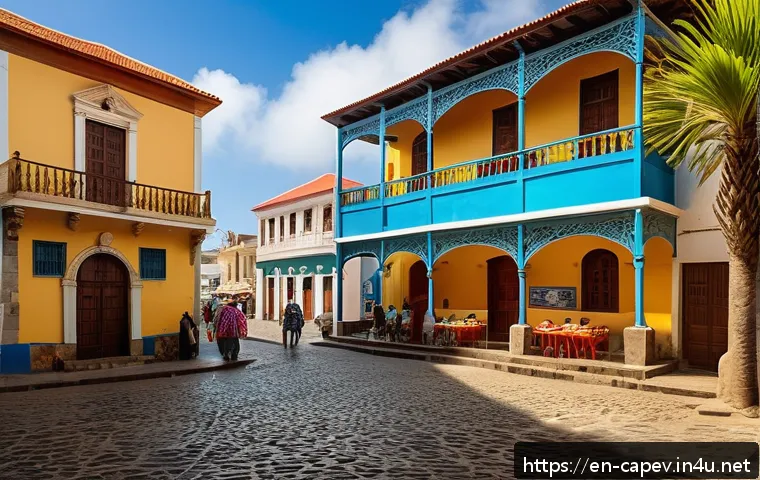
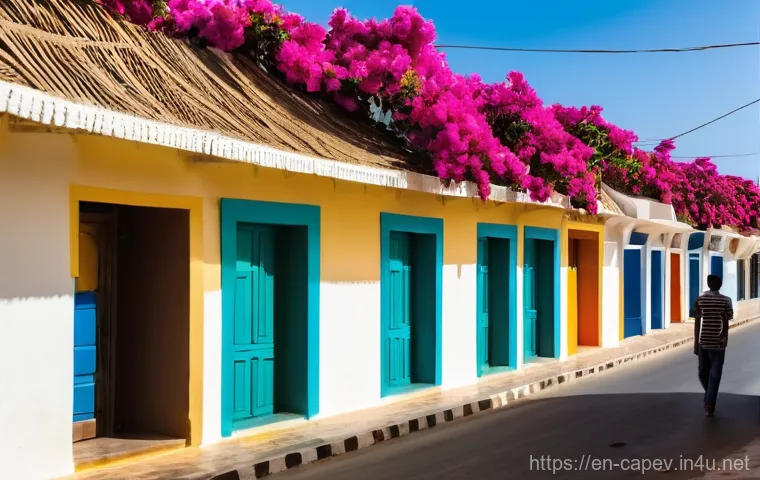
Okay, let’s talk about the big one – where you’ll lay your head at night, and what that’s going to cost you. My own journey of finding a place in Cape Verde was definitely an eye-opener. It’s not like searching on Zillow or Rightmove where everything is neatly categorized and readily available online. You often need to be on the ground, connecting with local agents or even just asking around, especially for long-term rentals. What I quickly learned is that the island you choose makes a massive difference. Sal and Boa Vista, being the major tourist hubs, tend to have higher prices, particularly for modern apartments or villas closer to the beaches. I remember looking at a cozy two-bedroom apartment in Santa Maria on Sal, and it was easily comparable to what I might pay in a smaller European city, especially if it was a short-term rental. If you’re willing to venture slightly off the main drag or explore islands like São Vicente or Santiago, you’ll find much more affordable options. My advice? Don’t expect to secure something perfect before you arrive; give yourself a couple of weeks to explore and negotiate. This isn’t a market where everything is fixed; there’s always room for a friendly chat and a good deal, especially if you’re looking to commit for six months or a year. It’s all part of the adventure, really, finding your own little slice of paradise without breaking the bank. The quality can also vary wildly, so always, always, always visit in person before signing anything. I’ve heard horror stories, but also seen incredible hidden gems.
Renting: What to Expect Across Islands
When you’re diving into the rental market here, prepare for a bit of a mixed bag. On islands like Sal or Boa Vista, especially in popular spots like Santa Maria or Sal Rei, a decent one-bedroom apartment near the beach could set you back anywhere from €400 to €800 per month. If you’re eyeing a multi-bedroom villa, you could easily be looking at upwards of €1000 to €1500, especially if it comes with a pool or sea view. My first place was a charming little spot in Mindelo on São Vicente, and for a two-bedroom, I was paying around €350 – a stark contrast to Sal. Santiago, particularly in the capital Praia, offers even more variety, with slightly lower prices for comparable properties, though the expat community might be a bit more dispersed there. Furnished apartments are common, which is a huge plus, but always double-check what’s included. Sometimes “furnished” just means a bed and a rickety table, other times it’s fully equipped down to the last spoon. I learned to ask very specific questions about appliances and utilities upfront. And remember, the further you are from the main tourist zones, the more bang you’ll get for your buck. It’s a trade-off: convenience versus cost. Personally, I found the slight inconvenience of being a bit further out totally worth the savings and the more authentic local experience.
Buying Property: A Long-Term View
For those of you thinking long-term, buying property in Cape Verde is definitely an option that many expats consider, and it’s something I’ve looked into quite a bit myself. The market has seen steady growth, particularly in the prime tourist areas, driven by European investment. You can find everything from small studio apartments starting around €60,000 to luxurious beachfront villas soaring into the hundreds of thousands. While the initial prices might seem attractive compared to Western Europe or North America, it’s crucial to factor in all the associated costs: legal fees, stamp duty, and potential maintenance, especially if you’re not planning to live there full-time and might want to rent it out. The process can be a bit slow and requires a good, trustworthy local lawyer – this is not an area where you want to cut corners! I’ve spoken to friends who’ve gone through the buying process, and they all emphasize patience and due diligence. The returns can be quite good if you pick the right location, but it’s a long-term play. It’s not a get-rich-quick scheme; it’s about investing in a lifestyle and a future in a place you truly love. And honestly, there’s something incredibly satisfying about owning a piece of this beautiful archipelago.
Navigating the Supermarket and Dining Scene
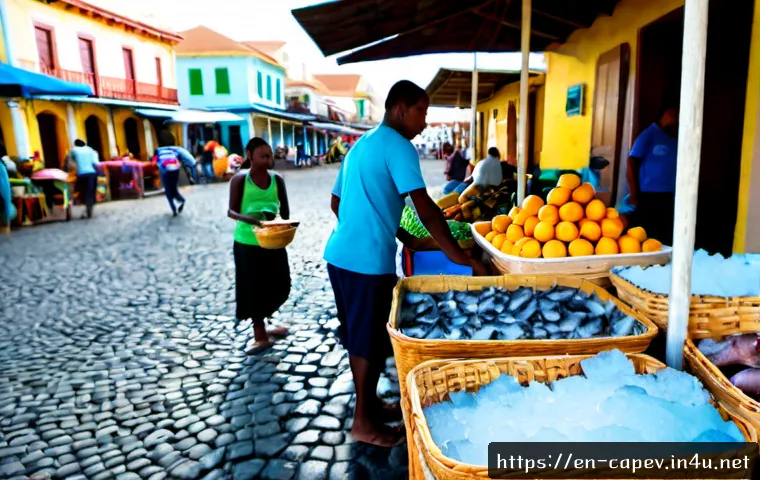
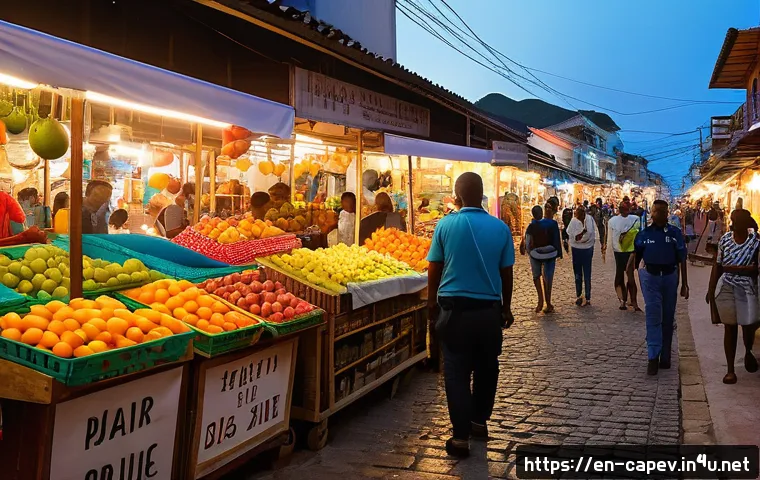
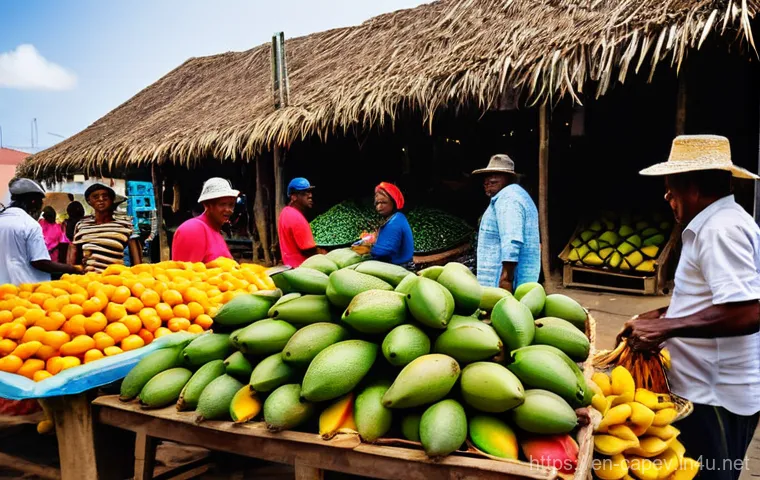
One of the things I absolutely adore about living in Cape Verde is the incredible fresh produce and seafood available, and how that impacts your grocery bill. If you’re savvy and stick to local markets for your fruits, vegetables, and the day’s catch, your food expenses can be surprisingly low. I remember my first trip to a local market, being completely overwhelmed by the vibrant colors and the friendly shouts of the vendors. A huge bag of fresh mangoes, papayas, and bananas would cost me just a few euros. Fresh fish, caught that very morning, can be had for a song. However, here’s where the nuance comes in: imported goods. If you’re craving your favorite brand of cereal, cheese, or processed snacks from back home, prepare to pay a premium. These items are often double or even triple the price you’d find in Europe or the US, simply due to import taxes and transportation costs. I quickly learned to adapt my cooking style, focusing on delicious local ingredients, and honestly, my palate has thanked me for it! Eating out is also a varied experience. Local eateries, often called ‘restaurantes’ or ‘tascas,’ offer hearty, delicious meals for very reasonable prices, usually around €5-€10 for a main dish. Tourist-oriented restaurants, especially those with prime beachfront locations, will naturally be more expensive, easily matching European prices. It’s all about finding that balance and knowing where the locals eat.
Grocery Shopping: Local vs. Imported
My weekly grocery run is a fascinating exercise in balancing desires and budget. For staple items like rice, pasta, eggs, and locally produced dairy, prices are quite reasonable. When it comes to fresh produce, the local markets (mercados) are your absolute best friend. I’ve found that the quality is superior, the prices are unbeatable, and it’s a wonderful way to interact with the community. You can haggle a bit, practice your Kriolu, and always leave with a smile. A week’s worth of fruits and vegetables for one or two people might only set you back €10-€20. Fish, especially tuna, wahoo, and various reef fish, is incredibly fresh and affordable directly from the fishermen or at the fish market. I’m talking about a whole fresh fish big enough for two meals for under €10! However, the moment you step into a larger supermarket, like a Kalu or a Spar, and start reaching for anything that screams “imported,” your bill starts to climb rapidly. Think about things like certain cuts of meat (beef can be pricey), specialty cheeses, olives, or even specific brands of coffee or chocolate. I’ve learned to pick my battles – some things I’m willing to pay for, others I’ve happily swapped for a local alternative. It’s about conscious consumption and appreciating what’s locally available, which is actually quite a lot!
Dining Out: From Local Bites to Tourist Hotspots
Eating out is one of life’s great pleasures, especially when you’re exploring a new culture, and Cape Verde offers a diverse culinary landscape. For me, discovering the tiny, unassuming local spots has been one of the highlights. These places, often family-run, serve up authentic Cape Verdean dishes like ‘cachupa’ (a hearty stew), fresh grilled fish, or ‘feijoada’ (bean stew) for prices that are incredibly friendly to your wallet. I’ve enjoyed full, satisfying meals for as little as €5-€8, sometimes even less. The portions are usually generous, and the atmosphere is always genuine and welcoming. On the flip side, if you head to the more upscale restaurants in tourist areas, perhaps along the main strip in Santa Maria or the marina in Mindelo, you’ll find prices that are more in line with what you’d expect in European cities. A nice dinner with a starter, main, and a drink could easily be €20-€40 per person. These places often cater to a different crowd, offer international cuisine alongside local specialties, and provide a more refined dining experience. My strategy? Mix it up! Enjoy a fancy meal as a treat, but make sure to dive into the local food scene regularly for an authentic taste of Cape Verde without breaking your budget. Trust me, your taste buds and your wallet will thank you.
Getting Around: Transport Costs
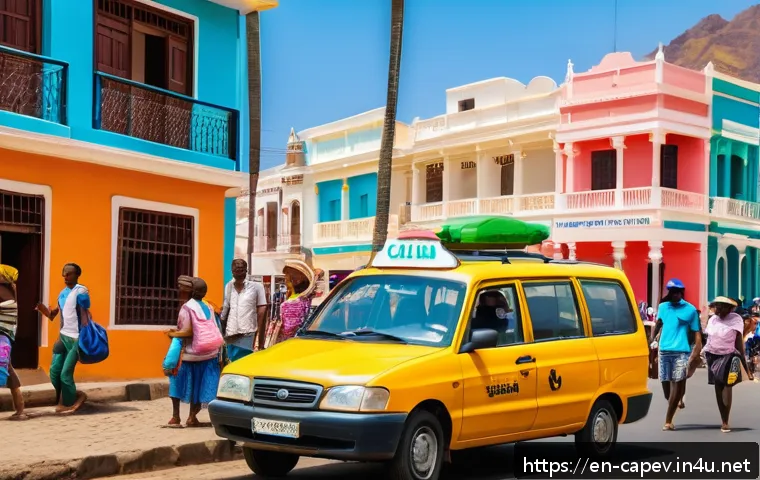
Navigating the islands of Cape Verde can be an interesting experience, and the cost of transport largely depends on where you are and how you prefer to travel. On smaller islands or within towns, walking is often the most enjoyable and cheapest option – plus, it’s a great way to explore and soak in the atmosphere. But for longer distances or between towns, you’ll definitely need some wheels. The local ‘aluguer’ system, shared taxis or minibusses, is truly the backbone of public transport here, and it’s incredibly affordable. I’ve taken countless aluguers, packed in with locals, and it’s always an adventure. A ride across a town might only cost you €1-€2, and even longer journeys between main towns on an island rarely exceed €5-€10. It’s a fantastic way to experience local life, though they often only leave when full, so a bit of patience is required. Taxis are also readily available, especially in tourist areas and cities, but they are significantly more expensive, especially if you don’t negotiate the fare upfront. Always agree on a price before you get in! Car rental is an option for those who prefer complete freedom, but it comes with its own set of considerations, including road conditions and insurance. Personally, I love the aluguer experience; it’s chaotic, friendly, and incredibly cost-effective.
Public Transport and Taxis
When it comes to getting from A to B without your own vehicle, Cape Verde’s public transport system, primarily composed of those ubiquitous aluguers, is your wallet’s best friend. These shared vans and cars crisscross the islands, connecting towns and villages. For instance, a trip from Espargos to Santa Maria on Sal in an aluguer usually costs a couple of euros. On Santiago, going from Praia to Assomada would be a similar small fee. They run frequently during the day, though less so in the evenings or on Sundays. You simply flag one down, and if there’s space, you hop in. It’s an efficient and budget-friendly way to get around, and I’ve had some of my most memorable conversations with locals while crammed into an aluguer! Taxis, on the other hand, offer more comfort and direct service but at a higher price point. In tourist areas, expect to pay a minimum of €3-€5 for even a short ride. An airport transfer to Santa Maria could be €15-€20. Always negotiate and confirm the price before you set off, as not all taxis have meters, and if they do, they might not always use them. Learning a few basic Kriolu phrases for numbers can really help here, making you feel more confident and less likely to be overcharged. My rule of thumb is to use aluguers for daily commutes and taxis for late-night returns or when I have a lot of luggage.
Car Rentals and Fuel Costs
For those who crave independence and want to explore every hidden cove and mountain trail, renting a car is a viable option, but it definitely adds a significant chunk to your monthly budget. Car rental prices vary depending on the island, the type of vehicle, and the rental period, but you can generally expect to pay anywhere from €30 to €60 per day for a small economy car. Long-term rentals might offer better daily rates. Remember to factor in insurance, which is often an additional cost and crucial in a country where road conditions can be unpredictable, especially outside of main towns. Fuel prices in Cape Verde are relatively stable but are comparable to, or even slightly higher than, many European countries. You’re looking at around €1.20 to €1.50 per liter for petrol. So, if you’re planning extensive road trips, those fuel costs can quickly add up. I’ve rented cars for specific excursions, like exploring the interior of Santiago or São Vicente, and it’s fantastic for accessing places that aluguers don’t reach directly. However, for daily commutes and sticking to major routes, the aluguer system is far more economical. Before committing to a rental, always check the vehicle thoroughly for any existing damage and ensure all paperwork is in order to avoid any disputes later on. It’s all part of the expat learning curve!
Staying Connected and Keeping the Lights On: Utilities and Internet
When you’re settling into a new place, figuring out the utilities can be one of the trickiest parts, and Cape Verde is no exception. Electricity and water bills here can sometimes be surprisingly high, especially if you’re not mindful of your consumption. This is partly due to the reliance on imported fuel for electricity generation and the challenges of water desalination on many of the arid islands. I remember my first few months, getting a shock when my electricity bill arrived – I quickly learned to be much more conscious about turning off lights, limiting air conditioning use, and taking shorter showers. Most homes will use gas cylinders for cooking, which are relatively inexpensive and last a good while. Internet is, thankfully, widely available and generally reliable in urban areas, though speeds might not always match what you’re used to in highly developed countries. Mobile data is also a very popular and often more cost-effective way to stay connected, especially if you’re a digital nomad on the go. It’s all about finding the right balance for your lifestyle and usage habits.
Electricity, Water, and Gas Essentials
Let’s get down to the nitty-gritty of keeping your home running. Electricity bills are probably where you’ll see the most variability. If you’re living in a small apartment and are conservative with your energy use, particularly air conditioning (which can be a huge power hog!), you might manage to keep your bill under €50-€80 a month. However, if you’re in a larger property, or if you’re someone who loves their AC on full blast, don’t be surprised to see bills upwards of €100-€150. Water, being a precious resource, especially on the drier islands, is also something to be mindful of. A typical monthly water bill for a couple might range from €20-€40, depending on usage. Gas, for cooking, is usually bought in refillable cylinders. A large cylinder might cost around €15-€20 and can last for several months, depending on how much you cook. I found that being very deliberate about energy consumption – unplugging chargers, using natural breezes instead of AC when possible, and taking efficient showers – made a real difference. It’s not just about saving money; it’s also about respecting the local resources and contributing to sustainable living here. It felt good to adapt and find smarter ways to live.
Internet and Mobile Connectivity
For me, as someone who relies heavily on the internet for work and staying connected with family, reliable connectivity was a top priority. Fixed-line internet, usually fiber optic or ADSL, is available in most urban and semi-urban areas. You can expect to pay anywhere from €30 to €60 per month for a decent home internet package, offering speeds that are generally sufficient for streaming, video calls, and regular browsing. The quality can vary, though, so it’s worth asking around your neighborhood for recommendations on providers. My personal experience has been quite positive; while not lightning-fast, it’s been stable enough for my remote work. Mobile data, however, is often the go-to for many, and it’s incredibly convenient. SIM cards are cheap and easy to acquire from providers like CV Móvel or Unitel T+. You can buy prepaid data bundles that offer surprisingly good value. For example, a generous data package might cost €15-€25 and last you for a month. I often use my phone as a hotspot when I’m out and about or if there’s a rare blip in my home internet. The coverage is generally good across the main islands, even in some more remote areas. It’s reassuring to know you can usually stay connected, whether you’re working from a café or just checking emails on a secluded beach.
Healthcare and Wellness: What to Expect

Healthcare is one of those essential considerations that can cause a bit of anxiety when moving abroad, and Cape Verde has its own distinct system. While there are hospitals and health centers on the main islands, the standard of care might not always be what you’re accustomed to in Western countries, especially for complex medical procedures. For routine check-ups, minor ailments, or emergencies, the local facilities can certainly provide basic care. I’ve personally visited a local clinic for a minor issue, and found the staff to be very kind and attentive, even if the facilities were simpler than I expected. However, for anything serious or specialized, many expats choose to travel to Portugal or their home country. This is why having robust international health insurance is absolutely non-negotiable if you’re planning to live here. It’s not just about covering potential medical bills; it’s about providing peace of mind knowing that if a major health event occurs, you have options for getting the best possible care, even if that means medical evacuation. Beyond formal healthcare, wellness practices are thriving, with many opportunities for outdoor activities, fresh food, and a generally relaxed pace of life that naturally contributes to well-being.
Accessing Medical Services and Insurance
When you’re settling into Cape Verde, understanding how to access medical services is key. Each major island has at least one hospital or larger health center, like the Hospital Agostinho Neto in Praia on Santiago or the Hospital Ramiro Figueira in Mindelo on São Vicente. Smaller towns and villages will have local health posts for primary care. For common illnesses or injuries, these facilities can provide adequate treatment. However, be prepared for potential language barriers if you don’t speak Portuguese or Kriolu, though English is often understood in tourist areas. The costs for consultations and basic treatments at public facilities are generally very low, sometimes just a few euros. There are also private clinics available, particularly in the larger cities, which offer a higher standard of care and often have English-speaking staff, but at a significantly higher cost. This brings me back to the absolute necessity of good international health insurance. It’s not just a recommendation; it’s a vital safety net. Policies that include emergency medical evacuation are particularly important, as specialized treatment might require transport to Europe. I spent a lot of time researching different providers and plans before I moved, and having that coverage truly alleviates a lot of potential stress, allowing you to enjoy your life here without constant worry about what-ifs.
Prioritizing Your Wellness in Paradise
Beyond the formal healthcare system, one of the greatest assets of living in Cape Verde is the inherent wellness lifestyle it offers. The warm climate encourages an active, outdoor life year-round. I’ve found myself walking more, swimming in the ocean almost daily, and embracing fresh air in a way I never did back home. The abundance of fresh, locally grown produce and incredibly fresh seafood means eating healthily can be both delicious and affordable. You’ll find fresh markets brimming with vibrant fruits and vegetables, and the fish markets are a daily testament to the ocean’s bounty. My diet has naturally become richer in whole foods and lean proteins, and I’ve felt the positive effects on my energy levels and overall well-being. Many islands also offer opportunities for yoga, surfing, kitesurfing, and hiking, providing fantastic ways to stay fit and mentally rejuvenated. The slower pace of life, the friendly community, and the constant presence of the ocean all contribute to a lower-stress environment. It’s a place where it feels natural to disconnect from the hustle and bustle and truly focus on self-care. For me, living here has been a holistic boost to my health – mind, body, and soul. It’s a genuine paradise for prioritizing your wellness without even trying too hard.
Leisure and Lifestyle: Enjoying Your Island Life
Living in Cape Verde isn’t just about managing costs; it’s about embracing a lifestyle, and that means factoring in how you’ll spend your leisure time. The good news is that many of the most enjoyable activities here are either free or very low cost. Think about spending your days lounging on pristine beaches, swimming in the crystal-clear ocean, or simply taking long walks along the coastline. These are daily luxuries that cost absolutely nothing. For those who love adventure, surfing, kitesurfing, and diving are incredibly popular, and while lessons or equipment rentals come with a fee, once you’re set up, the ocean is your playground. I’ve picked up kitesurfing since moving here, and while the initial investment in gear wasn’t small, the ongoing joy it brings is immeasurable. Nightlife, particularly in places like Santa Maria or Mindelo, can be vibrant, with live music, local bars, and discos. These can range from very affordable local spots where a beer costs a couple of euros, to more tourist-oriented venues with higher prices. It’s all about finding your tribe and your rhythm. My personal philosophy is to blend in, try local experiences, and balance those with the occasional indulgence. That way, you get the best of both worlds without blowing your budget on entertainment.
Embracing the Outdoors and Local Culture
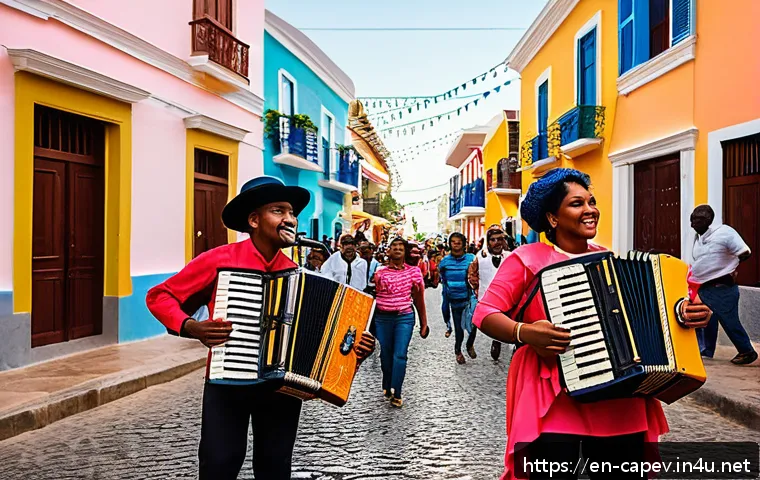
One of the absolute joys of calling Cape Verde home is the sheer abundance of outdoor activities available. Every day feels like an invitation to explore. Whether it’s hiking the volcanic landscapes of Fogo, exploring the lush valleys of Santo Antão, or simply finding a new, secluded beach on Sal, there’s always something to do that connects you with nature. These adventures are often free or involve minimal transport costs. For instance, catching an aluguer to a hiking trail on Santiago will only cost you a few euros. Snorkeling is practically a daily ritual for me, and all you need is a mask and snorkel. Beyond nature, immersing yourself in the local culture is a profound leisure activity. Attending local festivals, listening to live Morna or Coladeira music in a bar, or simply sitting in a ‘praça’ (town square) and people-watching are rich, authentic experiences that cost very little. I’ve found that the more you engage with the local community, the more fulfilling your leisure time becomes. Learning a few words of Kriolu, trying local dishes, and joining in on a street party – these are the moments that truly make living here special and affordable. It’s not about expensive entertainment; it’s about connection and authentic experiences.
Socializing and Entertainment Costs
When it comes to socializing, Cape Verde offers a wonderfully relaxed atmosphere. A casual night out with friends at a local bar (often called a ‘barraca’ or ‘tasca’) is incredibly affordable. A local beer might cost you €1.50-€2, and a glass of Grogue (local rum) can be even less. You can easily have a fun evening without spending a fortune. In the more tourist-centric areas, cocktails and imported spirits will naturally command higher prices, comparable to what you’d find in European holiday destinations, perhaps €5-€10 for a cocktail. Live music is a cornerstone of Cape Verdean culture, and you’ll often find incredible musicians performing in bars and restaurants, sometimes with no cover charge. If you’re into dancing, discos and clubs are present in the larger towns and can have a small entrance fee, typically a few euros. Cinema tickets are also relatively inexpensive if there’s a local theater. However, for many expats, the social life revolves around beach gatherings, potlucks, and shared meals, which are fantastic ways to connect and keep costs down. My experience has been that you can have a very rich and active social life here without constantly dipping into your savings, as long as you’re open to the local way of doing things rather than solely sticking to tourist traps. It’s a balance, like everything else, and it makes life here truly vibrant.
Crunching the Numbers: A Sample Monthly Budget
Alright, let’s get down to brass tacks and put some actual numbers to all this talk. I know when I was planning my move, having a rough idea of a monthly budget was absolutely invaluable, even though real life always throws a few curveballs. Keep in mind that these figures are estimates and will fluctuate based on your lifestyle, your chosen island, and how much you embrace local living versus relying on imported goods and tourist services. This isn’t a strict budget, but more of a guideline to help you visualize what a comfortable expat life in Cape Verde might look like for a single person or a couple living moderately. My aim here is to show that a good quality of life is certainly achievable without needing a mega-bucks income, especially if you’re smart about your choices. It really comes down to prioritizing what’s important to you and being flexible. For instance, if you’re a big foodie who loves dining out at fancy places every night, your food budget will look very different from someone who cooks at home and visits local markets frequently. This table should give you a starting point to customize your own financial plan for your Cape Verdean adventure.
| Expense Category | Estimated Monthly Cost (€) | Notes |
|---|---|---|
| Rent (1-bedroom apartment) | 350 – 700 | Varies greatly by island (Sal/Boa Vista vs. São Vicente/Santiago) and location (beachfront vs. inland). |
| Utilities (Electricity, Water, Gas) | 70 – 150 | Highly dependent on AC usage and water consumption. Gas is generally low. |
| Internet (Home Broadband) | 30 – 60 | Decent speeds available in urban areas; mobile data often used as alternative/supplement. |
| Groceries (Local & Some Imported) | 150 – 300 | Buying local from markets keeps costs down; imported goods add significantly. |
| Dining Out / Entertainment | 50 – 200 | Local restaurants are cheap; tourist-oriented places match European prices. |
| Local Transport (Aluguers) | 20 – 50 | Very affordable for daily commuting. Taxis much more expensive. |
| Mobile Phone (Prepaid Data/Calls) | 15 – 30 | Good value data bundles readily available. |
| Miscellaneous / Personal Care | 50 – 100 | Includes toiletries, household items, occasional purchases. |
| Health Insurance (International) | 50 – 150+ | Essential for comprehensive coverage, especially for emergencies and evacuation. |
| TOTAL ESTIMATE | 835 – 1840 | A rough guide for a moderate lifestyle, can be lower or higher based on choices. |
Personalizing Your Cape Verde Budget
As you can see from the table, there’s quite a range in the estimated monthly costs, and that really boils down to how you choose to live your life here. My own budget has evolved since I first arrived, becoming more efficient as I learned the ropes and discovered the best local spots. For example, by choosing a slightly older apartment further from the main tourist beach and committing to cooking most of my meals with fresh market produce, I’ve managed to keep my core living expenses comfortably low. However, I also set aside a budget for experiences – say, a weekend trip to another island, a diving excursion, or a nice dinner out once a week. These are the things that enrich my life here and make it truly special. It’s also crucial to remember to factor in initial setup costs: things like security deposits for rent, furniture if your place isn’t fully furnished, and perhaps some new beachwear! Don’t forget an emergency fund, too; it’s always wise to have a cushion for unexpected expenses or if you decide to travel. Ultimately, making a life in Cape Verde affordable is about embracing the local way of doing things, being resourceful, and understanding that ‘paradise’ doesn’t have to come with an exorbitant price tag. It’s a journey of discovery, and your budget will be a living document that adapts right along with you.
Maximizing Value and Enjoying the Experience
Living on an island nation like Cape Verde naturally comes with its unique economic landscape, and maximizing value here is an art form you quickly learn. I’ve found that the best way to make your money stretch further and genuinely enjoy your experience is to fully immerse yourself. Shop at the local markets, learn a few Kriolu phrases to connect with vendors and locals (it goes a long way!), and seek out the authentic, non-touristy experiences. Eating where the locals eat not only saves money but also provides a much richer cultural experience. Instead of constantly relying on taxis, embrace the aluguers – they’re part of the adventure! For leisure, the ocean and natural beauty are free and boundless. My favorite way to unwind costs nothing more than a walk on the beach at sunset or a swim in the warm Atlantic waters. Building a community with other expats and locals can also lead to shared activities, potlucks, and cheaper outings. Remember, the true richness of Cape Verde isn’t found in expensive imported goods or luxury services, but in its vibrant culture, stunning natural beauty, and the warmth of its people. By making conscious choices and adapting to the island rhythm, you’ll discover that living your dream here is not just possible, but also incredibly rewarding and surprisingly affordable.
Closing Thoughts
Well, we’ve covered a lot, haven’t we? From the nitty-gritty of finding a home to savoring the local cuisine and navigating life’s everyday logistics, settling into Cape Verde has been nothing short of an adventure for me. It’s a place that truly gets under your skin, challenging you in the best ways while constantly rewarding you with unparalleled beauty and genuine warmth. My hope is that sharing these insights, straight from my own experiences, gives you a clearer picture and maybe even a little boost of confidence as you consider your own island journey. It’s definitely not always sunshine and calm seas, but the moments of joy, discovery, and connection make every challenge absolutely worth it. This isn’t just a place to live; it’s a place to truly *experience* life, and I wouldn’t trade my time here for anything.
Useful Information to Know
Here are a few extra nuggets of wisdom I’ve picked up along the way that I wish someone had told me from the start. These aren’t just details; they’re key aspects that can really shape your experience and help you settle in smoothly. From handling your finances to understanding the local pace, these tips will put you one step ahead.
1. Embrace “No Stress”: This isn’t just a saying; it’s a way of life here. Things often move at a slower pace, and patience is truly a virtue. Whether you’re waiting for a bureaucracy process or a meal in a restaurant, try to relax and go with the flow. I quickly learned that pushing too hard often leads to more frustration than resolution. It’s an adjustment, but a wonderfully liberating one once you get used to it. Personally, it’s helped me unwind and appreciate the present moment so much more.
2. Learn Some Kriolu/Portuguese: While many people, especially in tourist areas, speak English, making an effort to learn a few basic phrases in Kriolu or Portuguese goes an incredibly long way. It opens doors, shows respect, and enriches your interactions with locals. Even a simple “Olá” (hello), “Obrigado/a” (thank you), or “Bom dia” (good morning) can bring a warm smile. I’ve found that my attempts, no matter how clumsy, are always met with encouragement, and it’s truly helped me feel more integrated into the community. It makes daily life so much richer.
3. Understand the Escudo (CVE): The local currency is the Cape Verdean Escudo, and it’s pegged to the Euro (1 EUR = 110.265 CVE). This means the exchange rate is stable and predictable, which is a huge relief when managing your budget. While Euros are accepted in many tourist spots, especially on Sal and Boa Vista, you’ll generally get a better deal and show more respect by paying in Escudos, particularly at local markets and smaller shops. Always carry small denominations, as change can sometimes be an issue for larger notes. I usually withdraw cash at ATMs, which are widely available in urban areas.
4. Stay Hydrated and Sun Protected: The Cape Verdean sun is glorious, but it’s also incredibly strong, especially with the constant breeze that can make you underestimate its power. Always carry water, drink plenty throughout the day, and wear high SPF sunscreen, a hat, and sunglasses. Dehydration and sunburn can quickly ruin a perfect day. I learned this the hard way during my first week, and now my water bottle and sun hat are my constant companions. It’s easy to forget when you’re having so much fun, but your body will thank you!
5. Be Mindful of Water Usage: Water is a precious resource on these islands, with much of it coming from desalination plants. Being conscious of your water consumption isn’t just about saving money on your utility bill; it’s an important part of living sustainably and respecting the local environment. Taking shorter showers, turning off the tap while brushing your teeth, and being mindful of leaks are small habits that collectively make a big difference. It’s a practice that truly connects you to the realities of island life and encouraged me to be more resourceful.
Key Takeaways
Alright, summing it all up! If you’re dreaming of making Cape Verde your home, remember these core principles: embrace flexibility, prioritize local living, and always seek out authentic experiences. This isn’t just about relocating; it’s about adopting a new rhythm, a new perspective, and a whole new appreciation for life. Being open to adaptation is your superpower here, whether it’s in how you find your accommodation, where you shop for groceries, or how you spend your free time. By choosing local options and immersing yourself in the culture, you’ll not only find that your money stretches further, but you’ll also unlock the true, vibrant essence of these beautiful islands. It’s a journey of discovery that’s profoundly rewarding, offering a rich life that feels genuinely lived. Trust me, it’s an adventure you won’t regret embarking on!
Frequently Asked Questions (FAQ) 📖
Q: What’s a realistic monthly budget for a single person hoping to live comfortably in Cape Verde?
A: Oh, this is the question I get asked all the time, and it’s a great one because “comfortable” can mean so many different things! From what I’ve seen and experienced, if you’re a single person looking to enjoy life without constantly pinching pennies, you should probably aim for a budget in the range of €800 to €1,200 per month, which is roughly $850 to $1,300 USD.
Now, hear me out – some sources say you can get by on less, and sure, if you live extremely locally, rarely eat out, and find a super cheap rental outside the main towns, you might squeeze by.
But for a truly comfortable experience, where you can afford a decent one-bedroom apartment, enjoy some meals out, cover your utilities, and maybe even have a bit left for adventures or emergencies, that higher range is a much safer bet.
Keep in mind that places like Sal and Boa Vista, being more tourist-centric, will naturally lean towards the higher end of this scale. In contrast, islands like Santiago or São Vicente might offer a bit more wiggle room in your budget, especially if you embrace the local lifestyle.
It’s all about balancing those delicious local finds with any imported comforts you might crave.
Q: How do typical expenses like rent, groceries, and utilities really stack up in Cape Verde compared to, say, the United States or the UK? Is it always cheaper?
A: That’s where the nuances really come into play, my friend! On the surface, Cape Verde is generally quite a bit more affordable than Western countries.
For instance, rent is a huge win here! I’ve seen one-bedroom apartments in city centers that are up to 68% to 79% cheaper than in the US or UK. You might find a furnished one-bedroom in a normal area for around €350-€700 per month, though in more touristy spots or for larger places, it could go up to €700-€1,500.
Now, groceries? This is where it gets interesting. Locally sourced fresh fish and produce can be incredibly inexpensive and absolutely delicious – I mean, seriously, the fish here is a game-changer!
But because Cape Verde relies quite a bit on imports, some basic food items and definitely any specialty international goods can actually be comparable to, or even pricier than, what you’d find back home.
My grocery bill for a month as a couple might be around $200-$400, but that really depends on how much I stick to local markets versus the supermarket.
And utilities? This is another spot where many people get surprised. Electricity, water, and internet can sometimes be relatively high, and I’ve found that they can actually be comparable to European costs, especially if you run air conditioning.
For a basic package including electricity, water, and garbage for a typical apartment, you could be looking at around $100-$150 per month, with internet adding another $40-$80.
So, while the overall cost is lower, it’s not universally cheaper across every single category, and those utility bills can definitely creep up if you’re not mindful.
Q: What’s the best way to get around the islands, and how much should I budget for transportation?
A: Navigating the islands is part of the adventure here, and thankfully, it can be pretty budget-friendly if you know the ropes! For daily commutes within towns, my absolute favorite way to get around is using the local minibuses, affectionately called “aluguers.” They’re incredibly cheap, often just a few euros for a ride, and they offer a truly authentic local experience – just hop in, and shout when you want to get off!
Taxis are also readily available, and while more expensive than aluguers, they’re still quite reasonable compared to Western prices. I’d say budgeting around $5-$10 a day for local transport using aluguers and occasional taxis is pretty solid, but if you’re mostly relying on taxis, it could easily be $20-$50 a month.
Now, if you’re dreaming of island hopping (and trust me, you absolutely should!), you’ve got a couple of options. Ferries connect most of the main islands and are a more economical choice, typically ranging from €10 to €50 one-way.
Just be prepared for potential delays and less regular schedules, especially during the low season. For quicker travel, local airlines like TACV operate domestic flights between the islands, with fares usually between €50 and €150 one-way.
I’ve found that buying these tickets in Cape Verde can sometimes be cheaper. Personally, I factor in a flexible amount for inter-island travel, perhaps €50-€150 per month if I’m doing a lot of exploring.
It’s a balance of time, cost, and how much “no stress” you want in your journey!