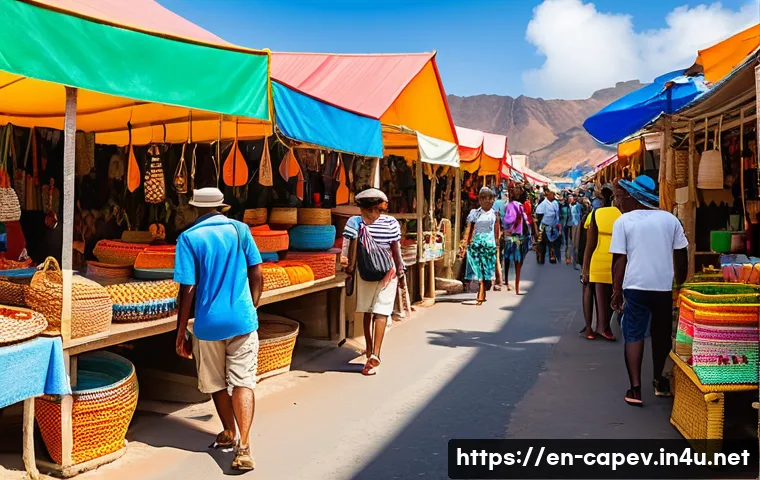
Traveling to Cape Verde offers stunning beaches and vibrant culture, but like any destination, it’s important to stay aware of safety concerns. Visitors might encounter petty crimes such as pickpocketing or scams, especially in crowded tourist areas.

Understanding local risks and taking simple precautions can make your trip much more enjoyable and worry-free. I’ve found that being informed ahead of time really helps in navigating unfamiliar places smoothly.
Let’s dive into the details below to make sure your Cape Verde adventure stays safe and memorable!
Staying Alert in Bustling Tourist Spots
Recognizing Common Street Scams
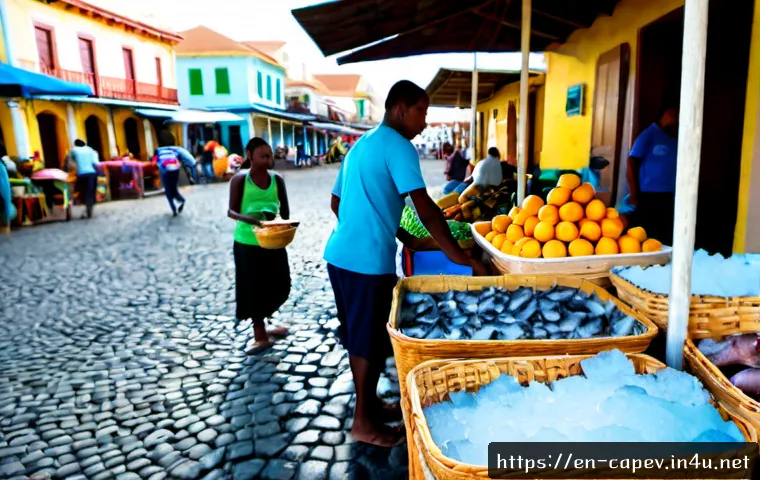
When you’re wandering through lively markets or popular beaches in Cape Verde, you might notice some locals approaching with offers that seem too good to be true.
From unofficial tour guides to street vendors selling “authentic” crafts, these situations can sometimes turn into scams where prices skyrocket once you show interest.
In my experience, politely declining and walking away is the best way to avoid getting caught up in these schemes. Always remember that if something feels off, it probably is.
Being confident and aware of your surroundings helps you maintain control and keeps the experience enjoyable.
Protecting Your Valuables in Crowds
Crowded areas like ferry terminals, festivals, or city centers are hotspots for pickpockets. I learned this the hard way when a friend’s wallet disappeared during a busy street event.
To prevent such incidents, using anti-theft backpacks or money belts hidden under your clothes can be a game changer. Keeping your phone and wallet in front pockets instead of back pockets is a simple but effective tip.
Also, avoid flashing expensive gear or large amounts of cash in public; it’s a magnet for unwanted attention. Staying vigilant and traveling light makes a huge difference.
How to Handle Unwanted Attention
Sometimes, you may experience persistent sellers or overly friendly strangers trying to engage you in conversation or push products. While many are harmless, it can get overwhelming or uncomfortable.
From my own travels, I’ve found that a firm but friendly “no, thank you” works best. If the situation escalates, moving to a nearby café or store where others are present usually diffuses tension.
Remember, your safety is more important than being polite in these moments. Trust your instincts and don’t hesitate to seek help if needed.
Choosing Safe Transportation Options
Reliable Taxi Services vs. Informal Rides
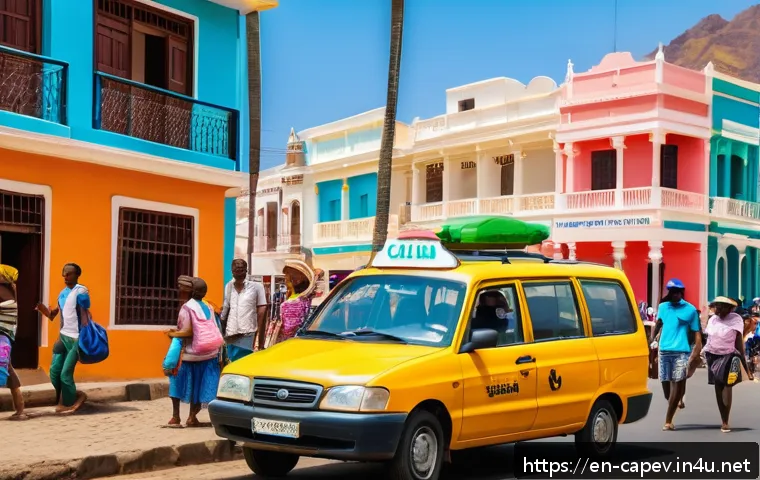
Getting around Cape Verde can be an adventure in itself, but it’s crucial to pick trustworthy transportation. Official taxis with meters or fixed rates are preferable over informal rides offered by strangers.
I once tried an unlicensed taxi that took a longer route to hike up the fare, which was frustrating and avoidable. Before hopping in, always agree on the price or ensure the meter is running.
Using apps or hotel-recommended services adds an extra layer of security and peace of mind.
Beware of Overcrowded Public Transport
Public minibuses, known locally as “aluguer,” are an inexpensive way to travel but can get very crowded and chaotic. While generally safe, pickpocketing is more common in these cramped spaces.
I recommend keeping your belongings close and avoiding rush hours if possible. If you’re carrying valuables, try to stay near the driver or in well-lit areas inside the vehicle.
It’s a good idea to ask locals about safe routes and peak times for public transport to plan your journey better.
Renting Scooters and Cars Safely
For those who prefer exploring on their own, renting scooters or cars is popular. However, unfamiliar roads and local driving customs can pose risks. When I rented a scooter, I made sure to inspect it thoroughly and wear protective gear.
Always choose reputable rental companies and confirm insurance coverage. It’s also wise to avoid driving after dark, as some roads lack proper lighting and signage.
Taking these precautions ensures your freedom to explore without unnecessary danger.
Understanding Local Neighborhoods and Where to Stay
Picking Accommodation in Safe Areas
Not all neighborhoods in Cape Verde are created equal when it comes to safety. Tourist hubs like Santa Maria on Sal Island are generally secure with plenty of amenities, while some less-developed areas might require extra caution.
When booking accommodation, read recent traveler reviews and check for security features like gated access or 24-hour reception. I personally prefer staying in guesthouses or hotels with a good reputation, which makes a big difference in feeling comfortable after a long day of sightseeing.
Nighttime Safety Tips Around Your Stay
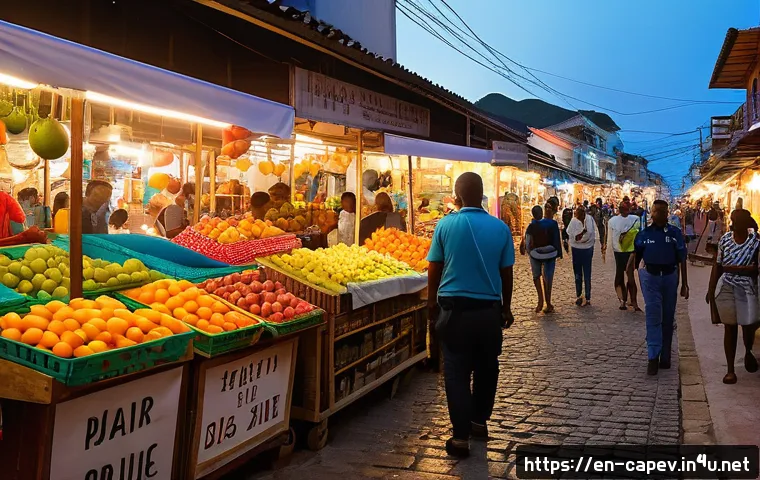
Even if your lodging is in a safe area, nighttime outings can present different challenges. Streets may be dimly lit, and fewer people around can make you a target.
From what I’ve experienced, sticking to well-lit and populated routes at night is key. Avoid walking alone in isolated areas, and if possible, use a trusted taxi to get back to your accommodation.
Also, inform your hosts about your plans, as they often provide valuable local advice and can arrange safe transport for you.
Engaging with Locals Respectfully
Cape Verdeans are warm and welcoming, but respecting cultural norms is essential for smooth interactions. Simple gestures like learning a few words in Crioulo or Portuguese can go a long way.
When visiting neighborhoods, be mindful of local customs and avoid intrusive behavior such as taking photos without permission. Building positive rapport not only enhances your experience but also contributes to your safety, as locals are more likely to help if you treat them with respect.
Practical Tips for Handling Emergencies
Knowing Emergency Contacts and Services
Before traveling, I always jot down important phone numbers and addresses. In Cape Verde, the general emergency number is 112. It’s handy to know the location of the nearest hospital or police station relative to your accommodation.
Keep these numbers saved on your phone and on a physical card in your wallet. Being prepared reduces panic during unexpected situations and allows you to act quickly when help is needed.
Dealing with Lost or Stolen Documents
Losing your passport or ID can quickly turn a trip upside down. If this happens, report it immediately to the local police and your embassy or consulate.
I once had a friend who lost his documents and found that staying calm and following official procedures expedited the replacement process. Always carry photocopies of your passport and visas separately from the originals.
This small step can save you a lot of trouble if the worst occurs.
Health Precautions and Medical Care
Cape Verde has decent medical facilities in urban centers, but more remote islands might have limited access. To avoid health emergencies, drink bottled water, use sunscreen, and protect yourself against mosquitoes.
I always carry a basic first aid kit and any personal medications when traveling. If you do need medical attention, seek out clinics recommended by your hotel or fellow travelers.
Having travel insurance that covers medical evacuation is also a wise investment.
Staying Connected and Informed
Using Mobile Networks and Internet Safely
Staying connected is essential for navigation and safety alerts. Cape Verde offers several mobile providers with affordable prepaid SIM cards. When I arrived, purchasing a local SIM gave me reliable data access, which was invaluable for checking maps and contacting accommodations.
Avoid using public Wi-Fi for sensitive transactions unless you have a VPN, as unsecured networks increase the risk of cyber theft.

Keeping Up with Local News and Weather
Weather changes can impact travel plans, especially during the rainy season. Following local news sources or apps helps you stay ahead of storms or transport disruptions.
I found that checking the forecast daily allowed me to plan excursions accordingly and avoid getting stranded. Additionally, local radio stations often broadcast important announcements that can affect your safety.
Joining Travel Forums and Communities
Before and during your trip, engaging with online forums or social media groups focused on Cape Verde travel can provide real-time advice and warnings.
I’ve learned about safe spots, hidden gems, and current risks from fellow travelers’ firsthand experiences. Being part of such communities makes your journey more informed and less isolated, especially if unexpected issues arise.
Summary of Safety Precautions in Cape Verde
| Risk | Recommended Precaution | Personal Tip |
|---|---|---|
| Pickpocketing in crowded areas | Use anti-theft bags, keep valuables in front pockets | Stay alert and avoid distractions like phone use in busy spots |
| Street scams and unofficial guides | Politely decline unsolicited offers, use official services | Confirm prices upfront to avoid surprises |
| Unlicensed taxis | Use official taxis or hotel-recommended rides | Agree on price before trip or insist on meter usage |
| Nighttime walking in dim areas | Stick to well-lit, populated routes or take a taxi | Inform hosts of your plans for extra security |
| Lost documents | Carry photocopies separately, report loss immediately | Keep embassy contacts handy |
| Health risks | Drink bottled water, use mosquito repellent | Carry a first aid kit and travel insurance |
Smart Packing to Avoid Hassles
Choosing the Right Bag and Accessories
Packing light and smart can significantly reduce your chances of losing items or attracting thieves. A crossbody bag with secure zippers and multiple compartments works best for day trips.
From my experience, having a small pouch inside for passports and cash adds an extra layer of safety. Avoid flashy jewelry or expensive gadgets that may invite unwanted attention.
Essential Items for Safety and Comfort
Besides your regular travel gear, I recommend including a portable charger, a whistle for emergencies, and a small flashlight. These items came in handy during unexpected power outages or when navigating dark streets.
Also, packing a reusable water bottle with a built-in filter can prevent health issues related to water quality.
Clothing Considerations for Safety
Wearing comfortable, weather-appropriate clothing that blends in with the local style helps you avoid standing out as a tourist. I found that neutral colors and breathable fabrics not only keep me comfortable but also reduce the risk of being targeted.
Sturdy shoes are a must for exploring uneven terrain safely.
Building Confidence Through Preparation
Researching Before You Go
Taking time to learn about Cape Verde’s customs, language basics, and geography before arriving made me feel much more at ease. Knowing what to expect reduces anxiety and helps you respond calmly in unfamiliar situations.
I suggest reading recent travel blogs, watching videos, and checking government travel advisories for the latest updates.
Practicing Situational Awareness
Once on the ground, staying aware of your environment is your best defense. This means scanning crowds, noting exits in buildings, and keeping track of your belongings at all times.
I developed a habit of occasionally glancing behind or scanning around when in busy spots, which kept me alert without being paranoid.
Trusting Your Instincts
No guidebook can replace your own gut feeling. If a place or person makes you uneasy, it’s okay to walk away or seek help. I’ve learned that trusting my instincts has prevented me from walking into potentially risky situations.
Safety isn’t about fear—it’s about respect for your own well-being and knowing when to act.
Respecting the Environment and Community
Supporting Ethical Tourism
Choosing tours and vendors who respect the local environment and culture enriches your experience and benefits the community. I always ask if companies follow sustainable practices and avoid activities that exploit wildlife or damage nature.
This mindset not only keeps you safe but also ensures Cape Verde remains beautiful for future travelers.
Minimizing Environmental Impact
Simple habits like disposing of trash properly, conserving water, and avoiding single-use plastics go a long way. During my stay, I carried a reusable bag and refillable bottles, which helped reduce waste.
Being mindful of your footprint shows respect for the island’s delicate ecosystem.
Engaging in Cultural Exchange
Taking time to learn about local traditions and participating in community events fosters mutual respect. I found that locals appreciate genuine interest and openness, which enhances personal safety and makes your trip more meaningful.
Sharing stories and smiles breaks down barriers and creates lasting memories.
Closing Thoughts
Traveling in Cape Verde offers unforgettable experiences, but staying safe requires a bit of awareness and preparation. By understanding local customs, choosing secure transportation, and protecting your belongings, you can enjoy your trip with peace of mind. Remember, confidence and respect go a long way in making your journey both safe and rewarding.
Useful Tips to Keep in Mind
1. Always keep your valuables close and use anti-theft accessories when in crowded places to prevent pickpocketing.
2. Politely decline unsolicited offers and verify prices upfront to avoid falling victim to street scams.
3. Opt for official taxi services or trusted ride recommendations to ensure safe and fair transportation.
4. Stick to well-lit, busy areas during nighttime and inform someone you trust about your plans.
5. Carry copies of important documents separately and know emergency contacts before traveling.
Key Takeaways for a Safe and Enjoyable Trip
Prioritize your safety by staying alert in busy tourist areas and trusting your instincts when situations feel uncomfortable. Choose accommodations in secure neighborhoods and use reputable transportation options to avoid common pitfalls. Preparing for emergencies and respecting local culture not only protects you but enriches your overall travel experience. Ultimately, thoughtful planning combined with situational awareness will help you explore Cape Verde confidently and responsibly.
Frequently Asked Questions (FAQ) 📖
Q: What are the most common safety concerns for tourists visiting Cape Verde?
A: The most frequent issues travelers face in Cape Verde are petty crimes like pickpocketing and small scams, especially in busy tourist spots and markets.
These incidents usually happen when people are distracted or carrying valuables openly. It’s less about violent crime and more about staying alert in crowded places to avoid becoming an easy target.
Q: How can I protect myself from scams and theft while exploring Cape Verde?
A: From my experience, simple precautions go a long way. Keep your belongings close, use a money belt or a secure bag, and avoid flashing expensive items like cameras or jewelry.
Also, be cautious when dealing with strangers offering unsolicited help or deals that sound too good to be true. Sticking to well-known areas and traveling in groups can also reduce risks.
Q: Is it safe to walk around at night in Cape Verde?
A: While some parts of Cape Verde are generally safe after dark, it’s best to exercise extra caution. Avoid poorly lit or isolated areas and consider using reputable taxis or arranged transport after sunset.
Locals often advise against wandering alone at night, and following this advice helped me feel more secure during my visits.