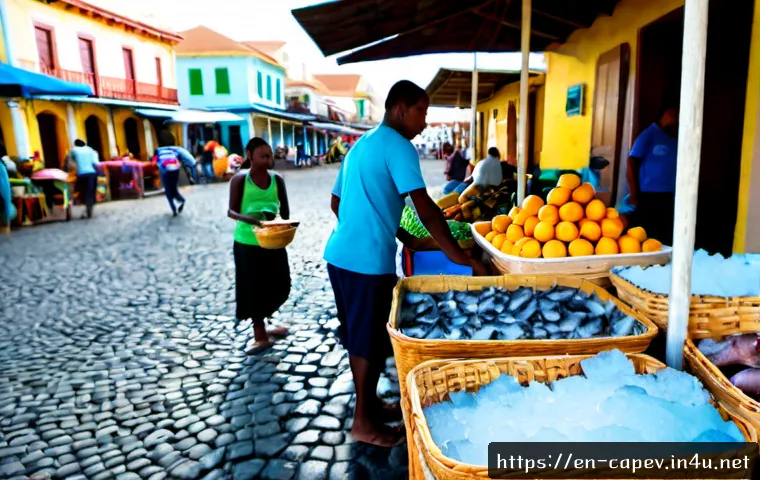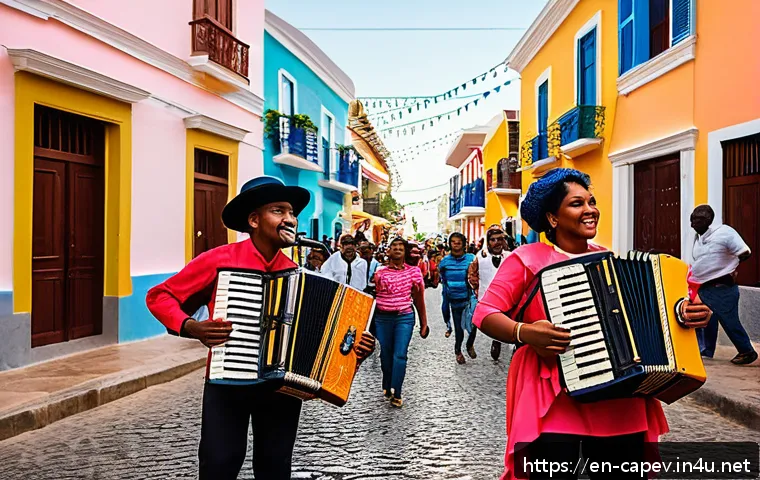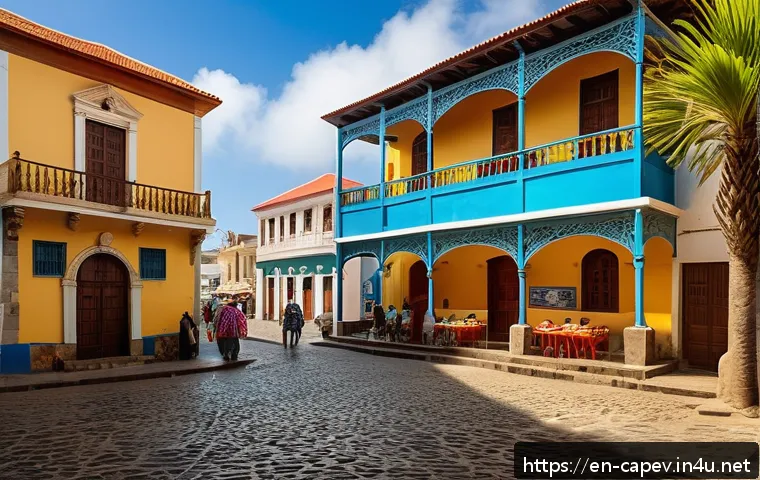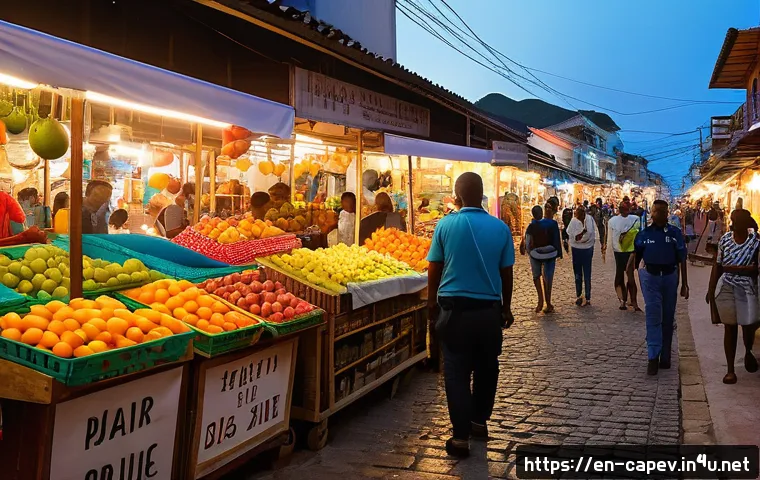
Oh, the sheer joy of planning an escape to a truly breathtaking destination! I know that feeling all too well, picturing yourself on pristine beaches with turquoise waters, soaking up a vibrant culture that’s just a little bit off the well-trodden path.
Cape Verde, an archipelago gem shimmering in the Atlantic, has absolutely exploded in popularity lately, and for good reason – it’s a paradise offering everything from serene relaxation to thrilling adventures.
But let’s be honest, even the most exciting travel dreams can hit a snag when you start thinking about the nitty-gritty: “Do I need a visa? How complicated is it going to be?” I remember stressing over similar details before my first big trip!
The good news is, for many of us, getting to Cape Verde has become surprisingly straightforward, often involving a simple online registration and airport security tax rather than a full-blown visa application for shorter stays.
Plus, for those dreaming of a longer island work-and-life balance, the relatively new Digital Nomad Visa is a game-changer, perfectly tapping into our modern remote working lifestyle.
Navigating these requirements can feel a little daunting, but trust me, getting the right, up-to-date information is key to a smooth journey. We’re going to accurately dive into everything you need to know to make your Cape Verde travel plans a breeze.
Navigating Your Entry: Beyond the Traditional Visa

Okay, so let’s cut to the chase about getting into Cape Verde. Forget the old-school image of complicated visa applications for every single destination. Cape Verde has really streamlined things, and for most short-term visitors, it’s far simpler than you might imagine. I remember planning my first trip, stressing over stacks of forms and embassy visits. Honestly, those days are largely behind us for this incredible archipelago, which is such a relief when all you want to do is picture yourself on a beach with a delicious caipirinha! The key is understanding the distinction between a full visa and what’s often required now, which is generally an online pre-registration and a security tax. This change makes spontaneous trips or quick getaways much more feasible, letting you focus more on packing your swimwear and less on paperwork. It’s all about smooth sailing from the moment you decide to visit until your feet hit the warm sand. Trust me, having this clear understanding upfront can save you a ton of last-minute worry and ensure your trip starts off on the right note.
Understanding the Entry Requirements for Short Stays
For many travelers from countries like the US, UK, Canada, and most EU nations, a traditional visa for short stays (up to 30 days) isn’t usually necessary anymore. Instead, Cape Verde has implemented an Entry Authorisation Security Tax, or EAS, system. This means you typically register your details online *before* you travel, pay a small security tax, and you’re good to go. It’s not quite a visa-on-arrival situation, so don’t just show up expecting to handle everything at the airport, as that can lead to unnecessary delays or even issues with boarding your flight. I’ve heard stories of people getting caught out by this, and it’s a real bummer when your holiday anticipation turns into airport stress. My advice? Always check the official government portal or a reputable travel advisory website a few weeks before your departure. Entry requirements, especially for international travel, can shift, and being prepared is half the battle. This system is designed to make things easier for tourists while also ensuring national security, a balance I think they’ve struck pretty well. Just a few clicks online and you’re set for paradise!
The EASE of the EASE (Entry Authorisation Security Tax)
Let’s talk about the EAS – it’s genuinely designed to be straightforward. You’ll usually head to an official government website, input your passport details, flight information, and where you’ll be staying. The process typically involves a small fee, which covers the security tax. Once approved, you’ll receive a confirmation, which you should print out or save on your phone, ready to present with your passport upon arrival. I always keep a digital copy in my email and a physical printout in my travel documents, just in case my phone decides to die mid-journey! It’s a bit like an Electronic Travel Authorization (ETA) or Electronic System for Travel Authorization (ESTA) that some other countries use. The beauty of this system is its efficiency; it cuts down on waiting times at the airport and simplifies the pre-travel checklist. Most of the time, you’ll get your confirmation within a few days, but I always recommend applying at least a week or two in advance, just to give yourself a buffer and avoid any last-minute panic. This small step ensures your entry into Cape Verde is as smooth and hassle-free as possible, letting you dive into your holiday vibe without any hitches.
Unlocking Longer Stays: The Digital Nomad Dream
For those of us who’ve embraced the remote work revolution, the thought of swapping our home office for a beachfront view is beyond tempting. And Cape Verde has heard our call! They’ve introduced a Digital Nomad Visa, and honestly, it’s a game-changer for anyone dreaming of a longer, more immersive experience in this stunning archipelago. I remember years ago, trying to figure out how to extend a trip beyond a typical tourist visa, and it always felt like navigating a bureaucratic maze. The arrival of dedicated digital nomad programs in places like Cape Verde makes such aspirations genuinely achievable. It’s not just about a change of scenery; it’s about a complete lifestyle shift, allowing you to truly sink into the local culture, explore every hidden cove, and find your favorite little café without the pressure of a ticking clock. This visa acknowledges the modern way we work and play, offering a legitimate pathway to live and work from paradise. It’s truly exciting to see countries adapt to the global workforce, and Cape Verde is certainly leading the charge in offering an attractive option for us remote professionals.
Who Qualifies for the Digital Nomad Visa?
So, you’re wondering if you can qualify for this slice of remote work heaven? Generally, the Cape Verde Digital Nomad Visa is designed for individuals who can work remotely for companies or clients outside of Cape Verde. This means you’re not taking jobs away from locals, but rather bringing your international income and spending power into the local economy. Pretty neat, right? The typical requirements involve proving a stable income above a certain threshold – usually around €1,500 to €2,000 per month, though this can vary and it’s always best to check the absolute latest figures. You’ll also need valid health insurance that covers you during your stay and a clean criminal record. I always tell my friends that transparency and thoroughness in your application are key here; make sure every document is in order and clearly demonstrates you meet the criteria. It’s about showing you’re a responsible, self-sufficient individual who will contribute positively to the Cape Verdean community during your extended stay. This isn’t just a vacation extension; it’s an opportunity to integrate and experience island life on a deeper level.
The Application Journey: What to Expect
Applying for the Digital Nomad Visa, while more involved than the short-stay EAS, is surprisingly straightforward if you’re organized. The process usually starts with an online application where you upload all your supporting documents: passport copies, proof of income (bank statements, employment contracts, client invoices), health insurance details, and a clear background check. You might also need to write a short statement explaining your intentions for living and working in Cape Verde. After submitting your application and paying the fee, there will be a processing period. From my own experience with similar applications, patience is a virtue here! It’s not an instant approval, so plan ahead and give yourself ample time. Once approved, you’ll typically receive a temporary visa or authorization that allows you to enter Cape Verde, and then you’ll complete the final steps, possibly including an in-person registration, after you arrive. This could involve getting a local tax number or registering with the immigration authorities. It’s a structured path, and while it requires a bit more effort than a short holiday, the reward of living and working in such an incredible location truly makes every step worthwhile. It’s an investment in an experience that goes far beyond the typical tourist itinerary.
Beyond Paperwork: Preparing for Your Cape Verde Adventure
While sorting out your entry requirements is crucial, remember that a smooth journey is also about what happens *after* you clear immigration. Think about it – you’ve envisioned yourself sipping a drink by the ocean, not scrambling for the right adaptor or frantically searching for an ATM. Preparing for the practicalities of your trip truly enhances the entire experience. It’s like packing a picnic; you don’t just bring the food, you bring the blanket, the cutlery, and everything else that makes the meal enjoyable. I’ve learned the hard way that a little foresight goes a long way in avoiding those tiny travel frustrations that can momentarily dim your holiday glow. From making sure your phone will work to understanding local emergency services, these seemingly small details build up to a truly relaxing and stress-free trip. Taking the time to consider these aspects means you can hit the ground running, fully immersed in the beauty and culture of Cape Verde from day one, without any unnecessary distractions.
Essential Documents to Keep Handy
Beyond your passport and visa/EAS confirmation, there are a few other documents you absolutely should have readily accessible. Always carry copies of your passport and visa/EAS, either physical or digital, separate from your originals. I usually have a printed set in my main luggage, a digital copy on my phone, and another saved to cloud storage. This way, if something goes missing, you’re not completely stranded. It’s also wise to have copies of your flight itinerary, hotel reservations, and travel insurance policy. If you’re renting a car, don’t forget your driving license and an international driving permit if your home country’s license isn’t recognized there. And here’s a tip from personal experience: write down important contact numbers (hotel, local embassy, emergency contacts) on a piece of paper, just in case your phone battery dies or you lose it. In the age of smartphones, we often rely too heavily on them for everything, but a physical backup can be a lifesaver in an emergency. These simple precautions can make a world of difference if you encounter an unexpected hiccup during your travels.
Health and Safety Considerations
Your well-being is paramount, so let’s chat about health and safety. While Cape Verde is generally safe, it’s always smart to be prepared. Consult your doctor about any recommended vaccinations well before your trip; common ones might include Tetanus, Hepatitis A, and Typhoid, but this varies based on your travel history and where you’re coming from. Malaria risk is low in most areas, but do check the latest advice for the specific islands you plan to visit, and pack insect repellent with DEET. Comprehensive travel insurance is a non-negotiable for me. Make sure it covers medical emergencies, trip cancellations, and lost luggage. I’ve personally seen how travel insurance can save you from a huge financial burden when unexpected things happen, like a sprained ankle or a flight delay. Always carry any prescription medications in their original packaging with a copy of your prescription. And, of course, stay hydrated, especially in the warm climate, and use plenty of sunscreen. Practicing basic safety precautions, like being aware of your surroundings, especially in crowded areas, and keeping valuables secure, will ensure your adventure remains joyful and worry-free. It’s all about enjoying the beautiful islands responsibly!
Making Your Stay Seamless: Practical Tips and Local Insights
Alright, so you’ve got your travel documents sorted, your health and safety covered, and your bags are almost packed. What’s next? It’s about those practical tidbits and cultural nuances that truly transform a good trip into an amazing, unforgettable experience. I’ve found that the more I understand about a local destination’s everyday rhythm, the more comfortable and confident I feel exploring it. It’s the difference between merely visiting a place and actually feeling connected to it, even if just for a short while. When I first started traveling, I made my fair share of faux pas simply because I hadn’t done my homework on local customs. Now, I see it as part of the adventure, doing a little research to ensure I’m a respectful and appreciative guest. These small efforts really pay off, opening doors to more authentic interactions and a deeper understanding of the destination’s heart and soul. It’s about being street-smart and culturally sensitive, which ultimately makes your time there richer and more rewarding.
Currency and Connectivity: What You Need to Know
Let’s talk money and staying connected, two things that can definitely make or break your travel flow. The local currency in Cape Verde is the Cape Verdean Escudo (CVE). While you might see prices in Euros in some tourist areas, particularly on Sal and Boa Vista, the Escudo is the official currency. It’s always a good idea to have some local currency for smaller purchases, local markets, and places that don’t accept cards. ATMs are available in major towns, but it’s wise not to rely solely on them, as they can sometimes be out of service or run out of cash. I always carry a mix of cash and a travel-friendly credit card. For connectivity, don’t expect blazing fast Wi-Fi everywhere, especially outside of major hotels or cities. Local SIM cards are readily available from providers like Unitel T+ or CV Móvel, which can be a lifesaver for navigation and staying in touch. I usually pick up a local SIM upon arrival; it’s generally affordable and provides much better data coverage than relying on hotel Wi-Fi. Just ensure your phone is unlocked before you travel! Being prepared for slightly slower speeds or intermittent service will help manage your expectations and prevent any tech-related frustrations.
Cultural Etiquette for a Richer Experience
Immersing yourself in the local culture is one of the greatest joys of travel, and understanding basic etiquette goes a long way. Cape Verdeans are generally friendly and welcoming, and a little effort on your part will be greatly appreciated. A simple “Olá” (hello), “Obrigado/a” (thank you – ‘o’ for male, ‘a’ for female speaker), and “Por favor” (please) can open many doors. Dress codes are generally relaxed, especially in tourist areas, but do remember that outside of the beaches, modesty is appreciated. When visiting local villages or religious sites, a respectful attire is always a good idea. Bargaining might be expected in markets, but always do so respectfully and with a smile. The pace of life in Cape Verde is generally slower, often referred to as “no stress” or “morabeza,” which means hospitality and a relaxed approach to life. Embrace it! Don’t expect things to happen at a lightning-fast pace; patience is a virtue here. I’ve found that adopting this relaxed attitude significantly enhances my enjoyment of the islands. Engaging with locals, trying their food, and listening to their music truly enriches your journey and creates memories that last a lifetime.
Common Questions & Clearing Up Misconceptions

Travel information, especially when it comes to entry requirements, can sometimes feel like a tangled web of outdated articles and conflicting advice. I’ve been there, sifting through forum posts from five years ago, trying to figure out what’s current. It’s truly frustrating when you’re trying to plan a trip, and you encounter so much noise. That’s why I think it’s super important to address some of the most common questions and clear up any lingering misconceptions about visiting Cape Verde. The rules *do* change, and what was true last year might not be accurate today. My goal here is to give you the most up-to-date and reliable information possible, so you can make your travel decisions with confidence. Let’s bust some myths and get you the clear answers you need, ensuring your planning phase is as smooth as those pristine Cape Verdean beaches you’re dreaming of. It’s all about equipping you with the right knowledge to avoid any unexpected surprises at the airport or during your trip.
Visa on Arrival: A Reality Check
One common question I often hear is, “Can I just get a visa on arrival in Cape Verde?” The simple answer for many nationalities is: not exactly a traditional ‘visa on arrival’ in the sense you might be thinking of. While some countries used to offer this, Cape Verde has largely moved towards the online Entry Authorisation Security Tax (EAS) system for short stays. This means that while you might be able to *pay* the security tax at the airport if you absolutely haven’t done it online, it’s generally not recommended and can lead to significant delays, queues, and potential issues with your airline at check-in. Many airlines won’t even let you board without proof of pre-authorization. I always stress this point because showing up without pre-arrangements can turn an exciting arrival into a stressful ordeal. Think of the EAS as a mandatory pre-registration rather than a true visa-on-arrival. So, to ensure a hassle-free start to your holiday, please complete the online EAS process before you travel. It’s a small step that makes a huge difference in your arrival experience, allowing you to walk off the plane and straight into your island adventure.
Dispelling Myths About Entry Requirements
There are quite a few myths floating around about Cape Verdean entry requirements, and it’s time to set the record straight! One persistent myth is that you need a visa for *any* length of stay, no matter your nationality. As we’ve discussed, this isn’t true for many countries for short visits, thanks to the EAS system. Another misconception is that the Digital Nomad Visa is only for tech workers. While many remote workers are in tech, the visa generally applies to anyone who can prove a stable income from outside Cape Verde, regardless of their specific industry, as long as their work is location-independent. Some people also believe you need a specific invitation letter or sponsor, which is usually not a standard requirement for tourist entry or the Digital Nomad Visa, though having accommodation booked is essential. It’s crucial to rely on official government sources or reputable travel advisories for the most accurate and up-to-date information, rather than anecdotal stories or outdated blog posts. Always verify any information you find online against official channels. Doing so will help you navigate your travel plans confidently and avoid any last-minute surprises or unnecessary stress. Let’s make sure your journey is based on facts, not fiction!
Why Cape Verde is Worth the Effort
After all this talk about visas, taxes, and paperwork, you might be thinking, “Is Cape Verde really worth all this planning?” And my answer, with a resounding and enthusiastic YES, is absolutely! Trust me, I’ve traveled to many incredible places, and there’s something truly unique and captivating about Cape Verde that makes every bit of preparation worthwhile. It’s not just a collection of beautiful islands; it’s a vibrant tapestry of cultures, breathtaking landscapes, and an infectious ‘no stress’ attitude that will seep into your soul. From the moment you step off the plane, you’ll feel a sense of calm wash over you. The warm sun, the gentle ocean breeze, and the rhythmic beat of local music create an atmosphere that truly feels like an escape. It’s a place where you can genuinely disconnect from the daily grind and reconnect with yourself, nature, and the incredibly welcoming locals. Every island offers a different flavor, a new adventure, and a fresh perspective, making it a destination that keeps on giving. Don’t let the administrative bits deter you; the reward is truly immense.
Island Hopping and Hidden Gems
One of the absolute best things about Cape Verde is the opportunity for island hopping. Each island boasts its own distinct charm and character, offering a completely different experience. Sal and Boa Vista are famous for their stunning, expansive white-sand beaches, perfect for sunbathing, kitesurfing, and diving. If you’re into hiking and dramatic volcanic landscapes, Santo Antão will blow you away with its lush green valleys and towering peaks – it’s a hiker’s paradise! São Vicente, home to the vibrant city of Mindelo, is the cultural heart, brimming with music, art, and a lively nightlife that reminds me of Lisbon or Rio. Then there’s Fogo, with its active volcano, offering a truly unique opportunity to walk on lunar-like landscapes. I remember hiking up a caldera there, feeling like I was on another planet – an experience I’ll never forget! Exploring these islands means you can tailor your trip to your interests, whether it’s adrenaline-pumping water sports, serene relaxation, or deep cultural immersion. Don’t stick to just one; embrace the adventure of discovering each island’s hidden gems and unique stories. It’s an archipelago that truly rewards the curious traveler.
A Taste of Local Life and Cuisine
Beyond the stunning scenery, Cape Verde offers a rich cultural experience, especially through its food and music. The local cuisine is a delicious fusion of African and Portuguese influences, with fresh seafood taking center stage. You absolutely *have* to try “cachupa,” the national dish, a hearty stew made with corn, beans, and often fish or meat. I’ve had many variations of cachupa across the islands, and each one tells a story! Grilled fish, fresh from the ocean, is a staple, often served with local vegetables and rice. And don’t forget the local grogue, a potent rum made from sugarcane – best enjoyed in moderation, of course! But it’s not just the food; the music, known as Morna and Coladeira, is the soul of Cape Verde. You’ll hear it everywhere, from lively bars to quiet street corners. Spending an evening listening to live music, perhaps with a plate of fresh seafood, is an experience that truly captures the spirit of “morabeza.” Engaging with locals, trying their food, and letting the rhythms of the islands wash over you will give you a profound appreciation for this special place. It’s these authentic moments that make Cape Verde more than just a destination; it becomes a feeling, a memory you carry long after you’ve returned home.
| Requirement Type | Short-Stay (EAS) | Digital Nomad Visa |
|---|---|---|
| Purpose | Tourism, short visits (up to 30 days) | Remote work and extended stay (initially 6-12 months, renewable) |
| Application Method | Online pre-registration via official government portal | Online application with subsequent in-country registration |
| Key Documents | Passport, flight details, accommodation proof, security tax payment | Passport, proof of income (€1,500-€2,000+/month), health insurance, clean criminal record, accommodation proof |
| Processing Time | Typically a few days | Can take several weeks to months for initial approval |
| Flexibility | Limited to short tourist visits | Allows for longer stays, integration into local life, and flexible work |
Final Preparations: Before You Take Off
As your departure date for Cape Verde draws closer, the excitement probably starts to bubble up, right? I know that feeling all too well – a mix of eager anticipation and that slight, nagging thought, “Did I forget anything?” Even after all the planning and securing your entry documents, there are a few last-minute checks and smart packing strategies that can really elevate your travel experience from good to absolutely fantastic. Think of these final steps as the last brushstrokes on a masterpiece; they ensure everything is polished and ready for you to enjoy. It’s about minimizing those tiny inconveniences that can sometimes pop up and maximizing your ability to simply relax and soak in every moment of your well-deserved break. Trust me, a little bit of proactive thinking here can save you a lot of hassle once you’re on the islands, letting you fully embrace the ‘no stress’ vibe that Cape Verde is so famous for. So, let’s wrap up these final thoughts to ensure your journey is as smooth as possible!
Packing Smart for the Islands
When it comes to packing for Cape Verde, think light, versatile, and breathable. The climate is warm and sunny year-round, so focus on lightweight clothing like shorts, t-shirts, dresses, and plenty of swimwear. Don’t forget a wide-brimmed hat, sunglasses, and reef-safe sunscreen to protect yourself from the strong sun. Evenings can sometimes have a gentle breeze, so a light jacket or a long-sleeved top can be a lifesaver, especially if you plan on dining outdoors. If you’re planning on hiking, particularly on islands like Santo Antão or Fogo, sturdy walking shoes are absolutely essential. For exploring towns and beaches, comfortable sandals or flip-flops will be your best friend. I always throw in a quick-drying travel towel and a reusable water bottle to stay hydrated and reduce plastic waste. And a universal travel adaptor is a must for charging all your gadgets! Remember, less is often more when traveling between islands, so try to pack efficiently. Rolling your clothes instead of folding them can save a surprising amount of space, leaving room for those wonderful souvenirs you’re bound to pick up!
Last-Minute Checks for Peace of Mind
Before you lock the door and head to the airport, a few final checks can save you a world of stress. Double-check that your passport is valid for at least six months beyond your intended stay and that your EAS confirmation or Digital Nomad Visa is printed or easily accessible on your phone. Inform your bank and credit card companies of your travel dates to avoid any inconvenient holds on your cards due to ‘unusual’ activity. If you’re traveling with medication, ensure you have enough for your entire trip and carry a copy of your prescription. Set up an out-of-office reply for your work emails, if applicable, and let trusted friends or family know your itinerary. Charge all your electronic devices, download any offline maps or entertainment, and pack a portable power bank – a true travel essential! I always do a quick mental run-through of my entire journey, from leaving the house to arriving at my accommodation, just to ensure all the small details are covered. These little steps, often overlooked in the excitement, are key to ensuring your Cape Verdean adventure starts and unfolds without a single hitch, allowing you to immerse yourself fully in the island magic.
Wrapping Things Up: Your Cape Verde Adventure Awaits
And there you have it, folks! We’ve navigated the ins and outs of getting to and settling into the stunning archipelago of Cape Verde, from the initial entry authorizations to the exciting possibility of a digital nomad lifestyle. It might seem like a bit of groundwork, but trust me when I say that every moment spent preparing is an investment in an experience that will truly steal your heart. This isn’t just another beach holiday; it’s an opportunity to immerse yourself in a unique culture, explore diverse landscapes, and truly disconnect from the daily grind. So, take a deep breath, finalize those plans, and get ready to be charmed by the warmth of its people and the breathtaking beauty that awaits. Your Cape Verdean adventure is calling!
Useful Information to Know
1. Always Check Official Sources First: Entry requirements can change, so your very first stop should always be the official Cape Verde government immigration website or your home country’s foreign travel advisory. This ensures you have the most up-to-date and accurate information before you even book your flights.
2. Local SIM Cards are a Lifesaver: While hotels often offer Wi-Fi, it can be spotty. Grab a local SIM card from providers like Unitel T+ or CV Móvel upon arrival. It’s usually affordable and provides reliable data for navigation, staying in touch, and sharing those amazing island photos.
3. Cash and Cards: A Balanced Approach: Major tourist areas and larger establishments on islands like Sal and Boa Vista accept cards, but for local markets, smaller restaurants, or trips to more remote islands, having Cape Verdean Escudos (CVE) is essential. Don’t rely solely on ATMs; they can occasionally be out of service.
4. Embrace “Morabeza” (The No-Stress Vibe): Cape Verde runs on a more relaxed rhythm. Don’t expect things to happen at lightning speed. Practicing patience and embracing the local “no stress” philosophy will significantly enhance your enjoyment and allow you to truly soak in the island life.
5. Comprehensive Travel Insurance is Crucial: Whether you’re coming for a short holiday or an extended digital nomad stay, robust travel and health insurance is non-negotiable. It provides peace of mind for medical emergencies, trip cancellations, or any unforeseen incidents, allowing you to enjoy your trip worry-free.
Key Takeaways
For short stays (up to 30 days), most eligible nationalities require an online Entry Authorisation Security Tax (EAS) pre-registration, which is mandatory before arrival to ensure smooth entry. If you’re dreaming of a longer, immersive experience, the Digital Nomad Visa offers a fantastic pathway, requiring proof of stable remote income and health insurance. Regardless of your stay duration, meticulous preparation of your documents, understanding local customs, and taking health and safety precautions are paramount for a seamless and unforgettable Cape Verdean adventure. Don’t forget those essential items in your luggage and a positive, patient attitude!
Frequently Asked Questions (FAQ) 📖
Q: Do I really need a visa to visit Cape Verde for a quick vacation, or is there an easier way?
A: This is hands down one of the most common questions I get, and I totally understand why – nobody wants a last-minute scramble! The fantastic news for travelers from many countries, including the EU, UK, USA, Canada, and a good chunk of West African nations, is that you often won’t need a traditional visa for short stays, typically up to 30 days.
Phew! Instead, what you’ll likely need to do is register online through their EASE (Efficient, Automatic and Safe Entry) platform and pay an Airport Security Tax (TSA) well before you fly.
This process feels so much more streamlined than digging up passport photos and filling out endless forms, if you ask me. I’ve seen firsthand how much smoother it makes arrival, letting you skip straight to the sun and sand!
Always double-check your specific nationality’s requirements on the official government website before you book, though, just to be absolutely sure. It’s a little step that saves a huge headache later.
Q: Okay, so what exactly is this E
A: SE platform and the Airport Security Tax (TSA), and how do I go about getting it sorted? A2: The EASE platform is Cape Verde’s brilliant system designed to simplify entry for many visitors, essentially replacing the need for a traditional visa for those short stays we just talked about.
Think of it as your digital green light to enter! When you apply online, you’re not just getting permission to enter, you’re also covering the Airport Security Tax (TSA).
This tax helps fund airport infrastructure and security, ensuring your travel experience is as safe and smooth as possible. Applying is pretty straightforward: head to the official EASE website (a quick search for “Cape Verde EASE platform” should get you there, but always ensure it’s the official government portal!), fill out your personal details, flight information, and where you’ll be staying.
You’ll then pay the TSA fee, usually around 30 Euros, using a credit or debit card. My top tip? Do this at least 5-7 days before your flight.
While it often processes quickly, giving yourself extra time eliminates any potential pre-travel jitters. Once approved, you’ll receive a confirmation, which you should print or keep handy on your phone.
Easy peasy!
Q: I’m a remote worker dreaming of an island escape. Tell me more about Cape Verde’s Digital Nomad Visa – is it too good to be true?
A: Oh, you are speaking my language now! The Cape Verde Digital Nomad Visa is absolutely not too good to be true – it’s a fantastic initiative that perfectly taps into our modern remote working lifestyle, and I’m personally so excited about it.
Launched to attract location-independent professionals like us, it allows you to live and work from these incredible islands for an extended period, usually for up to six months, with the possibility of renewal.
Imagine swapping your home office view for a pristine ocean panorama! To qualify, you generally need to prove you have a stable income from outside Cape Verde (typically around €1,500 per month, though this can vary slightly depending on whether you’re traveling solo or with family), valid health insurance, and a clean criminal record.
It’s truly for those who want to immerse themselves in the local culture, explore the stunning nature, and still keep their careers thriving. Applying usually involves submitting documents through their official investment agency or consulate.
From what I’ve heard and researched, it’s a relatively smooth process, designed to welcome you with open arms. If you’re serious about taking your work-life balance to an entirely new level, this visa could be your golden ticket!