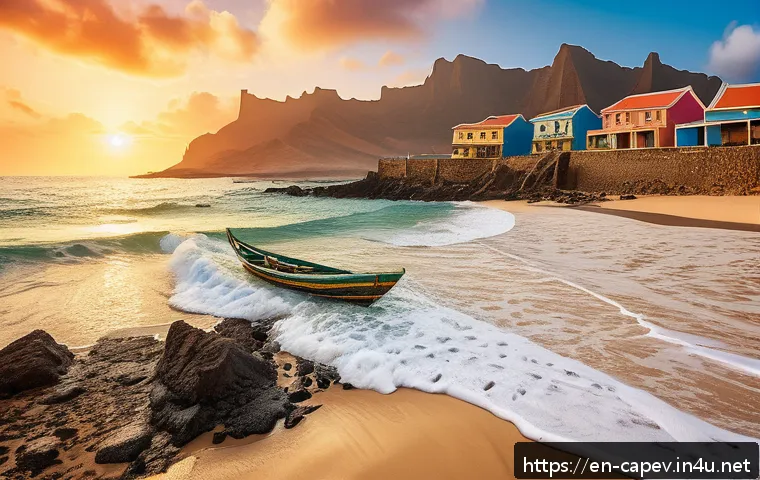
Exploring Cape Verde’s traditional culture offers a fascinating glimpse into the vibrant soul of this island nation. From lively morna music echoing heartfelt stories to colorful festivals that light up the streets, every experience is a window into the islanders’ rich heritage.
Engaging with local crafts, dance, and cuisine reveals the deep connections between history and daily life here. Whether you’re wandering through quaint villages or joining in spirited celebrations, Cape Verde’s culture leaves a lasting impression.
Let’s dive deeper into these unique traditions and uncover what makes them truly special!
The Soul of Cape Verdean Music
Morna: The Heartfelt Melody
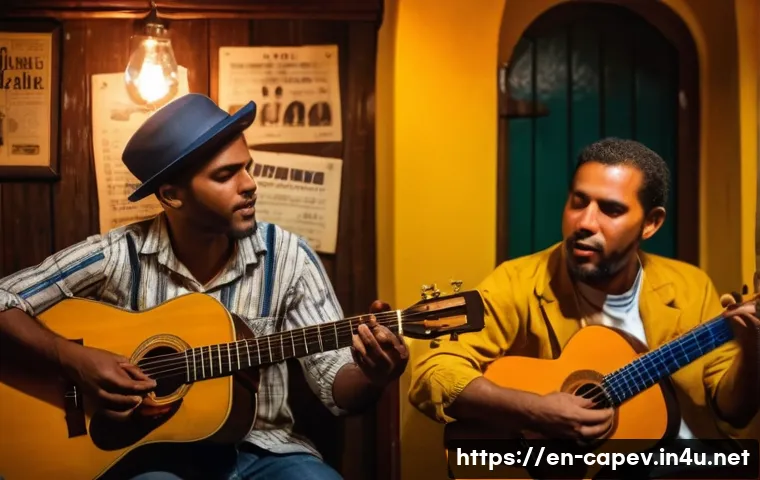
Morna is undoubtedly the most iconic music genre of Cape Verde, often described as the island’s emotional voice. Listening to morna feels like being wrapped in a warm embrace of nostalgia and longing, with lyrics that speak of love, loss, and the sea.
The slow, melancholic rhythm accompanied by soulful guitar and violin creates an atmosphere that’s both intimate and deeply moving. Personally, attending a live morna performance in a small bar on São Vicente island was one of the most unforgettable experiences, as the singer’s voice resonated with the collective memory of generations.
The music isn’t just entertainment; it’s a storytelling tradition that connects the past with the present in a uniquely powerful way.
While morna captures the reflective mood, coladeira and funana bring energy and dance to Cape Verdean culture. Coladeira features faster beats and playful lyrics, often incorporating humor and social commentary.
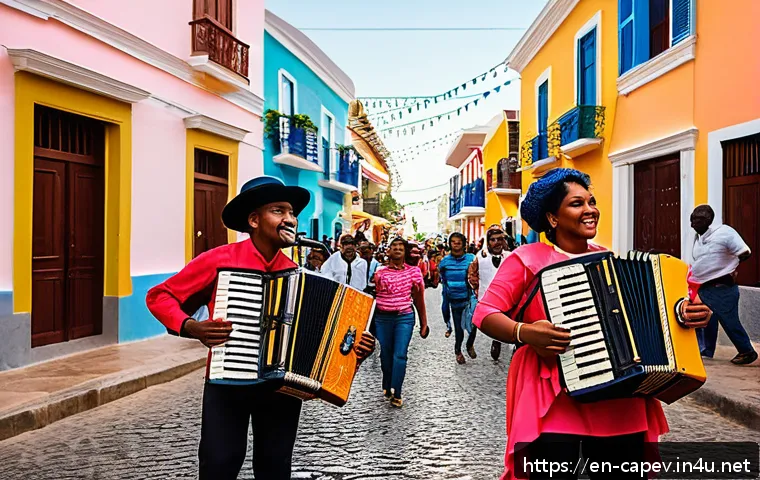
Funana, with its accordion-led melodies and brisk tempo, invites everyone to dance with abandon. These genres are staples at local festivals and gatherings, creating an infectious sense of joy and community.
I remember joining a group of locals at a street party where the funana rhythm was so contagious that even shy visitors couldn’t resist moving their feet.
These lively sounds showcase the diversity and vibrancy of Cape Verde’s musical heritage.
The Role of Music in Daily Life
Music in Cape Verde isn’t confined to concerts or festivals; it permeates daily routines and social interactions. From fishermen singing as they haul nets at dawn to families gathered around radios sharing the latest hits, music is woven into everyday moments.
Many islanders also learn to play instruments at a young age, ensuring the tradition continues. Experiencing this firsthand, I noticed how music serves as both a personal outlet and a communal glue, strengthening bonds and preserving identity amidst modern changes.
Colorful Festivals That Illuminate Island Life
Carnival: A Burst of Color and Culture
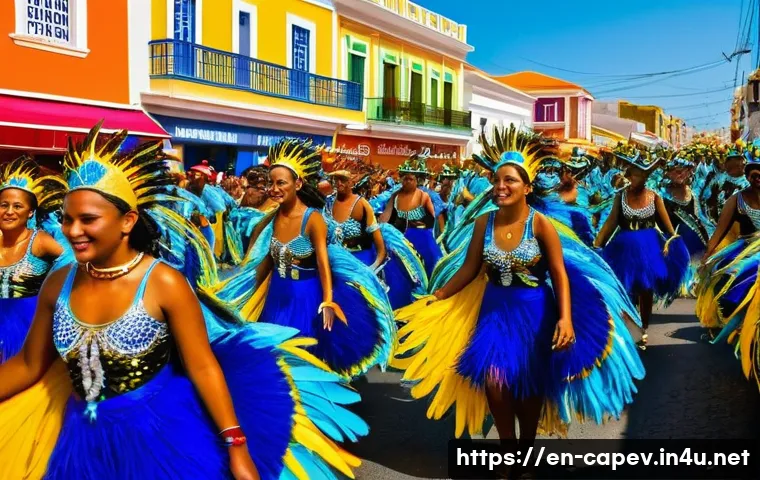
Cape Verde’s Carnival celebrations are a dazzling spectacle of costumes, dance, and music, rivaling those of larger Caribbean and South American countries.
Each island brings its own flair, but the spirit is universally exuberant. Vibrant parades fill the streets, where participants don elaborate outfits inspired by local myths and history.
The energy is palpable, with samba rhythms blending seamlessly with traditional Cape Verdean sounds. Attending Carnival in Mindelo was like stepping into a living mosaic of culture, where every smile and movement told a story of pride and resilience.
Religious Festivals: Blending Faith and Tradition
Religious festivals in Cape Verde often blend Catholic rituals with African heritage, creating unique celebrations that reflect the islands’ diverse roots.
Events like the Feast of Saint John feature processions, music, and communal feasts, showcasing how spirituality and culture intertwine. These festivals provide a window into the values and beliefs that have shaped Cape Verdean society over centuries.
Observing these moments gave me a profound appreciation for how tradition evolves while maintaining its core significance.
Harvest and Fishing Festivals: Honoring the Land and Sea
Given Cape Verde’s reliance on agriculture and fishing, it’s no surprise that many festivals celebrate these vital aspects of life. These events often involve traditional dances, food fairs, and rituals thanking nature for its bounty.
Participating in a fishing festival on the island of Santiago, I was struck by the genuine gratitude and community spirit that pervaded the occasion. Such festivals are not only joyful gatherings but also affirmations of the deep connection between people and their environment.
Craftsmanship: Preserving Heritage Through Hands and Hearts
Traditional Weaving and Textiles
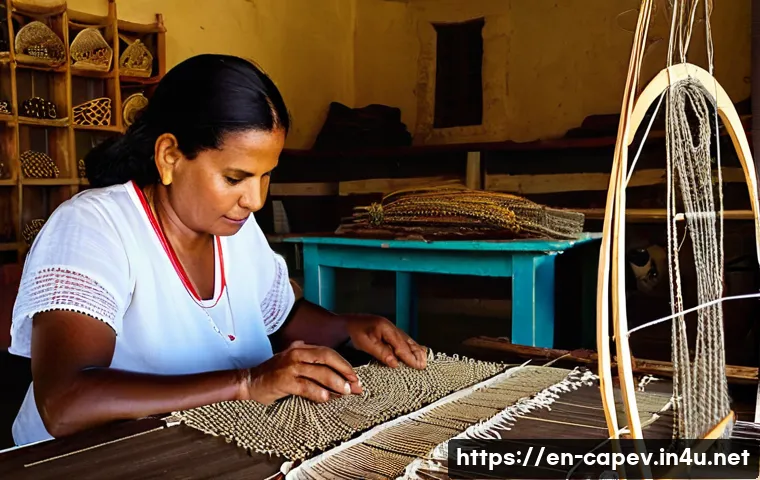
Cape Verdean craftspeople continue to practice weaving techniques passed down through generations, creating vibrant textiles that tell stories through patterns and colors.
These fabrics are more than decorative items; they hold cultural significance and are often used in ceremonies and daily wear. Visiting a local workshop, I was amazed by the meticulous attention to detail and the pride artisans take in their craft.
The process itself, often done on hand-operated looms, reflects a rhythm and patience that mirror island life.
Wood Carving and Sculpture
Wood carving is another cherished tradition, with artisans shaping everything from household objects to intricate statues. These pieces often depict local legends, animals, and everyday scenes, serving both functional and artistic purposes.
I had the chance to watch a master carver at work, and the way he transformed a simple block of wood into a lifelike figure was truly inspiring. These crafts are vital for cultural preservation and provide an authentic souvenir that carries a story.
Jewelry and Beadwork
Jewelry made from natural materials like shells, seeds, and stones holds a special place in Cape Verdean culture. These adornments often symbolize status, heritage, or personal milestones.
The artistry involved requires patience and skill, and many pieces incorporate traditional motifs. Wearing a locally made necklace gifted by a friend during my stay felt like wearing a piece of the island’s spirit itself, a beautiful reminder of connection and identity.
Flavors of Cape Verde: Culinary Traditions That Nourish the Soul
Staples and Signature Dishes
Cape Verdean cuisine is a delightful fusion of African, Portuguese, and Brazilian influences, shaped by the islands’ geography and history. Staples like corn, beans, and fresh seafood form the basis of many meals.
One dish I fell in love with is cachupa, a slow-cooked stew combining corn, beans, fish or meat, and vegetables. It’s comfort food at its finest, often enjoyed during family gatherings.
The balance of flavors and the communal way it’s shared truly embody the warmth of Cape Verdean hospitality.
Street Food and Local Markets
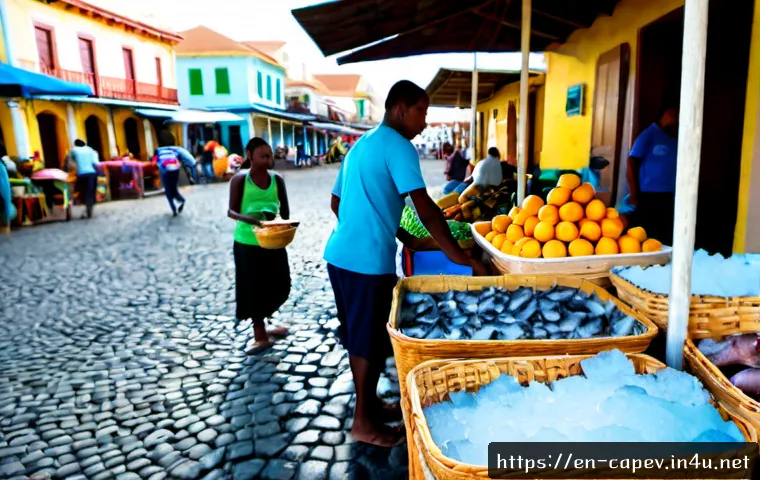
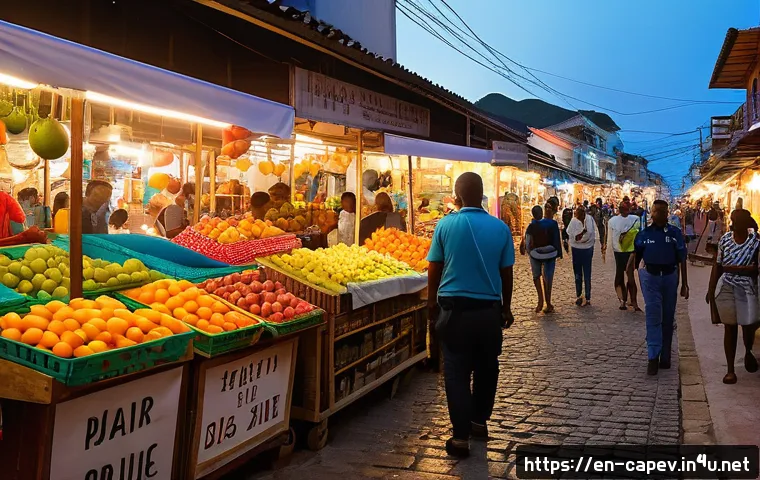
Exploring local markets revealed a treasure trove of snacks and treats that offer a quick but flavorful taste of the islands. From pastel (savory pastries) to grogue (a potent sugarcane spirit), street food is vibrant and accessible.
Sampling these delicacies while chatting with vendors gave me insight into daily life and local preferences. The freshness of ingredients and simplicity of preparation highlight the resourcefulness of Cape Verdean cooks.
Influence of the Sea on Cuisine
Being an island nation, Cape Verde’s cuisine is deeply influenced by the sea. Fish and seafood are abundant and featured prominently in meals, prepared with herbs and spices that enhance their natural flavors.
I vividly recall enjoying grilled limpets and fresh tuna during a seaside dinner, where the ocean breeze added an extra layer of magic. This connection to the sea not only sustains livelihoods but also shapes cultural identity through food.
Dance Traditions That Bring Communities Together
Funana: Dance of the People
Funana is more than just a dance; it’s an expression of Cape Verdean spirit and resilience. Characterized by fast-paced accordion music and lively footwork, it originated among rural communities as a form of resistance and celebration.
Learning some funana steps during a workshop was both challenging and exhilarating, revealing how dance can serve as a powerful social glue. Watching locals perform with infectious enthusiasm made me appreciate the deep cultural significance behind the movements.
Coladeira dance mirrors the upbeat, playful nature of its music counterpart, emphasizing fluid hip movements and rhythmic steps. It’s a common sight at parties and festivals, where both young and old join in.
The dance encourages social interaction and fun, making it a vital part of celebrations. Joining a coladeira circle, I found myself swept up in the carefree energy, feeling a true sense of belonging.
Traditional Ritual Dances
Certain dances are tied to rituals and ceremonies, performed to honor ancestors, mark life milestones, or celebrate harvests. These dances often involve symbolic gestures and costumes, preserving ancient beliefs and customs.
Observing these rituals gave me a window into the spiritual life of Cape Verdeans, where dance becomes a language connecting generations and reinforcing identity.
Everyday Life and Social Customs
Community and Hospitality
Cape Verdeans are known for their warmth and openness, making hospitality a cornerstone of social life. Visitors are often welcomed into homes with generosity, offered food, drink, and stories.
This tradition reflects a deep cultural value of connection and mutual support. Experiencing this firsthand, I felt instantly part of the community, as if boundaries between stranger and friend blurred effortlessly.
Language and Storytelling
While Portuguese is the official language, Cape Verdean Creole is widely spoken and carries much of the cultural nuance. Storytelling in Creole is a cherished art, used to pass down history, morals, and humor.
Sitting with locals around a fire, I was captivated by tales that blended myth and reality, told with expressive gestures and laughter. This oral tradition is a vital thread in the fabric of Cape Verdean identity.
Family and Social Gatherings
Family ties are strong, and social gatherings often revolve around shared meals, music, and dance. These occasions serve as opportunities to reinforce bonds and celebrate life’s milestones.
I attended several family parties where the atmosphere was lively and inclusive, with multiple generations coming together. The sense of belonging and mutual care evident in these moments speaks volumes about the island’s cultural priorities.
| Aspect | Description | Personal Experience |
|---|---|---|
| Morna Music | Slow, melancholic songs expressing longing and history | Attended intimate live performance in São Vicente; felt deep emotional connection |
| Carnival | Colorful parades and costumes celebrating cultural pride | Witnessed vibrant celebrations in Mindelo; immersive cultural mosaic |
| Cachupa | Hearty stew with corn, beans, and seafood or meat | Shared with local family; tasted authentic warmth and tradition |
| Funana Dance | Fast, energetic dance symbolizing resilience | Participated in dance workshop; experienced cultural vitality firsthand |
| Crafts | Weaving, carving, and beadwork preserving heritage | Visited artisan workshop; admired detailed craftsmanship and pride |
Closing Thoughts
Exploring Cape Verde’s rich cultural tapestry reveals a vibrant blend of music, dance, cuisine, and traditions that deeply connect its people to their history and environment. Each experience, from soulful morna melodies to lively festivals, offers a heartfelt glimpse into the islanders’ resilience and warmth. Embracing these moments felt like stepping into a living story, full of pride and enduring spirit.
Useful Information to Keep in Mind
1. Cape Verde’s music genres, especially morna, coladeira, and funana, are not just entertainment but vital expressions of the island’s identity and emotions.
2. Festivals like Carnival and religious celebrations provide immersive cultural experiences that highlight Cape Verde’s unique blend of African and Portuguese influences.
3. Traditional crafts such as weaving, wood carving, and beadwork preserve ancestral skills while offering meaningful souvenirs reflecting local heritage.
4. The cuisine, centered around dishes like cachupa and fresh seafood, embodies the island’s history and connection to the sea, best enjoyed in communal settings.
5. Social customs emphasizing hospitality, storytelling, and family gatherings create a welcoming atmosphere that invites visitors to become part of the community.
Key Takeaways
Understanding Cape Verde’s culture means appreciating how music, dance, food, and crafts serve as living traditions that nurture identity and social bonds. Visitors should embrace the islanders’ warmth and openness, participate in local festivities, and respect the deep-rooted customs that shape everyday life. This holistic approach enriches any journey and fosters a genuine connection with Cape Verde’s soul.
Frequently Asked Questions (FAQ) 📖
Q: What is morna music, and why is it important in Cape Verdean culture?
A: Morna is a traditional music genre of Cape Verde, often described as soulful and melancholic. It combines poetic lyrics with melodies that express themes of longing, love, and the struggles of island life.
Listening to morna is like hearing the heartbeat of Cape Verde’s history and emotions. Personally, when I first heard morna live, I was moved by how deeply it connected people to their roots and stories passed down through generations.
It’s more than music—it’s a living archive of the Cape Verdean spirit.
Q: What are some must-see festivals in Cape Verde that showcase its traditional culture?
A: One of the most vibrant festivals is the Carnival in Mindelo on São Vicente Island, famous for its colorful parades, traditional music, and energetic dances.
Another highlight is the Baía das Gatas Music Festival, which draws both locals and tourists to celebrate Cape Verdean sounds in a stunning beach setting.
Attending these festivals feels like stepping into a joyous celebration of community and heritage. From personal experience, joining the dance and sharing meals with locals at these events creates unforgettable memories and a genuine connection to the culture.
Q: How can visitors best experience Cape Verde’s traditional crafts and cuisine?
A: To truly appreciate Cape Verde’s crafts, visiting local markets and artisan workshops is key. Here, you’ll find beautiful handmade items like woven baskets, pottery, and traditional musical instruments.
Sampling Cape Verdean cuisine is equally essential—dishes like cachupa, a hearty stew, tell stories of the islands’ agricultural roots and cultural fusion.
When I tried cachupa at a family-run eatery, the flavors instantly transported me into the everyday life of Cape Verdeans. Engaging directly with artisans and cooks not only supports the local economy but also enriches your understanding of the island’s vibrant traditions.